

Dark Realism Art: Meaning, Impact, and Collecting
Collectors often find themselves drawn to art that unsettles as much as it fascinates. The pull of dark realism lies in its fusion of intellectual ambition and visual darkness, offering more than just moody atmospheres or Gothic flourishes. This genre builds on centuries of tradition—from European realism and Russian social critique to the shadowy allure of modern Dark Academia—inviting you to engage with works rooted in moral complexity and historical depth. Discover art that prompts both contemplation and conversation.
Table of Contents
- Defining Dark Realism Art And Its Roots
- Key Characteristics And Artistic Techniques
- Major Artists And Influences In Dark Realism
- Ethical Questions And Misconceptions
- Collecting Dark Realism: Tips And Challenges
Key Takeaways
| Point | Details |
|---|---|
| Dark Realism Characteristics | Dark realism art combines intellectual themes with Gothic aesthetics, moral complexity, and existential exploration, challenging viewers emotionally and intellectually. |
| Collecting Strategies | Successful collectors should build relationships with galleries, verify authenticity, and consider display needs to enhance the impact of dark realism pieces. |
| Ethical Considerations | Understanding the ethical implications of dark realism is crucial; it’s essential to discern between representation and glorification of dark themes. |
| Artistic Foundations | Dark realism draws from historical artistic movements while incorporating contemporary perspectives, enhancing its resonance and relevance in today’s art landscape. |
Defining Dark Realism Art and Its Roots
Dark realism art fuses intellectual themes with brooding, mysterious atmospheres that challenge viewers emotionally and intellectually. Unlike traditional realism’s straightforward representation, dark realism layers in Gothic aesthetics, moral ambiguity, and exploration of hidden knowledge. This genre speaks directly to collectors seeking artworks that provoke thought rather than simply decorate.
The movement emerged from multiple cultural currents. Gothic romanticism and classical scholarship form its philosophical backbone, while literary influences—particularly works exploring secret societies and intellectual obsession—shaped its visual language. The aesthetic draws inspiration from centuries of artistic tradition yet feels contemporary and urgent.
Key characteristics define dark realism:
- Intellectual depth woven into visual storytelling, not surface-level darkness
- Classical references anchoring the work in historical and literary traditions
- Moral complexity that resists simple interpretation or comfort
- Gothic visual elements including shadowy palettes, ornate details, and atmospheric tension
- Existential themes examining mortality, knowledge, power, and human nature
The roots run deep. Dark academia aesthetics, which originated online communities celebrating scholarly mystique, heavily influenced contemporary dark realism. Writers like Donna Tartt established the literary template with The Secret History, creating a blueprint for visual artists exploring similar territory. The aesthetic romanticizes intellectual pursuit while simultaneously critiquing academic elitism and institutional secrets.
What separates dark realism from generic “dark art” is specificity. The work engages with real academic, historical, or philosophical concepts rather than abstract darkness. Collectors recognize this distinction immediately—the difference between surface-level gothic imagery and substantive artistic commentary on knowledge, power, and human ambition.
Here’s a comparison of how dark realism differs from traditional realism and generic dark art:
| Aspect | Traditional Realism | Generic Dark Art | Dark Realism |
|---|---|---|---|
| Artistic Intent | Accurate depiction of reality | Focus on disturbing imagery | Intellectual and emotional challenge |
| Subject Matter | Everyday life, nature, portraits | Horror, macabre, fantasy | Knowledge, power, existential themes |
| Visual Style | Natural colors, clear lighting | Dramatic, often exaggerated darkness | Muted colors, rich shadows, gothic tones |
| Audience Engagement | Observation and appreciation | Reaction or shock | Active interpretation, deep thought |
Dark realism merges intellectual rigor with visual darkness, creating work that challenges collectors on multiple levels simultaneously.
The movement reflects a contemporary hunger for art that acknowledges life’s complexities. It appeals to collectors uninterested in optimistic narratives or decorative surfaces. Instead, it demands active interpretation and emotional intelligence from viewers.
Pro tip: When evaluating dark realism pieces, ask yourself whether the darkness serves a conceptual purpose or exists merely for aesthetic effect—true dark realism always carries intellectual weight beneath its visual intensity.
Key Characteristics and Artistic Techniques
Dark realism artists combine precise observation with deliberate emotional intensity. Unlike traditional realism’s focus on objective truth, dark realism weaponizes accuracy—depicting recognizable scenes, objects, and figures with photographic detail while infusing them with psychological weight. This creates an unsettling friction between what we recognize and what we feel.
Core technical approaches define the style:
- Hyperrealistic rendering of mundane or classical subjects with meticulous attention to texture, light, and shadow
- Layered symbolism embedding meaning within photographic accuracy rather than abstraction
- Chiaroscuro mastery using extreme light-dark contrasts to heighten psychological tension
- Extended timescales allowing artists to achieve extraordinary detail and contemplative depth
- Mixed media integration combining traditional painting with photography, charcoal, or printmaking
The technical foundation demands significant skill. Artists spend months or years on single pieces, studying accurate depiction of contemporary subjects to capture every wrinkle, fabric fold, and atmospheric detail. This commitment to accuracy paradoxically makes the darker elements hit harder—viewers recognize the authenticity before the emotional manipulation registers.
Color palettes shift dramatically from traditional realism. Dark realism employs muted tones, desaturated hues, and strategic areas of deep shadow. Gold and burgundy accents occasionally pierce the darkness, creating focal points that demand psychological interpretation. These choices aren’t decorative—they’re narrative devices.
Composition often mirrors classical painting traditions while subverting them. Artists reference Renaissance compositions, baroque arrangements, or academic drawing practices, then corrupt them with contemporary subjects or unsettling emotional content. This collision between historical form and modern darkness creates intellectual friction.
Technical mastery without emotional purpose creates beautiful darkness; true dark realism uses precision as a weapon to make viewers uncomfortable.
The relationship between subject matter and technique matters intensely. A hyperrealistic portrait gains power from its accuracy—every blemish, every shadow beneath the eye becomes significant. An ornate, classical interior painted with obsessive detail becomes a prison. The realism itself becomes complicit in the darkness.
Collectors should recognize that dark realism demands sustained engagement. Quick glances miss layered details and embedded symbolism. Works reward close examination, revealing new meaning with each viewing.
Pro tip: Examine dark realism pieces in person if possible—the technical mastery and layered textures simply don’t translate through digital images, and you’ll miss crucial details about how the artist builds emotional intensity through compositional choices.
Major Artists and Influences in Dark Realism
Dark realism doesn’t emerge from a vacuum. The movement builds directly on centuries of artistic tradition, pulling from 19th-century realism pioneers who first weaponized accuracy as social critique. Understanding these influences helps collectors recognize what makes contemporary dark realism distinctive.
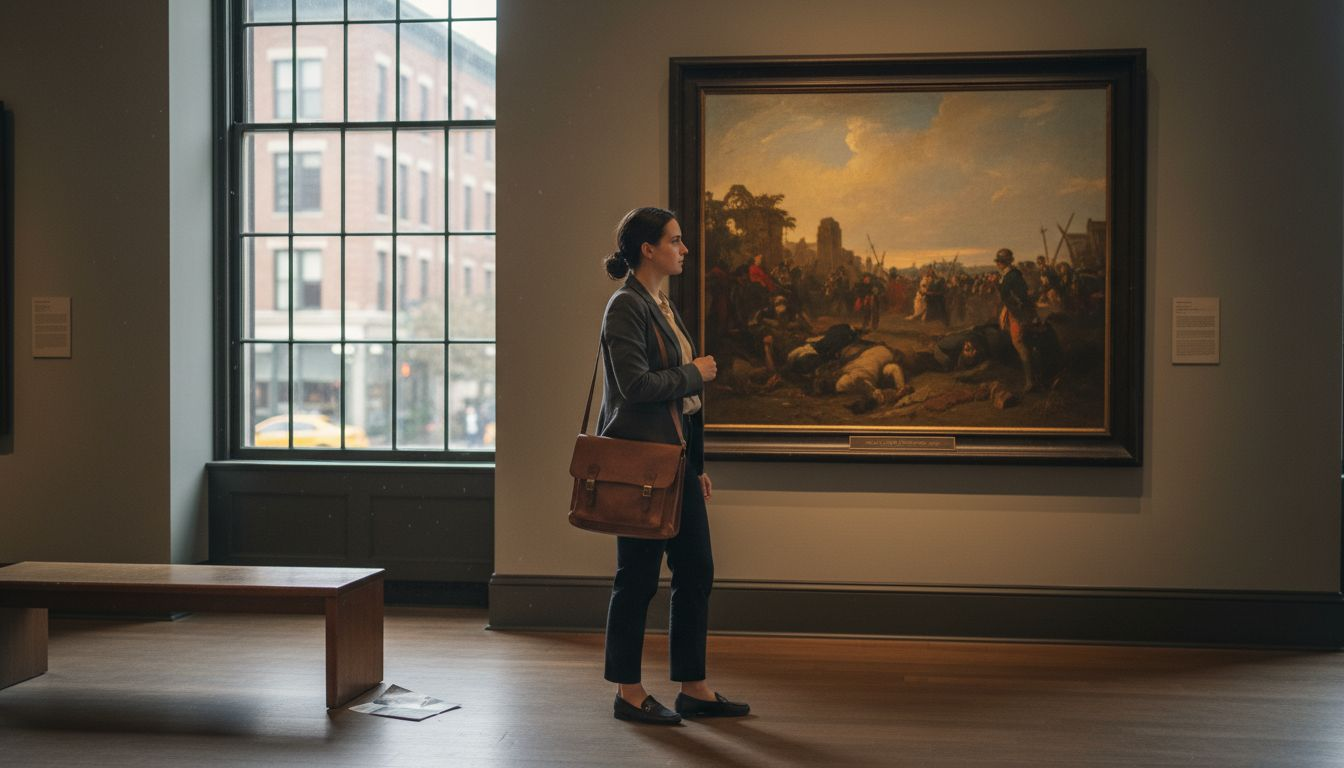
Gustave Courbet, Jean-François Millet, and Ilya Repin established the blueprint—depicting ordinary subjects with unflinching honesty while embedding psychological and social depth. Courbet’s raw depictions of working-class life shocked Victorian sensibilities. Millet’s rural laborers radiated dignity despite their hardship. Repin’s Russian subjects burned with emotional intensity. These artists proved that accurate representation could carry devastating emotional weight.
Contemporary dark realism artists expand this foundation in specific directions:
- Hyperrealist painters obsessing over photographic detail while infusing psychological darkness
- Conceptual practitioners using realism as a vehicle for philosophical inquiry
- Mixed-media creators blending traditional techniques with contemporary materials
- Digital-age realists leveraging photography and digital tools alongside traditional painting
- Installation artists creating immersive dark realist environments
The shift from 19th-century realism to dark realism involves a crucial pivot. Classical realists sought truth; dark realists acknowledge that truth is often disturbing. Where Courbet painted workers with dignity, contemporary dark realists might paint those same subjects consumed by anxiety, isolation, or existential dread.
Literary influences matter equally. Donna Tartt’s The Secret History fundamentally shaped how visual artists approach dark academia themes. Contemporary dark realism often mirrors the novel’s structure—classical beauty concealing moral corruption, intellectual pursuit masking psychological damage.
Dark realism evolved when artists realized that accurate representation of darkness carries more weight than abstracted darkness ever could.
Female artists particularly strengthen the contemporary field. Where historical realism centered male experience, modern dark realism welcomes diverse perspectives exploring identity, power, trauma, and resistance. This expansion creates new visual languages within the realist tradition.
Collectors benefit from recognizing these lineages. A dark realist piece gains resonance when you understand it builds on centuries of artistic rebellion—first against romantic idealism, now against contemporary complacency.
Pro tip: Research an artist’s influences before purchasing—understanding whether they’re drawing from classical realism, contemporary dark academia, or psychological expressionism will deepen your appreciation and help you build a more cohesive collection.
Ethical Questions and Misconceptions
Dark realism provokes legitimate questions. Is depicting darkness exploitative? Does creating disturbing imagery glorify harm? These concerns deserve serious engagement, not dismissal. Collectors and artists both benefit from understanding the ethical landscape.
The core ethical tension centers on representation versus glorification. A dark realist painting of psychological suffering doesn’t automatically endorse suffering—yet viewers often struggle with this distinction. Understanding how moral evaluation applies to art requires considering socio-historical context and recognizing that contemporary moral frameworks may differ from an artwork’s creation period.
Common misconceptions about dark realism clarity emerges through direct examination:
- “Dark realism celebrates darkness” — Actually, it interrogates darkness, forcing viewers to confront difficult realities rather than escape them
- “It’s just shock value” — Genuine dark realism marries visual intensity with conceptual depth; surface provocation alone lacks substance
- “Only disturbed people create or collect it” — Intelligent engagement with darkness reflects emotional maturity, not pathology
- “It’s automatically unethical” — Context, intention, and artistic rigor determine ethics, not subject matter alone
- “It exploits vulnerable subjects” — Ethical dark realism treats difficult subjects with dignity, not sensationalism
The ethics of representation itself requires unpacking. Questions about truthful depiction versus artistic subjectivity shape ongoing discourse about how realism engages with moral realities. Dark realism artists face genuine responsibility—they’re using precision and technical mastery to shape viewers’ emotional responses. That power demands accountability.
Responsible dark realism distinguishes itself through clarity. Does the artist treat their subjects with dignity? Is there intellectual purpose behind visual darkness? Does the work generate conversation rather than merely provoke discomfort?
Ethical dark realism respects viewers enough to disturb them thoughtfully, not manipulate them carelessly.
Collectors should interrogate their own motivations. Are you drawn to the conceptual depth or merely the surface shock? Does the work challenge your thinking or simply confirm existing darkness biases? Honest self-examination separates genuine collecting from mere consumption of transgression.
Misconceptions often arise from unfamiliarity. Dark realism exists within established artistic traditions, not as adolescent rebellion. Understanding this context transforms how you evaluate both the ethics and quality of individual pieces.
Pro tip: Before purchasing, research the artist’s statement and exhibition context—understanding their intention and how the work has been received critically helps you determine whether the darkness serves intellectual purpose or relies on shock value alone.
Collecting Dark Realism: Tips and Challenges
Collecting dark realism demands more intentionality than casual art purchasing. These works require space—both physical and emotional—within your collection and home. Understanding the practical and psychological dimensions separates successful collectors from frustrated ones.
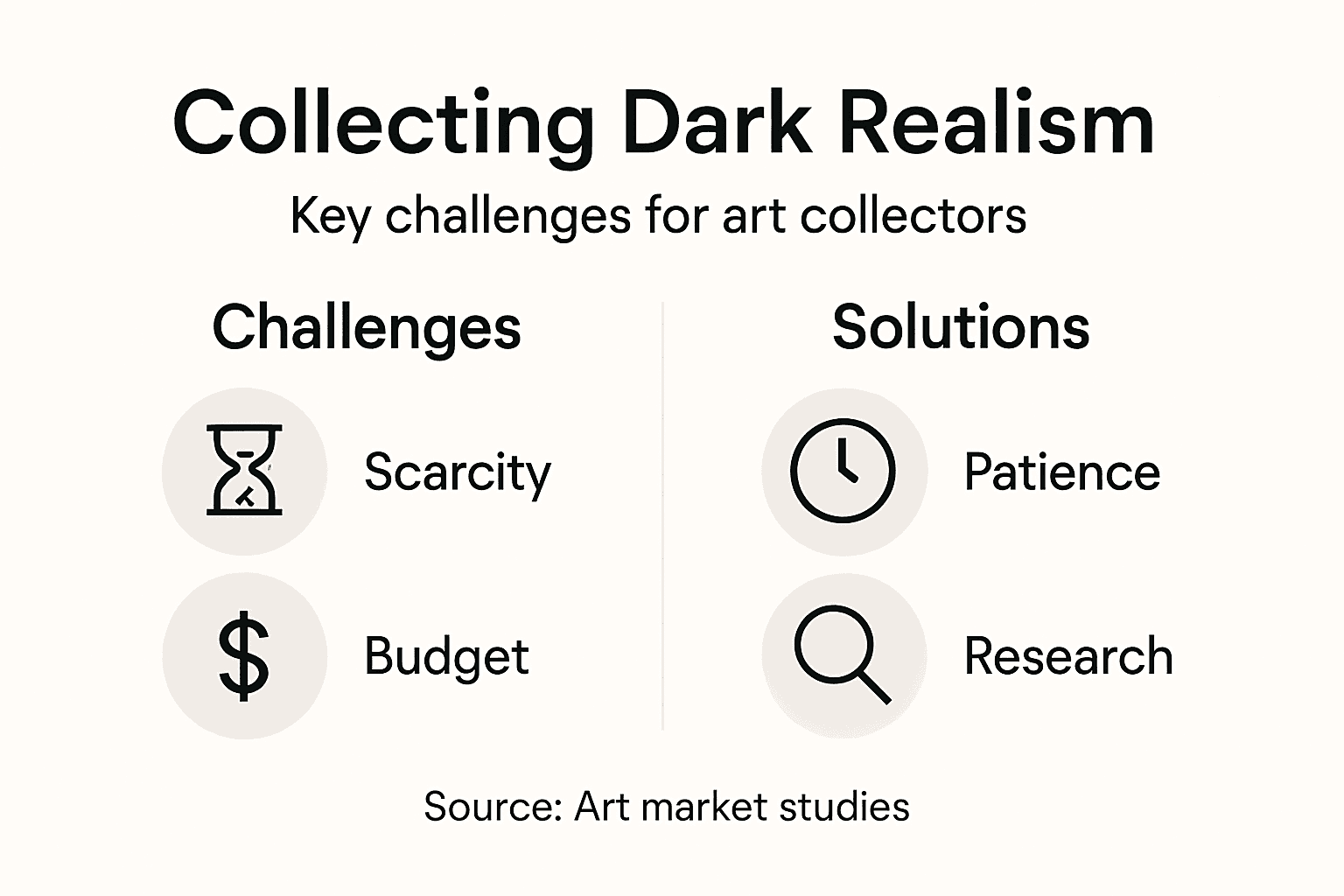
The primary challenge is scarcity. Dark realism artists often work slowly, producing limited pieces annually. Waiting lists stretch months or years. Building relationships with galleries and following artist announcements becomes essential. This isn’t impulse collecting; it requires patience and commitment.
Authenticity verification matters intensely. Dark realism’s technical mastery makes forgery possible, yet the market remains relatively small. Work with established galleries, request documentation, and understand an artist’s exhibition history before committing significant funds. Provenance creates value and protects your investment.
Practical collecting strategies include:
- Start with emerging artists whose work you genuinely connect with rather than chasing established names solely for investment potential
- Develop relationships with galleries specializing in dark realism—they alert collectors to new acquisitions before public announcement
- Attend studio visits when possible—seeing works in-progress and understanding artist intention deepens appreciation
- Document your collection with high-quality photographs and detailed notes about each piece’s context and meaning
- Consider display challenges before purchasing—dark realism often requires specific lighting and wall colors for proper impact
- Join collector communities online and offline to share knowledge, attend group exhibitions, and build networks
Storage and preservation present real concerns. Dark art themes often explore vulnerable subjects requiring thoughtful display practices. Climate control, UV-protective framing, and careful placement away from direct sunlight protect your investment’s physical integrity.
The greatest collecting mistake is purchasing dark realism for shock value rather than substantive engagement—regret follows quickly.
Budget reality demands honesty. Original dark realist paintings range from $5,000 to $500,000-plus depending on artist reputation and piece scale. Limited-edition prints and artworks through platforms like The Mansion Press offer accessible entry points without compromising quality or conceptual depth.
Emotional sustainability matters. Living with dark realism means existing alongside imagery that challenges, disturbs, and provokes. Some collectors thrive in this environment; others find the psychological weight overwhelming. Test your comfort level before major purchases.
Market volatility exists but remains manageable compared to speculative contemporary art. Dark realism values stability over hype, meaning careful collectors can build meaningful collections without chasing trends.
The following table summarizes practical challenges and considerations for collectors of dark realism art:
| Challenge | Collector Action | Importance |
|---|---|---|
| Scarcity of art | Build gallery relationships | Secures early access to works |
| Authenticity | Request artist provenance | Prevents costly acquisitions |
| Display needs | Plan lighting and placement | Enhances visual impact |
| Emotional impact | Assess personal comfort | Ensures collection enjoyment |
Pro tip: Start by collecting works by artists whose practice and philosophy genuinely align with your own values rather than focusing on investment potential—passion-driven collections appreciate more reliably and bring lasting satisfaction than speculative purchases.
Elevate Your Dark Realism Collection with Exclusive Art and Editions
Navigating the complexities of dark realism art requires more than a casual glance. You seek pieces that not only display technical mastery but also carry intellectual depth and emotional intensity. At The Mansion Press, we understand how crucial it is to find authentic works that challenge and provoke thought, not just decorate walls. Whether you want hyperrealistic paintings, limited-edition artbooks, or curated collector’s editions, our platform offers access to artists who share your passion for meaningful, atmospheric art.
Unlock the potential to own exceptional artworks and immersive publications that enrich your understanding and enjoyment of dark realism. Explore our carefully selected products and support independent artists who embody the genre’s ethos. Start your journey today with The Mansion Press and discover unique treasures designed to deepen your connection with the artform. Visit The Mansion Press now to browse original artworks and exclusive editions that resonate with your intellectual and aesthetic standards.
Frequently Asked Questions
What is dark realism art?
Dark realism art blends intellectual themes with brooding atmospheres, often exploring moral ambiguity, hidden knowledge, and existential questions, which challenges viewers emotionally and intellectually.
How does dark realism differ from traditional realism and generic dark art?
Unlike traditional realism, which focuses on accurate depictions of everyday life, dark realism emphasizes intellectual depth and emotional challenges, while generic dark art typically relies on shock value without substantive commentary.
What are the key characteristics of dark realism art?
Key characteristics include hyperrealistic rendering, layered symbolism, mastery of chiaroscuro, muted color palettes, and the exploration of complex themes such as knowledge, power, and human nature.
What skills are required for creating dark realism art?
Artists need to master hyperrealistic techniques, layered symbolism, chiaroscuro for psychological tension, and advanced mixed media methods, requiring significant time and skill to achieve the desired emotional impact.
Recommended
- Dark Expressionism Art: Emotional Impact for Collectors – The Mansion Press
- Dark Art Themes: Impact on Modern Art Collecting – The Mansion Press
- Dark Art Movements: Impact on Contemporary Collecting – The Mansion Press
- Dark Expressionism Art: Power and Emotional Depth – The Mansion Press
- Retro Look Meaning: Icons, Appeal, and Fashion Impact