

Dark Art Movements: Impact on Contemporary Collecting
Most advice about dark art overlooks one crucial point: nearly half of American collectors seek works that challenge their perceptions and provoke deeper thought. As dark art movements surge in popularity, misconceptions continue to obscure their true cultural and psychological significance. For art collectors and comic enthusiasts seeking authentic, limited-edition pieces, understanding the nuanced intentions behind these movements uncovers a meaningful path toward discovering powerful, boundary-pushing works from independent voices.
Table of Contents
- Defining Dark Art Movements And Misconceptions
- Major Styles And Influential Artists
- Recurring Themes And Visual Motifs
- Collecting, Authentication, And Market Trends
- Legal And Ethical Issues In Dark Art
Key Takeaways
| Point | Details |
|---|---|
| Understanding Dark Art | Dark art transcends traditional artistic boundaries, exploring themes of vulnerability and existential struggle through provocative visual expression. |
| Debunking Misconceptions | Many misunderstand dark art as merely shocking, failing to recognize its deep philosophical and psychological meanings. |
| Collecting Insights | Art collectors should research the conceptual backgrounds and historical contexts of dark art pieces for informed investments. |
| Legal & Ethical Considerations | Artists and collectors must navigate complex legal and ethical issues surrounding provocative imagery and societal representations. |
Defining Dark Art Movements and Misconceptions
Dark art represents a complex artistic genre that challenges societal norms through provocative visual expression. Beyond simple shock value, these movements engage deeply with psychological landscapes, exploring themes of human vulnerability, existential struggle, and cultural taboos. Artists within this realm intentionally disrupt conventional aesthetic boundaries, creating works that force viewers to confront uncomfortable emotional territories.
The essence of dark art lies in its ability to transgress traditional artistic boundaries, pushing viewers beyond their comfort zones. These artistic movements deliberately employ techniques that provoke strong emotional reactions, utilizing imagery that confronts societal expectations and moral constraints. Unlike mainstream art forms that seek aesthetic pleasure, dark art aims to elicit visceral responses through raw, unfiltered representations of human experience.
Misconceptions about dark art frequently emerge from surface-level interpretations. Many people mistakenly view these artistic expressions as mere attempts to shock or disturb, overlooking the profound philosophical and psychological depth underlying such works. In reality, dark art serves as a critical lens for examining complex human emotions, societal tensions, and individual psychological landscapes. Artists within these movements often use symbolism, surrealistic elements, and metaphorical representations to communicate nuanced perspectives on human experience.
Pro Tip for Art Collectors: Research the conceptual background of dark art pieces before purchasing, understanding that their value extends far beyond initial visual impact into deeper narrative and emotional territories.
Major Styles and Influential Artists
Dark art encompasses multiple intricate styles that challenge conventional artistic representation, each offering unique perspectives on human psychological landscapes. From symbolist movements to surrealist explorations, these artistic approaches share a fundamental commitment to revealing uncomfortable truths about human experience through provocative visual language.
One pivotal movement emerged through the Salon de la Rose + Croix, which hosted avant-garde Symbolist painters and composers in 1890s Paris. This groundbreaking collective emphasized mystical and esoteric themes, significantly influencing dark art’s trajectory by exploring occult and macabre aesthetic territories. Artists like Félicien Rops became instrumental in pushing artistic boundaries, with symbolist painting techniques that delved into provocative themes of perversity, supernatural imagery, and complex emotional landscapes.

Contemporary dark art movements continue to build upon these historical foundations, incorporating digital media, graphic novel aesthetics, and multimedia approaches. Artists like HR Giger, Zdzisław Beksiński, and Dave McKean have expanded the genre’s visual vocabulary, creating works that blur boundaries between nightmare and reality. These creators utilize surrealistic elements, psychological symbolism, and visceral imagery to communicate profound emotional and philosophical narratives that challenge viewers’ perceptual comfort zones.
Pro Tip for Art Collectors: Develop a nuanced understanding of dark art’s historical context, recognizing that each piece represents a complex dialogue between artistic expression and psychological exploration.
Here is a summary comparing major dark art movements and notable artists:
| Movement/Style | Time Period | Notable Artists | Distinctive Characteristics |
|---|---|---|---|
| Symbolism | Late 19th century | Félicien Rops | Mystical, esoteric, macabre |
| Surrealism | 1920s onward | Zdzisław Beksiński | Dreamlike, psychological motifs |
| Contemporary Digital Dark | 1990s–present | HR Giger, Dave McKean | Digital tools, hybrid aesthetics |
| Expressionism | Early 20th century | Francis Bacon | Emotional distortion, raw forms |
Recurring Themes and Visual Motifs
Dark art represents a profound visual language that communicates complex psychological narratives through strategic symbolic representations. Artists within this genre consistently explore themes of human vulnerability, existential dread, mortality, and the intricate boundaries between consciousness and unconsciousness, using visual strategies that challenge viewers’ perceptual comfort zones.
Technical approaches in dark art often leverage dramatic visual techniques to amplify emotional resonance. Tenebrism, a painting technique characterized by extreme light and dark contrasts, becomes a powerful metaphorical tool for representing psychological states. This method allows artists to create emotionally charged compositions that highlight themes of mystery, isolation, and the macabre, transforming visual contrast into a narrative mechanism for exploring deeper human experiences.
Recurring visual motifs in dark art frequently include symbolic representations of transformation, decay, and psychological fragmentation. Skeletal imagery, distorted human forms, surreal landscape compositions, and metaphorical representations of internal emotional landscapes emerge as consistent elements. Artists like Francis Bacon, HR Giger, and Zdzisław Beksiński have masterfully employed these motifs to deconstruct traditional representational boundaries, creating works that blur distinctions between physical reality and psychological perception. Such visual strategies invite viewers to confront uncomfortable psychological territories, challenging established perceptual frameworks.
Pro Tip for Art Collectors: Develop visual literacy by studying the symbolic language of dark art, recognizing that each recurring motif represents a nuanced psychological exploration rather than mere aesthetic provocation.
Below is a reference table outlining core visual motifs and their psychological symbolism in dark art:
| Visual Motif | Psychological Symbolism | Common Artistic Usage |
|---|---|---|
| Skeletal figures | Mortality, impermanence | Emphasizes death themes |
| Distorted landscapes | Emotional turmoil | Reflects inner chaos |
| Metamorphosis imagery | Change, transformation | Represents psychological shifts |
| Tenebrism (light/dark) | Internal conflict, duality | Creates tension and depth |
Collecting, Authentication, and Market Trends
Dark art collecting represents a complex ecosystem where artistic appreciation intersects with financial investment and cultural preservation. Serious collectors must navigate intricate landscapes of provenance, authentication, and market valuation, understanding that these artworks transcend traditional aesthetic boundaries and serve as profound psychological artifacts.
Authentication in dark art requires specialized expertise, as the genre’s unique characteristics demand nuanced evaluation methods. Collectors interested in limited edition works must develop sophisticated strategies for verifying artwork origins, assessing condition, and understanding historical context. Experts typically examine multiple factors including artist signature verification, material composition, historical documentation, and stylistic consistency unique to specific dark art movements.
Market trends in dark art have experienced significant transformation over the past decade, with growing collector interest driving increased valuation for works by pioneering artists like HR Giger, Zdzisław Beksiński, and Francis Bacon. Emerging digital platforms and specialized auction houses have expanded market accessibility, allowing global collectors to engage with rare and provocative pieces. Contemporary dark art increasingly attracts investors who recognize these works not merely as aesthetic objects, but as complex cultural commentaries that challenge perceptual boundaries and explore profound psychological landscapes.
Pro Tip for Art Collectors: Build relationships with specialized dark art authenticators and maintain comprehensive documentation for each acquired piece, recognizing that provenance and condition are critical factors in long-term artistic and financial value.
Legal and Ethical Issues in Dark Art
Dark art exists in a complex legal and ethical landscape, challenging societal boundaries through provocative visual expression that frequently confronts institutional norms and moral conventions. Artists working within this genre navigate intricate territories of creative freedom, potential censorship, and the delicate balance between artistic integrity and social responsibility.

Transgressive art often challenges societal norms, creating significant potential for legal and ethical debates surrounding artistic representation. Creators must carefully consider the potential consequences of their work, understanding that visual provocations can trigger complex legal challenges related to obscenity laws, intellectual property rights, and cultural sensitivities. Many dark art pieces intentionally push against established legal frameworks, forcing audiences and institutions to confront uncomfortable psychological and social narratives.
Ethical considerations in dark art extend beyond legal parameters, encompassing deeper questions about artistic representation, consent, and the psychological impact of provocative imagery. Artists must balance their creative vision with responsible representation, particularly when addressing sensitive themes like trauma, sexuality, or social critique. Contemporary dark art collectors and institutions increasingly recognize the importance of contextual understanding, supporting works that provide nuanced social commentary rather than mere shock value. This approach requires sophisticated engagement with artistic intent, cultural context, and the potential broader societal implications of challenging visual narratives.
Pro Tip for Art Collectors: Develop a comprehensive understanding of the legal and ethical contexts surrounding dark art pieces, consulting with legal experts and cultural historians to ensure responsible and informed collecting practices.
Embrace the Depth of Dark Art Collecting Today
Navigating the intricate world of dark art requires more than just appreciation it demands a deep understanding of its psychological themes and market complexities. If you are seeking exclusive artbooks comics and limited editions that explore the provocative narratives and symbolic richness highlighted in “Dark Art Movements Impact on Contemporary Collecting” then The Mansion Press is your ideal destination. Our curated selection connects collectors with visionary independent artists offering authentic pieces that reflect intense emotional depth and transgressive creativity.
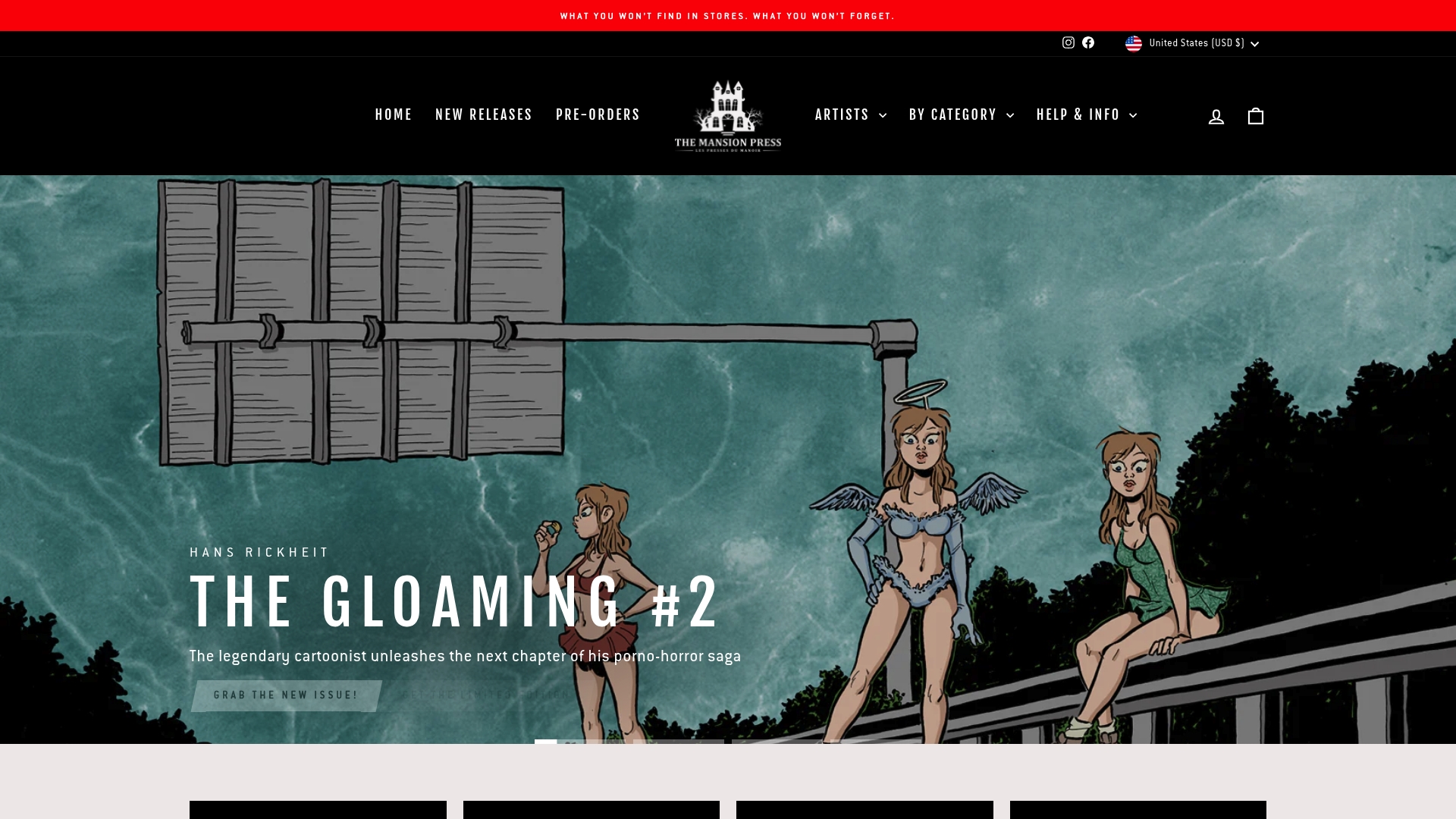
Discover rare collector’s editions and original artworks designed to challenge perceptions and enrich your collection while ensuring provenance and artistic integrity. Act now to browse our unique offerings and stay ahead with upcoming releases by visiting The Mansion Press. Unlock the transformative power of dark art through exclusive collaborations and start building your profound collection today.
Frequently Asked Questions
What is dark art?
Dark art refers to a complex artistic genre that challenges societal norms through provocative visual expression, exploring themes of human vulnerability, existential struggle, and cultural taboos.
How do dark art movements influence contemporary art collecting?
Dark art movements contribute to contemporary collecting by encouraging collectors to appreciate not just the aesthetic qualities of artworks, but their deeper narratives and psychological explorations, which can significantly increase a piece’s value.
What are some key themes found in dark art?
Key themes in dark art include human vulnerability, existential dread, mortality, and the exploration of psychological landscapes, often depicted through recurring visual motifs such as skeletal imagery and twisted landscapes.
How can collectors authenticate dark art pieces?
Collectors can authenticate dark art by developing expertise in the unique characteristics of the genre, examining artist signatures, material composition, historical documentation, and stylistic consistency to ensure provenance and condition.