

Dark Art Themes: Impact on Modern Art Collecting
Most advice about American dark art gets it wrong. Rather than mere shock or graphic content, dark art uncovers layers of psychological meaning and invites reflection on the human experience. With over 60 percent of American artists citing psychological exploration as their primary creative drive, this complex movement sparks dialogue and challenges stereotypes. In this guide, you will discover what truly defines dark art, clear up common misconceptions, and see how these themes emerge across American creative genres.
Table of Contents
- Defining Dark Art Themes And Misconceptions
- Types Of Dark Art Across Genres And Media
- Symbolism And Psychological Impact In Dark Art
- Navigating Censorship And Legal Boundaries Worldwide
- Collecting And Showcasing Dark Art Responsibly
Key Takeaways
| Point | Details |
|---|---|
| Complex Nature of Dark Art | Dark art transcends graphic imagery, exploring deep psychological themes and emotional landscapes that invite introspection. |
| Symbolism as Communication | Visual metaphors in dark art serve as powerful tools for expressing complex human experiences beyond surface-level interpretations. |
| Navigating Censorship | Artists must understand the legal frameworks around dark art, balancing creative expression with societal norms and potential pushback. |
| Responsible Collecting Practices | Collectors should ethically curate dark art by providing context and emotional sensitivity to facilitate deeper audience engagement. |
Defining Dark Art Themes and Misconceptions
Dark art represents a complex artistic movement characterized by themes exploring psychological shadows, emotional depth, and provocative visual narratives that challenge conventional aesthetic boundaries. While often misunderstood as merely graphic or disturbing imagery, dark art actually encompasses nuanced psychological explorations that reveal profound human experiences through unconventional artistic expression.
Understanding dark art requires recognizing its multifaceted nature beyond surface-level interpretations. Systematic research on dark narrative consumption reveals these artistic expressions frequently serve as sophisticated mechanisms for exploring complex emotional landscapes. Artists working within dark art themes intentionally subvert traditional aesthetic expectations, using visual metaphors and symbolic representations to communicate deep psychological insights about human vulnerability, trauma, transformation, and existential questioning.
Common misconceptions about dark art often stem from superficial assumptions that equate darkness with negativity or graphic violence. However, true dark art transcends shock value, functioning instead as a profound medium for introspection and emotional catharsis. Artists strategically employ shadowy imagery, surreal compositions, and emotionally charged symbolism to create immersive experiences that challenge viewers’ perceptual comfort zones and invite deeper contemplation about human complexity.
Pro Artist Insight: When exploring dark art, approach each piece with emotional openness and intellectual curiosity, recognizing that seemingly uncomfortable imagery often conceals profound narratives of human resilience and psychological transformation.
Types of Dark Art Across Genres and Media
Dark art emerges across multiple creative mediums, each offering unique perspectives on psychological and emotional exploration. From graphic novels to visual arts, these genres share a common thread of challenging conventional narrative and aesthetic boundaries, creating immersive experiences that provoke deep introspection and emotional response.
Transgressive art forms represent a critical dimension of dark artistic expression, intentionally pushing against societal norms to generate profound audience reactions. These artistic works span diverse media including film, visual arts, literature, and performance, strategically utilizing shock, discomfort, and provocative imagery to deconstruct established cultural narratives and expose underlying psychological tensions.
Specialized Dark Art Genres include multiple compelling variations. Black horror exemplifies how dark art can function as a powerful social commentary, utilizing horror elements to explore complex racial experiences and systemic challenges. Other significant genres include gothic illustration, surrealist photography, dystopian graphic novels, and experimental digital art that blend psychological symbolism with unsettling visual landscapes.
Modern dark art transcends simple categorization, representing a dynamic, multifaceted approach to artistic expression that continually evolves with cultural shifts and technological innovations. Artists working in these genres leverage sophisticated visual languages to communicate complex emotional and philosophical narratives, inviting audiences to confront uncomfortable truths about human experience.
Pro Artist Insight: Explore dark art genres with an open mind, recognizing each piece as a nuanced emotional journey rather than a mere aesthetic experience.
Here’s a glance at how major dark art genres differ in focus and artistic approach:
| Genre | Central Focus | Typical Medium | Artistic Approach |
|---|---|---|---|
| Black Horror | Racial experiences, horror | Film, literature | Social commentary via fear |
| Gothic Illustration | Melancholy, decay, romance | Painting, illustration | Ornate, symbolic, atmospheric |
| Surrealist Photography | Subconscious, dream states | Photography | Blurred reality, visual puzzles |
| Dystopian Graphic Novels | Societal critique, oppression | Comics, digital | Stark, narrative-driven visuals |
| Experimental Digital Art | Technology, transformation | Digital installations | Blended techniques, disruptive |
Symbolism and Psychological Impact in Dark Art
Symbolism in dark art functions as a powerful psychological language, transcending literal representation to communicate complex emotional and subconscious experiences. Artists strategically deploy visual metaphors that penetrate deeper than surface-level imagery, creating immersive narratives that challenge viewers’ perceptual boundaries and emotional comfort zones.

Symbolism in dark artistic expressions reveals intricate psychological mechanisms, utilizing carefully constructed visual elements to evoke profound emotional responses. By incorporating symbolic representations that tap into collective unconscious fears and hidden desires, artists create transformative experiences that compel audiences to confront uncomfortable psychological terrain.
The psychological tension inherent in dark art emerges from its deliberate use of grotesque and uncanny visual elements, which systematically disrupt viewers’ expectations and challenge normative perceptions. These artistic strategies intentionally destabilize traditional aesthetic boundaries, forcing audiences to engage with imagery that simultaneously attracts and repels, revealing complex psychological landscapes of human experience.
Modern dark art symbolism operates as a nuanced form of psychological communication, where each visual element serves as a carefully constructed emotional trigger. Artists leverage symbolic language to explore themes of vulnerability, transformation, existential anxiety, and the complex spectrum of human emotional experience, inviting viewers into profound introspective journeys.
Pro Artist Insight: Develop symbolic literacy by studying the multilayered meanings within dark art, recognizing that each visual element carries potential for deep psychological interpretation.
Navigating Censorship and Legal Boundaries Worldwide
Censorship in dark art represents a complex legal and cultural landscape where artistic expression continually challenges societal boundaries. Artists must skillfully navigate intricate legal frameworks that often struggle to distinguish between provocative artistic commentary and potentially offensive content, creating an ongoing dialogue about creative freedom and social responsibility.
Historical studies of design boundaries reveal the nuanced challenges artists encounter when pushing creative limits. Legal scholars and regulators consistently grapple with defining precise boundaries between artistic expression and potentially harmful content, recognizing that dark art frequently serves as a critical mechanism for social critique and psychological exploration.
The legal complexities surrounding dark art stem from varied cultural interpretations and shifting societal standards. Academic research on design boundaries highlights the critical need for comprehensive theoretical frameworks that can adequately address the sophisticated ways artists challenge normative expectations. Different regions maintain dramatically different standards, with some cultures embracing provocative artistic expressions while others impose stringent restrictions that can significantly limit creative exploration.
Modern dark art creators must develop sophisticated strategies for navigating these complex legal landscapes, understanding that artistic intent, cultural context, and audience perception all play crucial roles in determining potential legal or social repercussions. Successful artists learn to communicate challenging ideas while maintaining strategic awareness of potential institutional or cultural pushback.
Pro Artist Insight: Always document your artistic process and conceptual framework, as clear intellectual documentation can provide critical legal protection when addressing controversial artistic themes.
Collecting and Showcasing Dark Art Responsibly
Collecting dark art requires a nuanced approach that balances artistic appreciation with ethical considerations and emotional intelligence. Responsible collectors understand that these artworks represent complex psychological narratives, demanding thoughtful curation and sensitive presentation that respects both the artist’s vision and potential audience reactions.
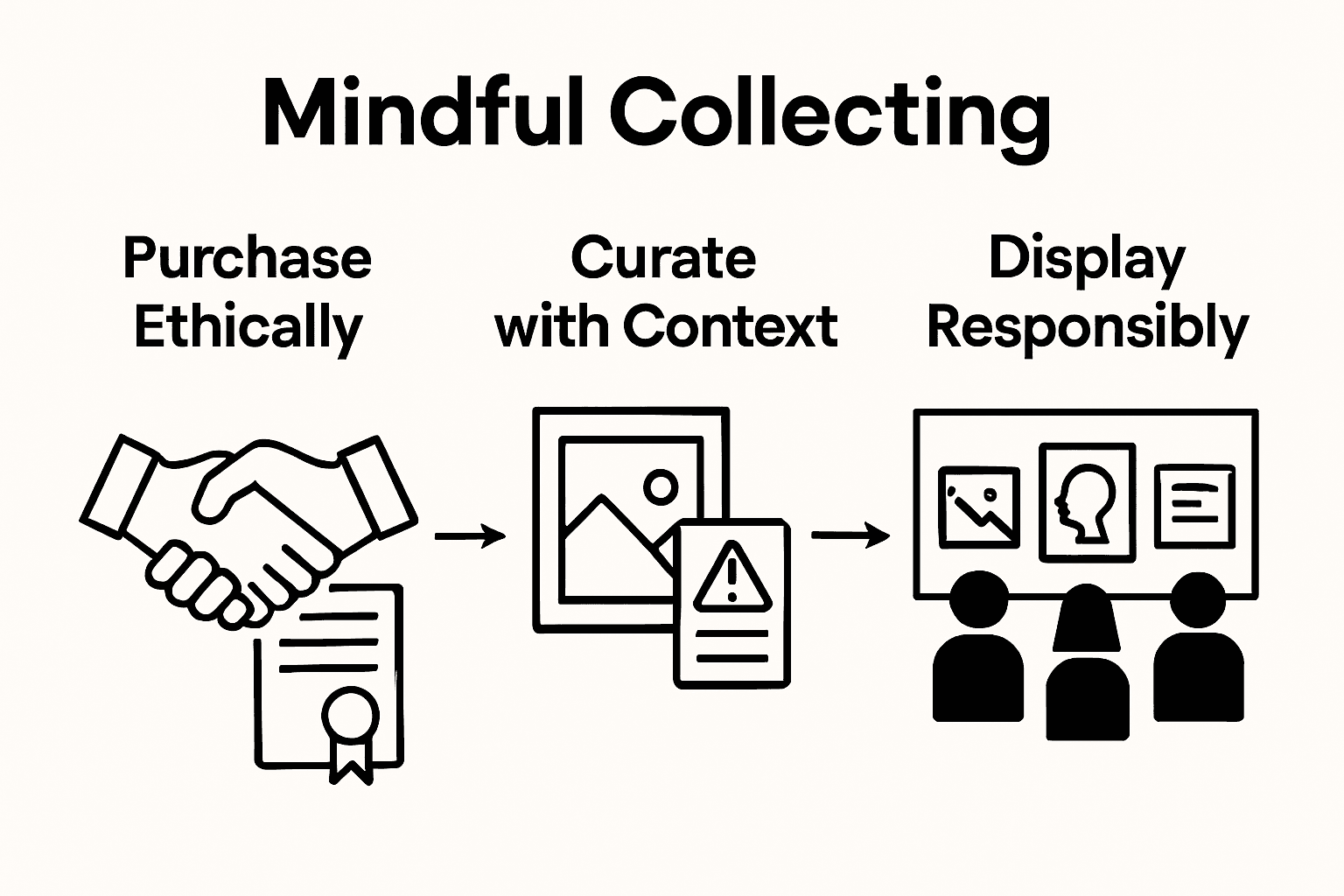
Curating art collections involves strategic decision making that goes beyond aesthetic selection. Serious collectors must consider the potential emotional impact of dark art pieces, understanding that these works often explore challenging psychological territories that can provoke intense viewer responses. This requires developing a sophisticated framework for selecting, displaying, and contextualizing artwork that honors its profound communicative potential.
The ethical dimensions of dark art collecting extend beyond mere acquisition. Collectors play a critical role in creating supportive environments that allow artists to explore challenging themes while maintaining professional boundaries. This involves developing comprehensive documentation practices, creating appropriate content warnings when necessary, and fostering dialogue that encourages deeper understanding of the artwork’s conceptual foundations.
Successful dark art collections are characterized by intentional curation that provides appropriate context, emotional safety, and intellectual engagement. Collectors must balance artistic freedom with responsible presentation, recognizing that these artworks function as powerful vehicles for exploring complex human experiences. This approach transforms collecting from a passive acquisition process into an active form of cultural dialogue and psychological exploration.
Pro Collector Insight: Develop a comprehensive documentation system that captures the conceptual context of each artwork, allowing viewers to engage deeply and responsibly with challenging artistic expressions.
Before collecting or showcasing dark art, consider these critical factors:
| Factor | Importance for Collectors | Suggested Best Practice |
|---|---|---|
| Emotional Impact | May evoke intense viewer response | Offer content warnings and context |
| Ethical Considerations | Supports artist and audience safety | Maintain respectful display |
| Documentation | Protects artist and collector rights | Keep detailed records, artist intent |
| Contextual Presentation | Shapes audience understanding | Provide artist statements, history |
Elevate Your Dark Art Collection with Curated Exclusives
Navigating the complex world of dark art requires more than just passion. The emotional intensity and psychological depth found in these works can challenge even the most seasoned collectors. Understanding symbolism, managing ethical considerations, and carefully curating impactful pieces are essential for building a meaningful collection. At The Mansion Press, we recognize these challenges and offer a curated selection of exclusive artbooks, comics, and original artworks that capture the essence of dark art themes while providing detailed context and artist insights.
Discover unique limited-edition releases and collector’s items designed to meet the needs of discerning enthusiasts like you. Explore our selection of artist showcases where independent creators push boundaries in dark artistic expression. Take the next critical step in your journey by visiting The Mansion Press today and secure pieces that not only resonate with your emotional and intellectual curiosity but are also backed by a platform focused on responsible, respectful art collecting.
Frequently Asked Questions
What is dark art and how does it differ from traditional art?
Dark art is an artistic movement that explores psychological themes, emotional depth, and provocative narratives. Unlike traditional art, which often adheres to conventional aesthetic standards, dark art intentionally challenges these boundaries to reveal complex human experiences.
How can collectors responsibly showcase dark art in their collections?
Responsible collectors should consider the emotional impact of dark art and provide appropriate context and content warnings. It’s important to create a supportive environment that respects the artist’s vision and the audience’s reactions.
What ethical considerations should be taken into account when collecting dark art?
Collectors should focus on maintaining respectful displays, ensuring the safety of both the artist and the audience, and documenting the context and intent behind each artwork to foster deeper understanding and appreciation.
How does symbolism in dark art affect viewer interpretation?
Symbolism in dark art serves as a psychological language that communicates complex emotional experiences. Viewers engage with these symbols, which often tap into collective fears and desires, leading to profound introspection and interpretations beyond surface imagery.