

Underground Art Movements: Impact on Modern Collecting
Most collectors underestimate the impact underground art has on reshaping global creative markets. The rise of American underground movements, fueled by street murals and independent comics, has inspired a wave of radical innovation that now reaches collectors from Tokyo to Berlin. For those seeking rare works from emerging artists, understanding the spirit and risks of these rebellious movements offers real insight—and opens a door to art that is authentic, daring, and truly off the grid.
Table of Contents
- What Defines an Underground Art Movement
- Major Styles and Influential Artists Worldwide
- Core Features and Creative Methods
- Legal Issues and Authenticity Concerns
- Collector Risks and Ethical Considerations
Key Takeaways
| Point | Details |
|---|---|
| Underground Art Types | Underground art includes forms like street art, guerrilla performances, and digital installations, all characterized by non-conformity and social critique. |
| Authenticity vs. Commodification | As underground art gains visibility, artists face the risk of losing authenticity through commercialization, necessitating a balance between expression and market appeal. |
| Legal and Ethical Challenges | Collectors must navigate legal complexities and ethical considerations when acquiring underground art to preserve its original context and intent. |
| Community Engagement | Direct engagement with underground art communities through online platforms or local events fosters deeper connections with emerging artists and their works. |
What Defines an Underground Art Movement
Underground art represents a radical departure from mainstream creative expression, emerging as a powerful counterculture movement that challenges traditional artistic boundaries. Since the late 1990s, the internet expanded underground art’s reach, enabling artists to communicate directly with global audiences without relying on conventional art establishment support.
Traditionally, underground art movements are characterized by their rejection of institutional norms and commercial expectations. These creative collectives operate outside established art market channels, often focusing on provocative, experimental forms like street art, guerrilla performances, independent comics, and digital media installations. Artists within these movements prioritize authentic self expression over marketability, creating works that critique social structures, challenge political systems, and explore radical aesthetic experiences.
The defining characteristics of underground art include its decentralized nature, emphasis on grassroots collaboration, and commitment to pushing creative boundaries. Unlike traditional art scenes, these movements thrive on anonymity, spontaneity, and direct community engagement. Digital platforms have further democratized these artistic expressions, allowing underground artists to bypass traditional gatekeepers and connect with audiences who appreciate unconventional, boundary-breaking creativity.
Here’s how core underground art forms differ in style and impact:
| Art Form | Main Medium | Common Purpose | Audience Interaction |
|---|---|---|---|
| Street Art | Public murals | Social commentary | High, direct in public space |
| Guerrilla Performance | Live acts in public | Protest/inspire action | Immediate public engagement |
| Independent Comics | Printed/digital art | Narrative experimentation | Cult, niche communities |
| Digital Installations | Online media | Challenge digital norms | Global, interactive online |
Pro tip: Explore underground art communities through online platforms and local alternative art spaces to discover emerging artists who are redefining creative boundaries.
Major Styles and Influential Artists Worldwide
Underground art spans a diverse range of artistic expressions that challenge conventional creative boundaries. Notable underground art movements encompass multiple genres not popular in mainstream art, including visionary art, street art, and graffiti, each representing unique forms of cultural rebellion and artistic innovation.
Some of the most influential underground artists have emerged from urban environments, transforming public spaces into canvases for social commentary. Jean-Michel Basquiat stands as a quintessential example, revolutionizing street art and neo-expressionism through his raw, politically charged works that critiqued racial inequality and capitalist structures. Similarly, the Guerrilla Girls have used anonymity and provocative graphic design to challenge gender representation in the art world, creating powerful visual interventions that expose systemic inequalities.
The global underground art scene is characterized by its dynamic, decentralized nature, with artists from New York to Berlin creating works that exist both legally and illegally outside traditional gallery systems. These movements often blend multiple disciplines, incorporating elements of performance, digital media, and grassroots activism. Underground comic artists, street muralists, and digital creators continue to push artistic boundaries, using their work as a form of cultural resistance and personal expression.
Pro tip: Follow emerging underground artists on social media platforms and attend local alternative art events to discover groundbreaking creative voices before they enter mainstream recognition.
Core Features and Creative Methods
Underground art represents a complex ecosystem of creative expression that defies traditional artistic boundaries. Underground art communities exhibit a broad spectrum of creative methods, ranging from illegal interventions to commissioned works, constantly navigating the delicate balance between maintaining authenticity and engaging with broader cultural systems.

The core features of underground art are fundamentally defined by their radical approach to creative production. These movements typically prioritize subversion over commercial appeal, using unconventional mediums like public spaces, digital platforms, and guerrilla-style interventions. Artists in these communities often employ techniques that challenge institutional norms, such as spontaneous street performances, unauthorized urban installations, digital remix culture, and collaborative multimedia projects that blur the lines between artistic disciplines.
Creative methods in underground art are inherently adaptive and contextual, responding dynamically to social, political, and technological landscapes. This means artists frequently experiment with hybrid forms of expression, combining visual art, performance, digital media, and activism. The primary goal is not just aesthetic innovation, but also creating provocative social commentary that disrupts mainstream narratives and challenges established power structures. Underground artists view their work as a form of cultural resistance, using creativity as a tool for personal and collective transformation.
Pro tip: Develop a nuanced understanding of underground art by following diverse artists across multiple platforms and attending alternative art events that showcase experimental creative practices.
Legal Issues and Authenticity Concerns
Underground art exists in a complex legal landscape that constantly challenges traditional boundaries of artistic expression. Underground art frequently involves illegal acts, such as unauthorized public installations, creating significant legal conflicts and contested public responses, forcing artists to navigate a delicate balance between creative freedom and legal consequences.
The tension between authenticity and commodification represents a critical challenge for underground artists. As these creative movements gain recognition, they risk losing their original subversive edge through institutional validation and commercial interest. Many artists deliberately resist mainstream acceptance, using legal ambiguity as a strategic tool to maintain their critical stance. This means intentionally creating works that exist in gray areas of legal permission, challenging property rights and public space regulations as a form of artistic and political statement.
Legal risks are inherent to underground art practices, with consequences ranging from fines and property damage charges to more serious legal interventions. Artists must carefully consider the potential repercussions of their work, balancing artistic integrity with personal and professional risks. Some choose to work within legal frameworks by obtaining permissions or creating commissioned pieces, while others maintain a more confrontational approach that directly challenges societal and legal norms. The negotiation between artistic expression and legal boundaries becomes an integral part of the underground art experience, transforming legal constraints into a creative medium itself.
Pro tip: Document your artistic process and understand local legal regulations to protect yourself while maintaining the provocative spirit of underground art.
Collector Risks and Ethical Considerations
Collecting underground art presents a complex landscape of potential risks and profound ethical challenges that extend far beyond traditional art acquisition. The commodification of underground art introduces significant ethical dilemmas for collectors, including deep concerns about exploitation and fundamental alterations to the movement’s grassroots nature, requiring careful navigation of authenticity and artistic integrity.
The primary ethical considerations revolve around the potential transformation of subversive art from a radical form of expression into a commercial commodity. Collectors must critically examine their role in potentially neutralizing the original political and social messages embedded within underground artworks. This means developing a nuanced understanding that goes beyond aesthetic appreciation, recognizing that each acquisition carries the potential to either support or inadvertently undermine the artist’s original intent. Responsible collectors must engage in transparent dialogues with artists, ensuring fair compensation and maintaining the work’s contextual significance.
Legal and financial risks are equally significant in underground art collecting. Potential challenges include verifying artwork provenance, managing potential copyright disputes, and understanding the legal implications of acquiring pieces that may have been created through technically unauthorized means. Collectors must perform extensive due diligence, researching the artwork’s origin, understanding the artist’s consent, and establishing clear documentation that protects both the artist’s rights and the collector’s investment. The most sophisticated collectors approach these acquisitions as collaborative relationships, viewing themselves not as owners, but as temporary custodians of culturally significant creative expressions.
The following table summarizes collector challenges in the underground art market:
| Challenge | Collector Responsibility | Impact if Mishandled |
|---|---|---|
| Provenance Verification | Conduct thorough research | Legal disputes or loss of value |
| Artist Communication | Build direct relationships | Risk of misrepresentation |
| Ethical Acquisition | Ensure fair compensation | Undermines artist integrity |
| Legal Compliance | Understand artwork’s legal status | Possible fines or seizures |

Pro tip: Always document the complete provenance of underground artworks and maintain direct communication with the artists to ensure ethical and legal transparency in your collection.
Discover Exclusive Underground Art and Collector’s Editions at The Mansion Press
The article highlights the challenges and thrilling risks collectors face navigating the underground art movements. From ensuring authenticity to respecting the artists’ bold social statements, many art enthusiasts struggle to find trustworthy sources for these unique works. If you are passionate about acquiring original creations that maintain their subversive spirit without compromising ethical values, The Mansion Press offers a curated selection that bridges this exact gap. Our collection features limited-edition artbooks, comics, and original artworks from independent artists who embody the underground ethos.
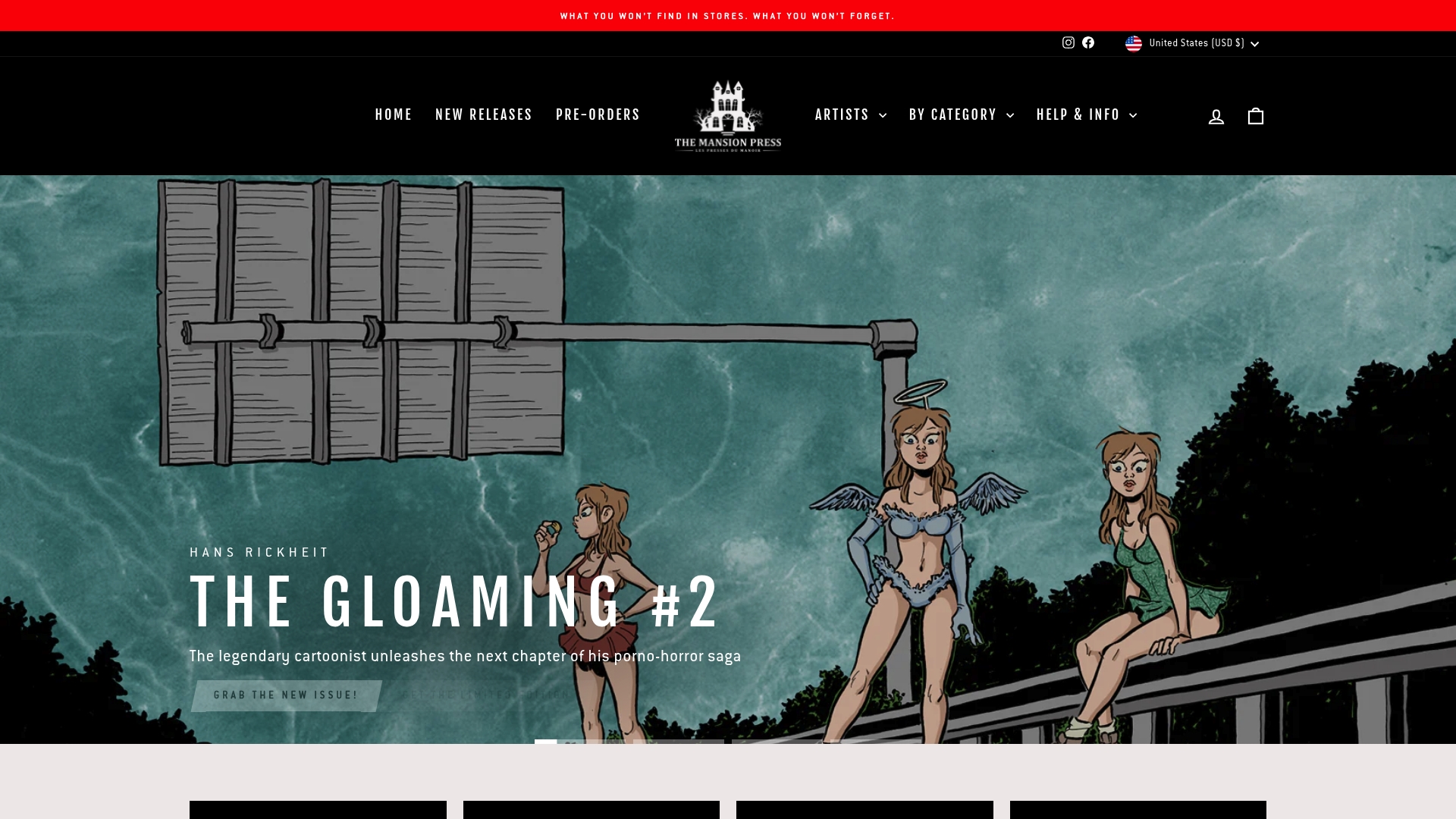
Explore the diverse offerings that celebrate creative freedom and cultural resistance at The Mansion Press. Don’t miss your chance to pre-order upcoming releases or discover rare collector’s editions that honor the movement’s authenticity. Visit our homepage to start your journey and connect directly with artists redefining modern collecting. Act now and add meaningful underground art to your collection with confidence and pride.
Frequently Asked Questions
What defines underground art movements?
Underground art movements are characterized by their rejection of traditional artistic norms and commercial expectations, focusing on authentic self-expression and social commentary. They often operate outside established art markets and prioritize experimental and provocative forms of creativity.
How do legal issues impact underground artists?
Legal issues significantly impact underground artists, as many engage in unauthorized acts, such as public installations. This creates a tension between artistic freedom and legal consequences, leading artists to navigate complex legal landscapes as part of their creative practice.
What ethical considerations should collectors keep in mind when acquiring underground art?
Collectors should consider the potential transformation of subversive works into commercial goods, ensuring that acquisitions do not undermine the artist’s original intent. This involves transparent communication with artists and understanding the significance of the work within its cultural context.
How can collectors verify the provenance of underground artworks?
Collectors can verify provenance by conducting thorough research, establishing clear documentation, and maintaining direct communication with artists. This helps protect both the artist’s rights and the collector’s investment in the artwork.
Recommended
- Dark Art Movements: Impact on Contemporary Collecting – The Mansion Press
- 7 Weird Art Movements Every Collector Should Know – The Mansion Press
- History of Underground Comics: Cultural Rebellion and Artistry – The Mansion Press
- Dark Art Themes: Impact on Modern Art Collecting – The Mansion Press
- 10 Must‑See Vintage Anime T Shirts for Collectors and Fans – IGZ Clothing