

History of Underground Comics: Cultural Rebellion and Artistry
Most mainstream comic books stick to safe themes, but underground comix broke all the rules in the late 1960s and 1970s, sparking a cultural uprising that changed the art form forever. For any collector or artist fascinated by creative rebellion, these American comic movements offer more than nostalgia. Underground comix ignited a global shift in how art challenges authority and expresses raw, honest stories. Discover what sets these bold works apart and why their influence remains pivotal for independent creators and collectors worldwide.
Table of Contents
- Defining Underground Comics And Core Concepts
- Major Eras And Influential Artists
- Themes, Styles, And Social Commentary
- Legal Challenges And Censorship Battles
- Impact On Indie Publishing And Legacy
Key Takeaways
| Point | Details |
|---|---|
| Underground Comix as Cultural Rebellion | Underground comics challenged traditional publishing and societal norms by embracing artistic freedom and taboo subjects. |
| Influential Artists and Works | Key figures like Robert Crumb and Art Spiegelman transformed comic storytelling with provocative narratives and complex themes. |
| Legacy of Independent Publishing | The movement laid the groundwork for future indie publishing, inspiring a focus on artistic autonomy and social critique. |
| Censorship and Legal Battles | Artists navigated legal challenges to preserve artistic expression, highlighting the importance of free speech in the comic medium. |
Defining Underground Comics and Core Concepts
Underground comics, or comix, emerged as a radical artistic movement challenging mainstream publishing norms and societal expectations during the late 1960s and early 1970s. These provocative publications represented more than mere graphic narratives - they were instruments of cultural rebellion, pushing boundaries of artistic expression and social commentary. Underground comix challenged censorship through subversive artistic techniques, transforming comic art into a powerful medium for counterculture critique.
The core characteristics of underground comics distinguished them sharply from traditional comic book formats. Unlike mainstream publications constrained by the Comics Code Authority, underground comix embraced unfiltered creative autonomy. Artists like Robert Crumb, Gilbert Shelton, and Art Spiegelman used explicit imagery, dark humor, and raw social commentary to deconstruct established cultural narratives. Sexual themes, political satire, and personal storytelling became fundamental elements that defined this artistic revolution.
Underground comix represented a deliberate rejection of commercial publishing standards. These artistic works expanded comic art’s expressive language through innovative narrative techniques that challenged readers’ expectations. They operated outside traditional distribution channels, often being sold in alternative bookstores, head shops, and music venues, which further emphasized their countercultural identity.
Here’s a summary of the key differences between underground comix and mainstream comics:
| Aspect | Underground Comix | Mainstream Comics |
|---|---|---|
| Creative Control | Total artistic freedom | Publisher-driven content |
| Distribution Channels | Head shops, record stores | Newsstands, comic shops |
| Common Themes | Social rebellion, taboo topics | Superheroes, sanitized stories |
| Visual Style | Experimental, raw, surreal | Polished, conventional art |
| Audience | Adult, counterculture readers | Broad, youth-oriented readership |

Pro Tip: Collectors and art enthusiasts interested in underground comix should focus on original, first-edition prints from the late 1960s and early 1970s, as these represent the most authentic and historically significant examples of this groundbreaking artistic movement.
Major Eras and Influential Artists
The pioneering history of underground comics reveals a dynamic landscape of artistic rebellion spanning multiple distinctive eras. The movement emerged primarily during the late 1960s counterculture period, with San Francisco serving as the epicenter of creative transformation. Artists like Robert Crumb, S. Clay Wilson, and Gilbert Shelton became central figures who redefined graphic storytelling through provocative, unfiltered artistic expression.
The first significant era, spanning 1965-1975, represented the golden age of underground comix. During this period, artists systematically challenged societal norms through raw, uncompromising narratives. Influential publications like Zap Comix, founded by Robert Crumb, became pivotal platforms for expressing radical perspectives on sexuality, politics, and social critique. Key artists like Art Spiegelman and Trina Robbins expanded the boundaries of comic art through groundbreaking narrative techniques, introducing complex personal and political themes that traditional comic formats had systematically suppressed.
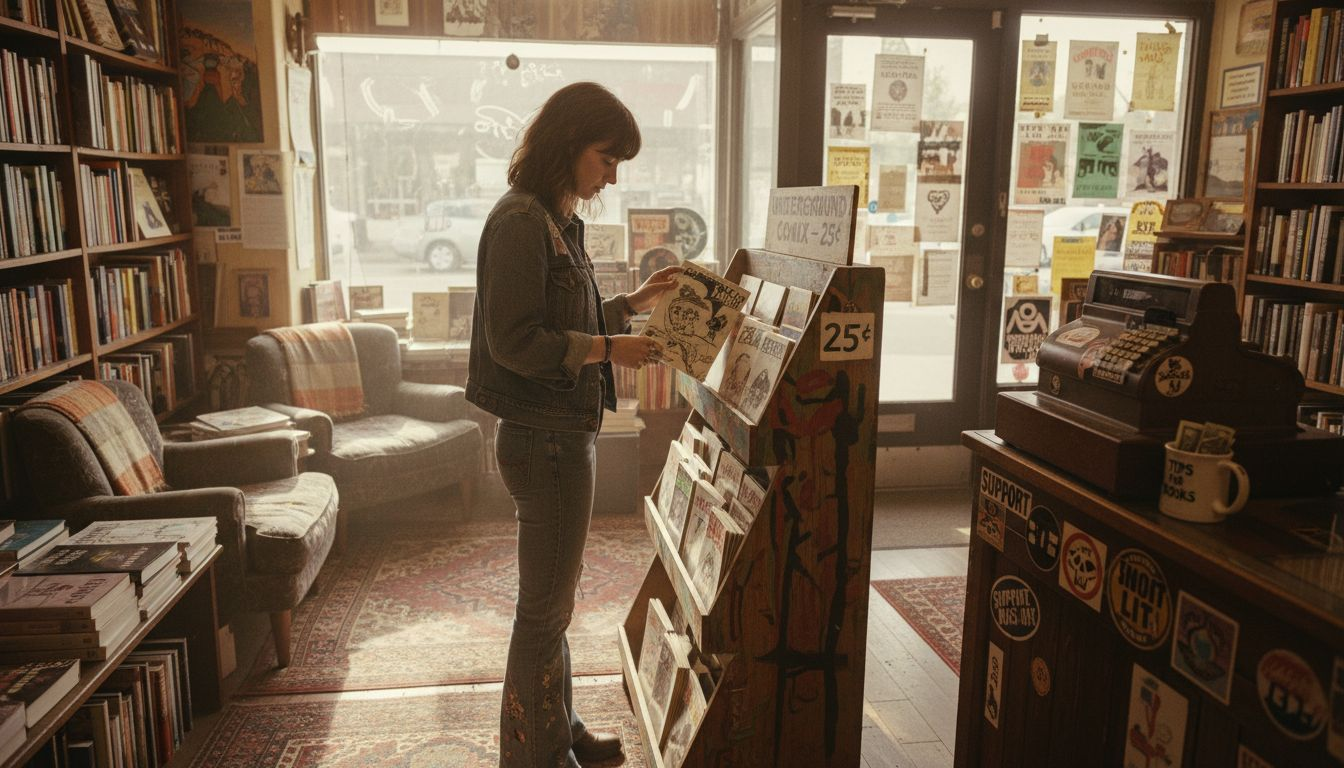
Subsequent eras witnessed the evolution of underground comics from purely counterculture expressions to more nuanced, sophisticated artistic statements. The late 1970s and 1980s saw artists exploring more introspective and autobiographical storytelling, with creators like Harvey Pekar pioneering the graphic memoir genre. This transition demonstrated the medium’s capacity for profound personal narrative and social commentary, moving beyond pure shock value toward more sophisticated artistic exploration.
Pro Tip: Serious underground comix collectors should focus on preserving original prints and understanding the contextual significance of each work, as these publications represent critical artifacts of cultural resistance and artistic innovation.
The following table highlights major underground comix artists and their unique contributions:
| Artist | Notable Work | Signature Contribution |
|---|---|---|
| Robert Crumb | Zap Comix | Invented confessional satire |
| Gilbert Shelton | The Fabulous Furry Freak Brothers | Popularized drug culture parody |
| Art Spiegelman | Maus | Elevated comics to memoir genre |
| Trina Robbins | Wimmen’s Comix | Advanced feminist narratives |
| Harvey Pekar | American Splendor | Pioneered autobiographical comics |
Themes, Styles, and Social Commentary
Underground comix emerged as a radical platform for social critique, transcending traditional comic book boundaries through provocative storytelling and explicit artistic expression. These publications became powerful vehicles for challenging societal norms, addressing taboo subjects like sexuality, political dissent, drug culture, and personal liberation that mainstream media systematically suppressed. Artists intentionally used graphic, unfiltered visual narratives to deconstruct cultural assumptions and provoke critical thinking among readers.
The artistic styles of underground comix were characterized by deliberate aesthetic rebellion. Experimental visual techniques replaced conventional comic book aesthetics, featuring distorted anatomical representations, surreal imagery, and intentionally raw drawing styles. Artists like Robert Crumb and Spain Rodriguez developed distinctive visual languages that rejected commercial artistic standards, using exaggerated character designs and complex narrative structures to communicate subversive messages. These comics evolved beyond simple storytelling into nuanced explorations of personal and collective experiences, challenging readers’ perceptions of graphic storytelling.
Social commentary represented the core philosophical foundation of underground comix. Artists systematically interrogated systemic power structures, addressing complex issues like racism, sexism, government corruption, and counterculture movements. Works like Art Spiegelman’s groundbreaking narratives transformed comics from entertainment into profound social critique, demonstrating the medium’s potential for intellectual and emotional depth. The comics became platforms for marginalized voices, creating spaces where traditional narrative restrictions could be radically reimagined and challenged.
Pro Tip: Aspiring underground comix collectors and enthusiasts should study the historical and social contexts of these works, understanding them not just as artistic artifacts but as critical documents of cultural resistance and transformative storytelling.
Legal Challenges and Censorship Battles
The Comics Code Authority represented a systematic mechanism of artistic suppression that directly catalyzed the underground comix movement. Established in 1954, this self-regulatory body imposed strict content guidelines that effectively neutered mainstream comic book creativity, mandating sanitized narratives that eliminated sexual references, challenged social norms, and minimized graphic representations of violence. These restrictive standards created a cultural pressure cooker that ultimately sparked the rebellious underground comix revolution.
Underground comic artists strategically confronted legal boundaries through deliberate provocative content and alternative distribution networks. Obscenity trials became critical battlegrounds where artists challenged societal definitions of acceptable artistic expression. Landmark legal cases systematically expanded free speech protections for comic creators, with key court decisions progressively recognizing comics as legitimate artistic mediums deserving constitutional protections. Artists like Robert Crumb deliberately pushed legal boundaries, creating works that directly challenged existing censorship frameworks and forced judicial reconsideration of artistic freedom.
The legal landscape for underground comix was complex and multifaceted, involving intricate negotiations between artistic intention, social standards, and constitutional rights. Comic creators developed sophisticated strategies to circumvent censorship, including publishing through independent presses, selling through alternative distribution channels like head shops, and carefully crafting narratives that balanced provocative content with legal defensibility. These tactics not only preserved artistic integrity but also gradually transformed broader cultural perceptions about comic book art as a serious form of social commentary and personal expression.
Pro Tip: Comic collectors and enthusiasts interested in understanding censorship battles should collect and preserve original underground comix publications, recognizing them as critical historical documents that demonstrate artistic resistance against institutional control.
Impact on Indie Publishing and Legacy
Underground comix revolutionized independent publishing through radical self-publishing techniques that fundamentally transformed creative distribution models. By rejecting traditional publishing gatekeepers, artists created alternative networks that prioritized artistic freedom over commercial viability. These grassroots strategies enabled creators to produce and distribute work that challenged mainstream narratives, establishing a powerful model of independent artistic expression that would influence generations of graphic storytellers.
The creative principles of underground comix profoundly reshaped the broader landscape of independent publishing. Artistic autonomy became a core value, inspiring subsequent generations to prioritize personal vision over commercial constraints. Contemporary graphic novels and independent comics continue to inherit the ethical storytelling traditions pioneered by underground comix creators, particularly in addressing complex social issues, marginalized experiences, and challenging systemic narratives. The movement’s legacy extended far beyond artistic style, fundamentally reimagining comics as a medium for serious social critique and personal testimony.
Moreover, underground comix established critical infrastructures for independent creative communities. Zine culture, alternative distribution networks, and independent printing techniques developed during this era became foundational templates for future independent artists across multiple creative disciplines. By demonstrating that niche, provocative, and personally meaningful art could find an audience outside mainstream channels, these artists created sustainable models of creative independence that continue to inspire contemporary independent publishers and artists worldwide.
Pro Tip: Independent comic creators seeking to understand their artistic lineage should study original underground comix publications, recognizing them as blueprints for creative rebellion and uncompromising artistic expression.
Discover the Rich Legacy of Underground Comics Through Exclusive Art Collections
The article highlights the powerful cultural rebellion and artistic freedom that defined the underground comics movement. These works pushed beyond censorship and mainstream limits to deliver unfiltered social commentary and groundbreaking visual styles. If you are passionate about the themes of artistic autonomy, social critique, and innovative comic storytelling, you understand the challenge of finding authentic pieces that capture this revolutionary spirit.
At The Mansion Press, we connect collectors and enthusiasts like you with rare and original underground comic art, limited-edition artbooks, and unique collectibles that embody the very essence of this countercultural movement. Explore exclusive artist showcases and carefully curated collections that preserve the rebellious creativity and historical significance detailed in the article.
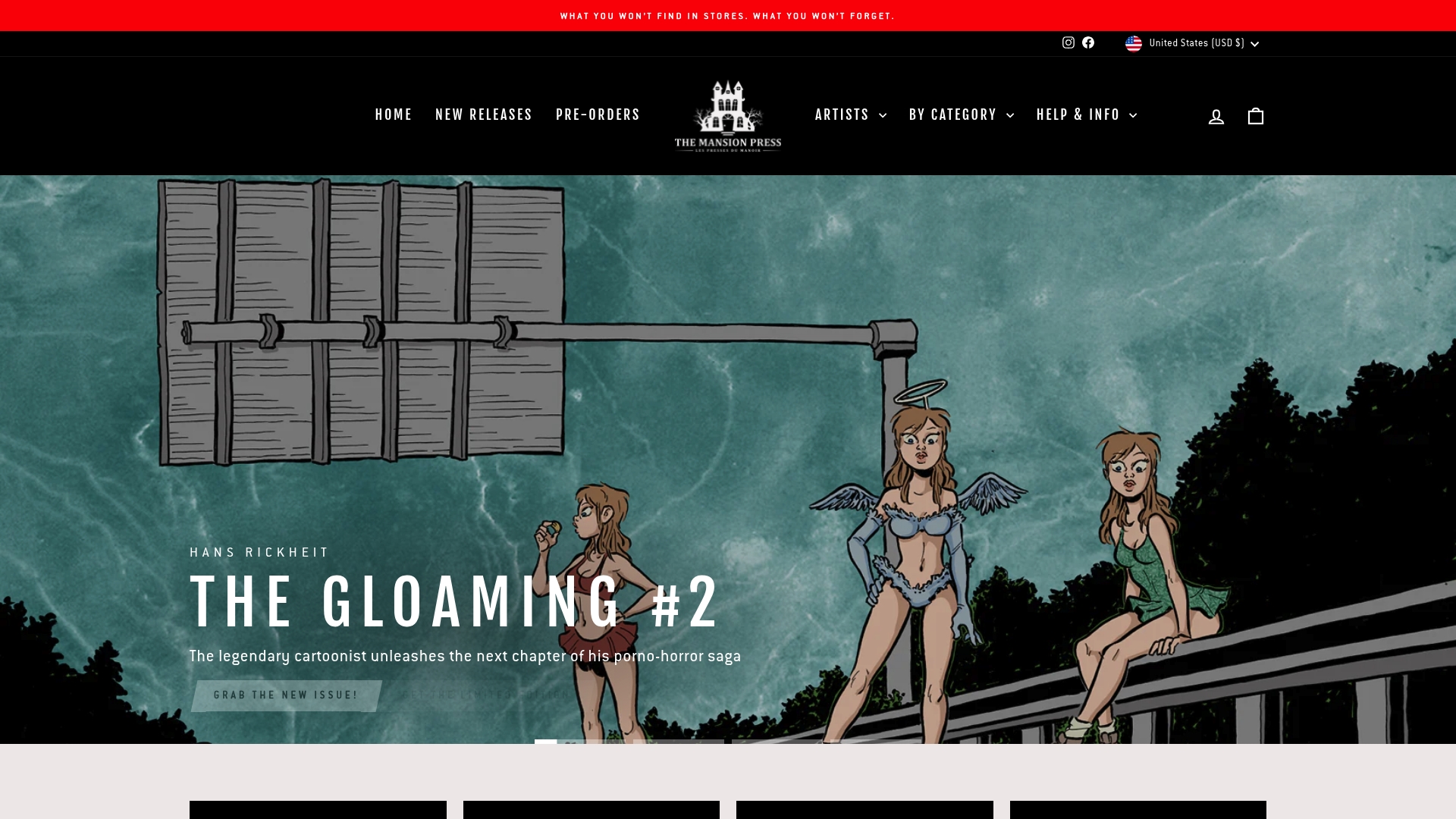
Elevate your collection today with treasures that celebrate the independence and innovation of underground comix. Visit The Mansion Press now to secure limited-run editions and original artworks that stand as powerful testaments to cultural rebellion and artistic legacy.
Frequently Asked Questions
What are underground comics?
Underground comics, or comix, are an artistic movement that emerged in the late 1960s, characterized by their radical content and rejection of mainstream publishing norms. They often explore social rebellion, taboo topics, and explicit imagery as a form of cultural critique.
Who are some influential artists in the underground comics movement?
Key figures in the underground comics movement include Robert Crumb, Gilbert Shelton, Art Spiegelman, and Trina Robbins. These artists greatly impacted the genre with their distinctive styles and challenging themes.
How did underground comics address censorship and legal challenges?
Underground comic artists confronted censorship through provocative content and alternative distribution methods. Landmark legal battles helped expand free speech protections for comic creators, allowing them to push the boundaries of what could be depicted in comics.
What themes are commonly explored in underground comics?
Common themes in underground comics include sexuality, political satire, drug culture, and personal storytelling. These works aim to challenge societal norms and provoke critical thinking, often addressing complex issues such as racism, sexism, and government corruption.
Recommended
- Understanding Underground Comic Creators: Art and Impact – The Mansion Press
- Underground Comics and Music: A Creative Revolution – The Mansion Press
- 7 Must-Know Iconic Underground Comic Creators for Collectors – The Mansion Press
- 7 Key Insights into Alternative Comics Movements Today – The Mansion Press