

Transgressive Art Meaning: Impact on Collectors
Bold artistic statements rarely hold back in the American contemporary scene, where transgressive art has surged beyond mere shock value to become a force for questioning cultural norms. For collectors and comic enthusiasts searching for avant-garde experiences, this movement offers a provocative lens into societal boundaries and power structures. Discover how sophisticated strategies in visual and performance art now address complex themes, pushing viewers to confront hidden prejudices and transform their appreciation for challenging artistic expression.
Table of Contents
- What Transgressive Art Means Today
- Types and Notable Forms in Transgressive Art
- Key Traits and Provocative Themes
- Legal Controversies and Public Debate
- Collecting Transgressive Art: Risks and Rewards
Key Takeaways
| Point | Details |
|---|---|
| Understanding Transgressive Art | Transgressive art challenges societal norms and power structures, functioning as an active tool for social critique. It transforms art from mere representation into a means of provoking critical dialogue. |
| Medium Diversity | This form of art spans multiple mediums—visual arts, performance, literature, and cinema—each employing unique strategies to confront cultural assumptions and challenge boundaries. |
| Legal and Cultural Implications | The relationship between transgressive art and legal frameworks raises significant issues surrounding censorship, highlighting the tension between artistic expression and societal standards. |
| Collecting with Intention | Collectors should prioritize works that demonstrate intellectual complexity and consider the cultural context and legal implications to navigate the risks associated with transgressive art. |
What Transgressive Art Means Today
Transgressive art represents a radical contemporary form of artistic expression that systematically challenges societal norms, institutional boundaries, and cultural expectations. Artistic transgressions as marginal acts have evolved into sophisticated strategies for critiquing social structures, power dynamics, and embedded cultural assumptions.
Today’s transgressive art goes beyond mere shock value, functioning as a nuanced philosophical and aesthetic intervention. Artists now employ complex techniques that deconstruct established narratives, challenge censorship frameworks, and provoke critical dialogue about uncomfortable social realities. These works deliberately push against legal, ethical, and aesthetic limits, creating provocative experiences that force viewers to confront systemic prejudices and unexamined cultural mechanisms.
Contemporary transgressive art emerges across multiple mediums - from visual arts and performance to digital platforms and experimental cinema. These artists strategically utilize boundary-breaking techniques to expose hidden power structures, challenge normative representations, and create spaces for marginalized perspectives. By disrupting conventional aesthetic and social expectations, transgressive artists transform art from passive representation into an active tool for social critique and transformation.
Pro tip: When collecting transgressive art, prioritize works that demonstrate conceptual depth and strategic critique over mere provocative imagery.
Types and Notable Forms in Transgressive Art
Transgressive art emerges across multiple artistic disciplines, each utilizing unique strategies to challenge societal boundaries. Visual art forms represent one of the most provocative mediums, where artists deliberately deconstruct aesthetic conventions and expose hidden cultural tensions. Photographers like Robert Mapplethorpe and Andres Serrano have historically used imagery to confront viewers with challenging representations that critique social norms and institutional power structures.
Performance art represents another critical domain of transgressive expression, where artists physically embody challenging narratives. Marina Abramović exemplifies this approach, using her body as a medium to explore psychological boundaries, pain, and human vulnerability. These performances often blur lines between art, personal experience, and social commentary, creating visceral experiences that force audiences to confront uncomfortable truths about human behavior and societal constraints.
Literary and cinematic forms of transgressive art provide additional platforms for radical critique. Underground film movements have historically pushed artistic boundaries by presenting narratives that challenge mainstream storytelling conventions. These works frequently explore taboo subjects, deconstruct normative narrative structures, and provide platforms for marginalized perspectives that traditional media typically suppress. Contemporary artists across these mediums continue to develop increasingly sophisticated strategies for challenging cultural assumptions and creating spaces for critical dialogue.
Pro tip: When collecting transgressive artworks, research the artist’s conceptual framework and historical context to understand the deeper meaning behind provocative imagery.
Here is a summary comparing major forms of transgressive art and their approaches:
| Artistic Medium | Approach to Boundaries | Notable Impact |
|---|---|---|
| Visual Arts | Deconstruct visual conventions | Challenges social norms |
| Performance Art | Embodies physical provocation | Exposes psychological limits |
| Literature/Cinema | Disrupts traditional narrative | Highlights marginalized views |
Key Traits and Provocative Themes
Transgressive art fundamentally challenges cultural boundaries through strategic provocation. Boundary-breaking artistic approaches reveal complex mechanisms of social control by deliberately confronting institutional norms. These works systematically expose hidden power structures through themes that deliberately transgress established ethical and aesthetic limitations, creating intellectual and emotional tension that forces audiences to reconsider deeply ingrained assumptions.

The most compelling transgressive artworks distinguish themselves by moving beyond simple shock tactics into nuanced critique. They explore challenging subjects like sexuality, violence, and social marginalization not for sensationalism, but as sophisticated methods of cultural interrogation. Artists in this genre meticulously deconstruct societal taboos, using provocative imagery and unconventional narratives to challenge viewers’ comfort zones and expose systemic cultural repressions.
Key themes in transgressive art often include radical examinations of human psychology, institutional power, sexual politics, and cultural hypocrisy. These works deliberately subvert traditional representational modes, creating uncomfortable yet intellectually rigorous experiences that compel audiences to confront their own internalized biases. By pushing aesthetic and moral boundaries, transgressive artists transform art from passive representation into an active tool for social critique, challenging viewers to question normative structures and imagine alternative perspectives.
Pro tip: When collecting transgressive art, prioritize works that demonstrate intellectual complexity and strategic critique over mere sensationalistic shock value.
Legal Controversies and Public Debate
Transgressive art has consistently challenged legal frameworks, creating complex battles between artistic expression and societal standards. Legal battles surrounding artistic freedom have produced landmark court cases that fundamentally reshape understanding of free speech and creative boundaries. High-profile controversies involving artists like Andres Serrano and Robert Mapplethorpe demonstrate how transgressive works deliberately provoke institutional responses, forcing public dialogues about censorship, morality, and the limits of artistic representation.
Courts have repeatedly grappled with defining the boundaries between offensive imagery and protected artistic expression. Landmark Supreme Court decisions have often sided with artists, recognizing that challenging social norms is a critical function of creative work. These legal confrontations expose deeper cultural tensions, revealing how societal power structures attempt to control narrative and representation through institutional mechanisms of censorship and moral policing.
Academic discussions of artistic censorship highlight the nuanced relationship between legal frameworks and cultural production. Transgressive artists strategically use legal challenges as platforms for broader social critique, transforming courtrooms into additional spaces for challenging normative thinking. By forcing public conversations about freedom of expression, these artists demonstrate how art can function as a powerful tool for questioning social conventions and expanding collective understanding of human experience.
Pro tip: Research the specific legal precedents and court decisions surrounding controversial artworks to understand the deeper cultural dynamics of artistic freedom.
Collecting Transgressive Art: Risks and Rewards
Collecting transgressive art requires sophisticated understanding and strategic approach. Navigating art collection risks demands careful consideration of potential public backlash, legal complexities, and market volatility inherent in this provocative artistic domain. Serious collectors must develop nuanced perspectives that balance aesthetic appreciation with potential institutional and social challenges associated with controversial artworks.
The financial landscape for transgressive art presents unique investment dynamics. While these works might initially generate controversy, they frequently appreciate in cultural and monetary value over time, becoming significant historical artifacts that document critical moments of social transformation. Successful collectors understand that these pieces are not merely aesthetic objects but complex cultural statements that challenge institutional narratives and expand collective understanding of artistic expression.

Risk mitigation in transgressive art collecting involves thorough research, understanding artist provenance, and developing a sophisticated contextual framework. Collectors must evaluate potential acquisitions through multiple lenses: artistic merit, historical significance, potential legal implications, and the work’s capacity to generate meaningful cultural dialogue. By approaching these acquisitions with intellectual rigor and strategic insight, collectors can transform potential risks into opportunities for meaningful cultural engagement and unique artistic investment.
Pro tip: Always document the contextual background and historical significance of transgressive artworks to enhance their long-term cultural and monetary value.
Consider these key factors when collecting transgressive art:
| Factor | Why It Matters | Example Consideration |
|---|---|---|
| Conceptual Depth | Indicates lasting intellectual value | Assess critical themes explored |
| Legal Background | Affects risk and provenance | Review court cases or controversies |
| Market Volatility | Influences investment strategy | Monitor price trends over time |
Discover and Collect Transgressive Art That Challenges Boundaries
Navigating the complex world of transgressive art can be daunting. This genre pushes societal, legal, and aesthetic limits while demanding intellectual depth beyond shock value. If you are a collector seeking provocative works that combine conceptual sophistication with cultural significance, it is crucial to find curated selections that respect both artistic freedom and your investment goals.
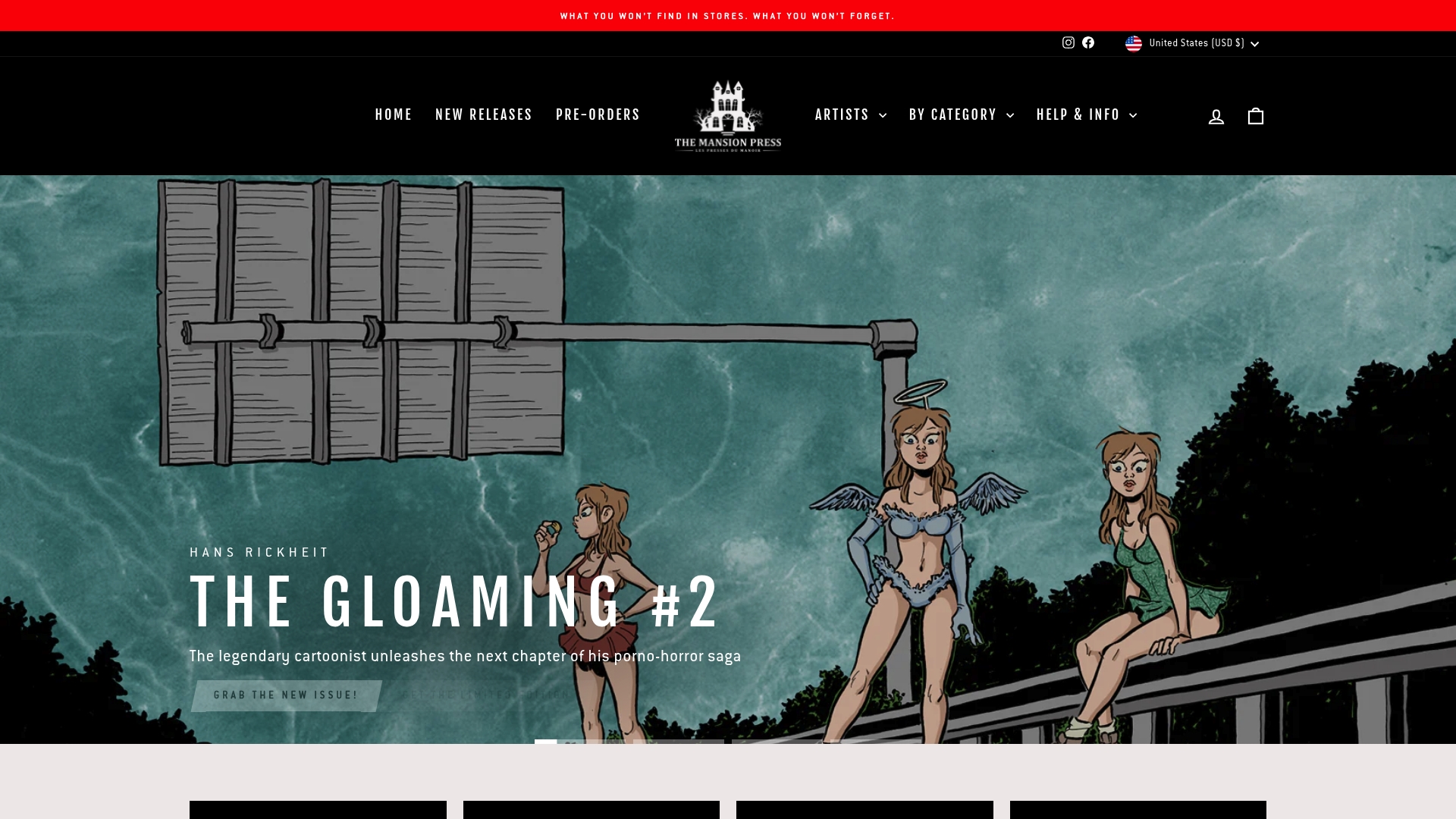
Explore the unique offerings at The Mansion Press, where independent artists and visionary creators present exclusive editions and original artworks. Our carefully chosen collection empowers collectors to engage with boundary-pushing art that sparks meaningful dialogue and reflects the nuanced themes discussed in “Transgressive Art Meaning: Impact on Collectors”. Act now to access limited-run pieces that not only challenge norms but also gain historical and monetary value over time. Begin your journey with our diverse range of artist showcases and discover exceptional works that elevate your collection today.
Frequently Asked Questions
What is transgressive art?
Transgressive art is a form of artistic expression that challenges societal norms, cultural expectations, and institutional boundaries. It systematically critiques social structures and power dynamics through provocative techniques and themes.
How does transgressive art impact art collectors?
Collecting transgressive art can be both risky and rewarding. While it may provoke controversy and face legal challenges, these artworks often appreciate in value over time, making them significant investments that document critical cultural moments.
What are some common themes in transgressive art?
Common themes include sexuality, violence, institutional power, and cultural hypocrisy. Transgressive artists use these themes to deconstruct societal taboos and provoke critical dialogue about uncomfortable social realities.
How can collectors mitigate risks associated with transgressive art?
Collectors can mitigate risks by conducting thorough research on artist provenance, understanding legal implications, and evaluating artworks through various lenses, such as artistic merit and historical significance.
Recommended
- What Is Transgressive Art and Why It Matters – The Mansion Press
- What Is Grotesque Art? Impact on Modern Collecting – The Mansion Press
- Dark Art Themes: Impact on Modern Art Collecting – The Mansion Press
- What Is Visionary Art and Its Impact on Collectors – The Mansion Press
- Modern Retro Art: How to Get the Look in 2025 - ArtMandre