

What Is Lowbrow Art and Why It Matters
Lowbrow art has shattered long-held beliefs about what makes art truly valuable, with over 60 percent of American collectors now recognizing its cultural significance. For art lovers who grew up alongside comic book legends and punk music, this rebellious genre offers a chance to rethink tradition while investing in works that challenge the old guard. This introduction uncovers how lowbrow art redefines creative boundaries and empowers you to support bold independent talent.
Table of Contents
- Lowbrow Art Defined and Common Misconceptions
- Major Styles and Pop Surrealism Influence
- Key Characteristics and Artistic Themes
- Collecting Lowbrow Art: Tips and Pitfalls
- Lowbrow vs. Highbrow: Critical Comparisons
Key Takeaways
| Point | Details |
|---|---|
| Lowbrow Art’s Definition | Lowbrow art is a rebellious movement that challenges traditional artistic norms, drawing from various subcultures and emphasizing emotional resonance over institutional approval. |
| Pop Surrealism’s Influence | Pop Surrealism merges imaginative storytelling with cultural influences, creating accessible art that encourages viewers to engage with deeper meanings beyond the surface. |
| Collecting Strategies | To collect lowbrow art effectively, prioritize authenticity, emotional connection, and historical context, while also managing related expenses and building relationships within the art community. |
| Fluid Artistic Boundaries | The distinctions between lowbrow and highbrow art are blurring, as both are increasingly recognized for their ability to convey complex ideas and connect with diverse audiences. |
Lowbrow Art Defined and Common Misconceptions
Lowbrow art represents a rebellious underground visual art movement that emerged from the gritty cultural landscape of late 1960s Los Angeles. Unlike traditional fine art, this genre deliberately challenges established artistic norms by drawing inspiration from subcultures like underground comix, punk music, and street art. Arising from underground artistic movements), lowbrow art intentionally disrupts the formal boundaries of what society considers “acceptable” artistic expression.
At its core, lowbrow art is characterized by a provocative blend of humor, sarcasm, and visual storytelling that deliberately subverts expectations. Artists in this movement often use exaggerated imagery, cartoon-like aesthetics, and surreal elements to communicate complex social commentaries. The genre typically features bold colors, intricate designs, and narrative illustrations that draw from pop culture, counterculture, and personal experiences rather than adhering to classical artistic techniques.
Common misconceptions about lowbrow art frequently stem from traditional art world perspectives that view it as less legitimate or refined. Many art critics initially dismissed the movement as mere “comic book art” or juvenile expression. However, pioneers like Robert Williams demonstrated that lowbrow art could be a powerful medium for social critique, personal expression, and challenging systemic artistic gatekeeping. The movement represents a democratic approach to creativity, arguing that artistic value isn’t determined by institutional approval but by the emotional resonance and technical skill of the work.
Pro tip: When exploring lowbrow art, approach each piece with an open mind and look beyond surface-level aesthetics to understand the deeper cultural narratives and personal statements embedded in the artwork.
Major Styles and Pop Surrealism Influence
Pop Surrealism emerged as a dynamic artistic movement that transformed the landscape of contemporary visual art by blending underground cultural influences with imaginative storytelling. Pop surrealism artists like Robert Williams, Mark Ryden, and Ray Caesar pioneered a style that deliberately challenges traditional artistic boundaries, creating intricate narratives that merge dreamlike imagery with social commentary.
The movement’s distinctive aesthetic draws from multiple cultural currents, including underground comix, punk music, tiki culture, and street art. Artists in this genre typically employ bold, saturated color palettes, exaggerated figurative representations, and surreal juxtapositions that create provocative visual narratives. These works often feature meticulously detailed scenes that blend reality with fantasy, challenging viewers to look beyond surface-level interpretations and engage with deeper symbolic meanings.
Unlike traditional fine art movements, pop surrealism celebrates accessibility and emotional resonance over academic pretension. The style embraces elements from popular culture, comic book aesthetics, and counterculture movements, creating a visual language that speaks directly to contemporary experiences. By rejecting formal artistic hierarchies, these artists democratize creativity and invite audiences to explore complex emotional and social landscapes through visually compelling and often whimsical imagery.
Pro tip: When exploring pop surrealist artwork, take time to observe the intricate details and symbolic elements, as each piece often contains multiple layers of meaning waiting to be discovered.
Key Characteristics and Artistic Themes
Lowbrow art represents a rebellious artistic movement characterized by its distinctive visual language and unapologetic approach to creative expression. Lowbrow art movement essentials reveal a style marked by cartoonish forms, exaggerated imagery, and provocative graphic elements that deliberately challenge traditional artistic conventions. The genre embraces a raw, unfiltered aesthetic that draws inspiration from underground comix, punk subcultures, and street art, creating visual narratives that are simultaneously humorous, critical, and deeply personal.
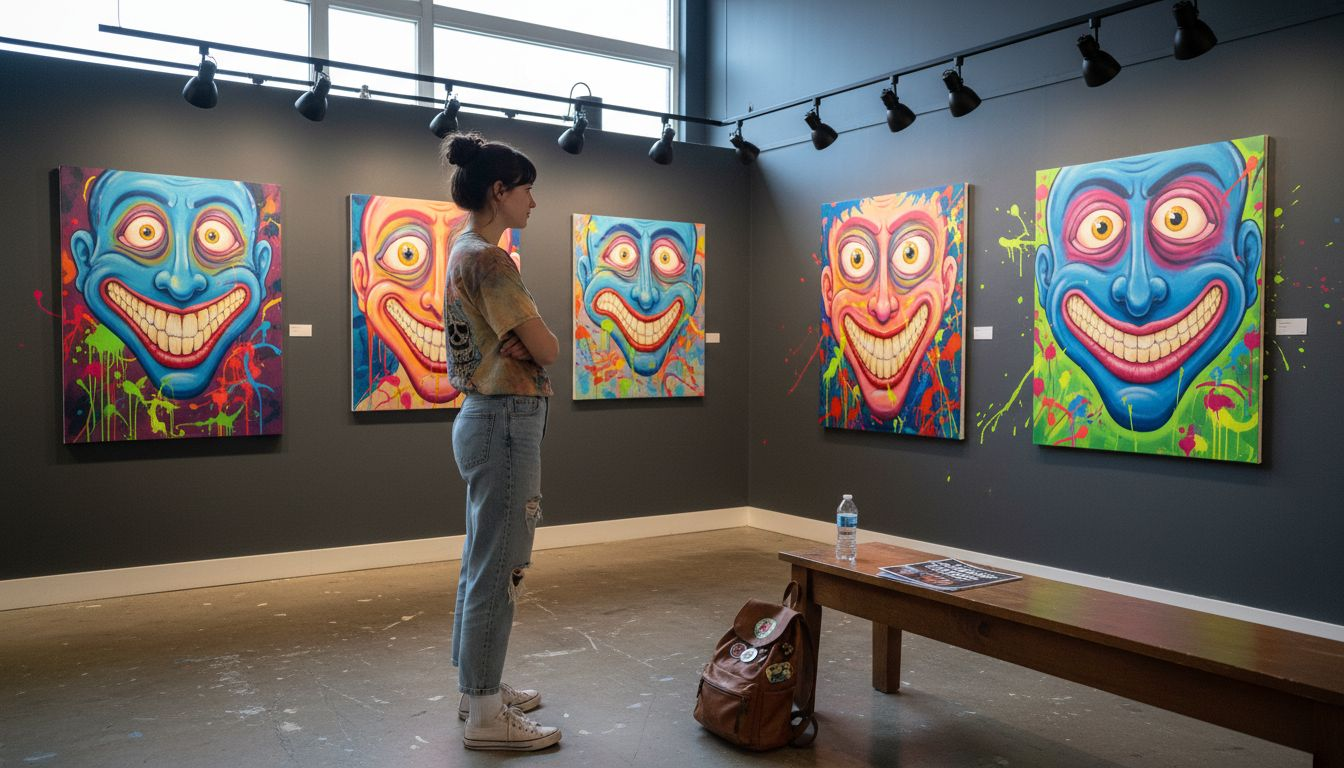
The artistic themes in lowbrow art are complex and multilayered, often incorporating social commentary, mythological references, and fantasy elements. Artists in this movement typically employ bold lines, vibrant color palettes, and surreal compositions that push viewers beyond conventional visual expectations. These works frequently explore themes of rebellion, cultural critique, and personal identity, using graphic storytelling techniques that transform everyday experiences into extraordinary visual metaphors. The do-it-yourself ethos underlying the movement rejects hierarchical art world structures, instead celebrating creativity that emerges from grassroots cultural expressions.
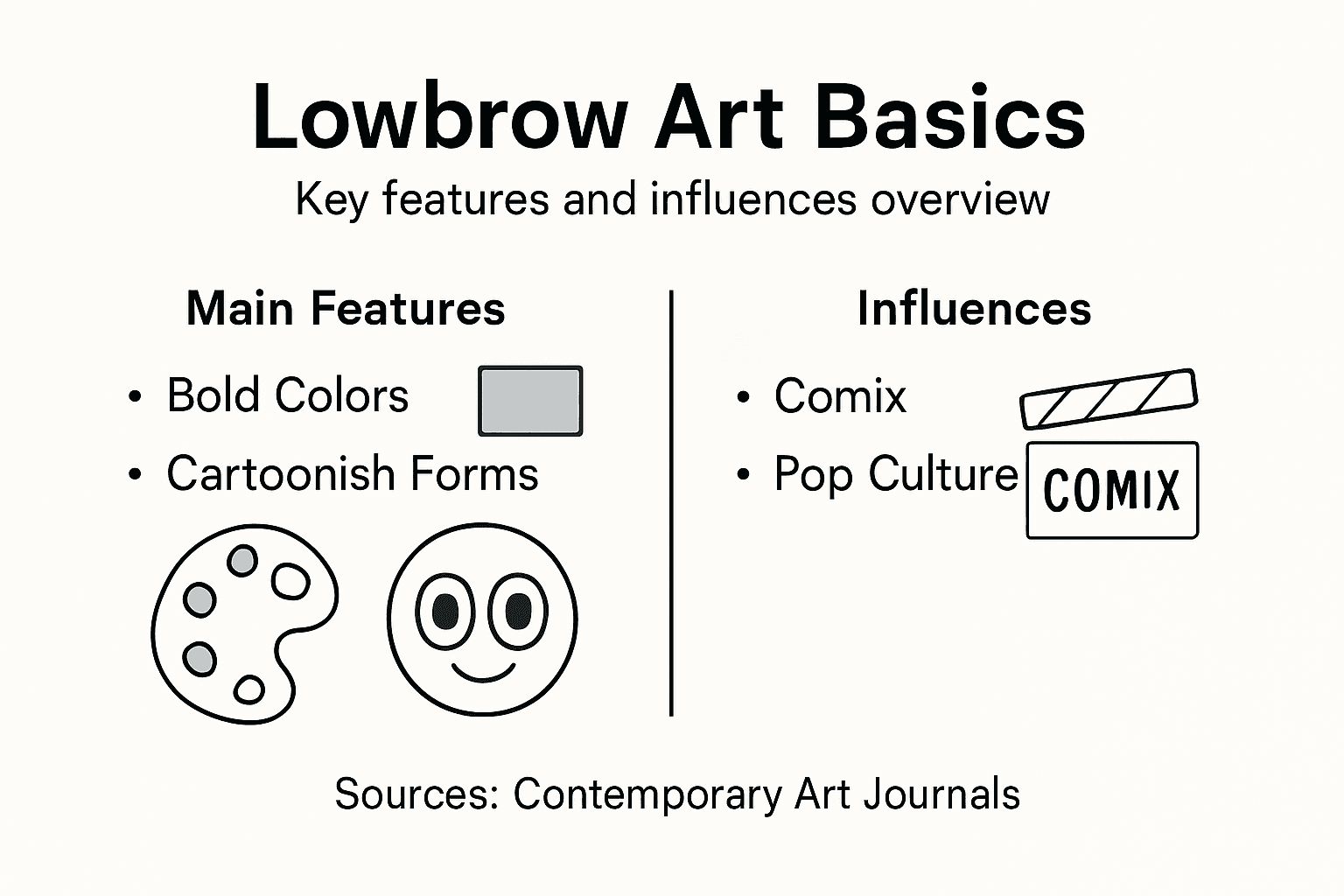
Unlike traditional fine art movements, lowbrow art thrives on accessibility and emotional directness. Its aesthetic deliberately subverts academic pretensions by creating artwork that speaks immediately to viewers’ lived experiences. The style’s humor ranges from gleeful and whimsical to sharply sarcastic, using visual language as a powerful tool for social critique. By blending elements from popular culture, underground comics, and personal mythology, lowbrow artists create a unique visual vocabulary that challenges viewers to reconsider their understanding of artistic legitimacy and creative expression.
Pro tip: When collecting or appreciating lowbrow art, look beyond surface aesthetics and explore the deeper narrative and emotional layers embedded within each piece.
Collecting Lowbrow Art: Tips and Pitfalls
Building a meaningful lowbrow art collection requires strategic planning and a nuanced understanding of the genre’s unique characteristics. Art collecting mistakes to avoid highlight the importance of thorough research and careful consideration before making purchasing decisions. Successful collectors recognize that lowbrow art is not just about acquiring visually striking pieces, but about understanding the cultural context, artist background, and the deeper narrative behind each artwork.
Navigating the lowbrow art market demands a multifaceted approach. Collectors should prioritize authenticity, provenance, and condition over momentary trends or market speculation. This means developing relationships with artists, galleries, and experts who specialize in underground and alternative art movements. Critical considerations include verifying the artwork’s documentation, understanding its historical and cultural significance, and assessing potential long-term value beyond immediate aesthetic appeal. Budget management is equally crucial, accounting for not just the purchase price but also ongoing expenses like professional framing, conservation, insurance, and potential restoration.
The most successful lowbrow art collectors approach their passion with a combination of personal connection and strategic thinking. They buy pieces that resonate emotionally while simultaneously considering the artwork’s broader artistic significance. This approach requires looking beyond surface-level visual attraction and delving into the artist’s background, the piece’s conceptual depth, and its place within the larger lowbrow art movement. Potential collectors should attend exhibitions, engage with artist communities, study the genre’s history, and develop a discerning eye that appreciates both technical skill and narrative complexity.
Consider these collector priorities when evaluating lowbrow art:
| Priority | Impact on Collection | How to Assess |
|---|---|---|
| Provenance | Secures authenticity | Review documentation |
| Condition | Ensures long-term value | Inspect for restoration |
| Emotional Appeal | Builds personal meaning | Reflect on first impact |
| Historical Context | Adds cultural depth | Study the art movement |
Pro tip: Before purchasing a lowbrow artwork, spend time researching the artist’s portfolio, understand the piece’s context, and most importantly, ensure the artwork genuinely speaks to your personal aesthetic and emotional sensibilities.
Lowbrow vs. Highbrow: Critical Comparisons
The traditional boundaries between lowbrow and highbrow art have long been defined by complex social and cultural dynamics. Highbrow and lowbrow cultural distinctions reveal a nuanced landscape where artistic value is no longer determined by rigid institutional hierarchies but by the depth of creative expression and emotional resonance. What was once considered a clear demarcation between elite and popular culture has transformed into a more fluid, interconnected artistic ecosystem that challenges previous notions of cultural legitimacy.
Lowbrow art fundamentally disrupts the established art world paradigms by rejecting the formalized gatekeeping mechanisms of traditional highbrow institutions. While highbrow art has historically been associated with academic training, formal galleries, and elite consumption, lowbrow art emerges from grassroots cultural movements, underground scenes, and personal narratives. This approach democratizes artistic expression, arguing that creativity should not be confined to expensive museums or exclusive collector circles but should be accessible, provocative, and representative of diverse human experiences.
The evolution towards what scholars call nobrow culture represents a profound shift in how we understand artistic value and cultural production. Rather than maintaining strict hierarchical distinctions, contemporary art increasingly celebrates hybrid forms that blend technical sophistication with raw emotional authenticity. Lowbrow artists challenge the notion that technical refinement or institutional validation are the sole markers of artistic merit. Instead, they argue that true artistic significance emerges from the ability to communicate complex ideas, challenge social norms, and connect with audiences on a visceral, emotional level.
Here’s a comparison of lowbrow, highbrow, and nobrow art characteristics:
| Artistic Category | Major Influences | Audience Access | Artistic Value Basis |
|---|---|---|---|
| Lowbrow | Underground comix, punk | Broad, popular | Emotional impact, subversion |
| Highbrow | Classical tradition | Elite, exclusive | Technical skill, institution |
| Nobrow | Hybrid, interdisciplinary | Blurred, inclusive | Innovation, resonance |
Pro tip: When comparing lowbrow and highbrow art, focus on the artwork’s ability to provoke thought and emotion rather than getting trapped in traditional categorization systems.
Discover and Collect Lowbrow Art that Speaks to You
Lowbrow art challenges traditional boundaries and invites you to connect with vibrant storytelling rooted in underground culture. If you are captivated by its provocative visuals and rich narratives, The Mansion Press offers a unique gateway to owning these unforgettable pieces. Whether you seek exclusive artbooks, limited-edition comics, or original artworks that celebrate this rebellious movement, we bring together independent artists and collectors worldwide.
Start building your collection with thoughtful choices that reflect your personal taste and the movement’s dynamic spirit. Explore our curated selection today at The Mansion Press. Embrace the deeper meanings and emotional impact of lowbrow art by browsing artist showcases and limited releases now. Take the first step in supporting groundbreaking creators while securing artworks that matter.
Frequently Asked Questions
What is lowbrow art?
Lowbrow art is a visual art movement that emerged from underground cultural influences, particularly in late 1960s Los Angeles, emphasizing humor, sarcasm, and social commentary through provocative imagery and storytelling.
How does lowbrow art differ from highbrow art?
Lowbrow art challenges traditional artistic norms and is often accessible and emotionally resonant, while highbrow art is typically associated with formal training, academic standards, and elite cultural consumption.
What are the key characteristics of lowbrow art?
Key characteristics of lowbrow art include cartoonish forms, exaggerated imagery, bold colors, and narrative-style illustrations that often incorporate elements from pop culture, punk, and street art, creating a raw and unfiltered aesthetic.
Why is lowbrow art important in contemporary culture?
Lowbrow art democratizes creativity, allowing for emotional expression and cultural critique that reflects diverse human experiences, thus challenging established art hierarchies and broadening the definition of artistic value.