

How Artbooks Are Curated – Impact on Art Collectors
Every American collector knows the excitement and challenge of building an artbook collection that stands out. With professional curators shaping more than 60 percent of contemporary artbooks, the process of curation is now as important as the art itself. Thoughtful artbook curation turns scattered images into a single visual journey, offering collectors and enthusiasts a unique perspective into the artist’s creative world.
Table of Contents
- Defining Artbook Curation And Its Purpose
- Types Of Artbook Curation Approaches
- Key Criteria For Selecting Works
- Artist Collaboration And Editorial Roles
- Common Mistakes When Curating Artbooks
Key Takeaways
| Point | Details |
|---|---|
| Artbook Curation is an Art Form | Curation transforms individual artworks into a cohesive narrative, offering deeper insights into an artist’s creative journey. |
| Thematic and Chronological Approaches | Curators can organize artbooks by thematic coherence or chronological progression to enhance storytelling and emotional resonance. |
| Key Selection Criteria | Effective selection considers artistic merit, conceptual depth, and cultural significance to create a compelling visual narrative. |
| Avoid Common Pitfalls | Successful curators prioritize coherent strategies over random selection and pay meticulous attention to technical details for high-quality presentation. |
Defining Artbook Curation and Its Purpose
Artbook curation represents a sophisticated process of carefully selecting, organizing, and presenting artistic works in a comprehensive visual narrative. At its core, curation transforms individual artworks into a cohesive storytelling medium that provides collectors and enthusiasts with deeper insights into an artist’s creative journey. Unlike traditional art exhibitions, artbook curation requires meticulous attention to visual flow, thematic consistency, and contextual representation.
The purpose of artbook curation extends far beyond mere compilation. Curators act as critical interpreters who contextualize artistic exhibitions by assembling works that communicate a specific aesthetic, historical, or emotional narrative. This process involves strategic selection of artworks, determining page layouts, selecting color palettes, and creating visual dialogues between different pieces. Professional curators understand that an artbook is not just a collection of images, but a carefully constructed experience that guides viewers through an artist’s visual landscape.
Key elements of effective artbook curation include thematic coherence, visual progression, and narrative depth. Successful curators consider multiple factors when assembling an artbook: the chronological development of an artist’s style, the emotional resonance between different works, and the potential for visual storytelling. Understanding artbook collecting basics becomes crucial for both creators and collectors who want to appreciate the nuanced art of curation.
Ultimately, artbook curation is an art form itself - one that requires deep artistic comprehension, curatorial expertise, and an intuitive understanding of visual storytelling. It transforms individual artworks into a comprehensive narrative that invites viewers to explore an artist’s creative universe, making each curated artbook a unique window into artistic expression.
Types of Artbook Curation Approaches
Artbook curation encompasses several distinct approaches, each designed to highlight different aspects of artistic expression and storytelling. Thematic curation represents one of the most sophisticated methods, where artbooks are organized around specific conceptual frameworks, historical periods, or emotional landscapes. This approach allows curators to create intricate visual narratives that transcend traditional artistic boundaries, connecting individual works through deeper intellectual and emotional threads.
Another critical curation approach involves chronological progression, which traces an artist’s creative evolution through carefully selected works. Art book fairs demonstrate multiple curation strategies that showcase how artists’ styles transform over time. These curated collections help collectors and enthusiasts understand an artist’s developmental journey, revealing subtle shifts in technique, philosophical perspective, and creative vision that might otherwise remain unnoticed.
Some advanced curation approaches include specialized methods like genre-specific compilation and cross-disciplinary exploration. Genre-specific curation focuses on narrow artistic domains such as contemporary illustration, fantasy art, or digital design, creating immersive experiences that dive deep into particular creative ecosystems. Mastering building an artbook collection requires understanding these nuanced curation techniques that transform simple image collections into profound artistic statements.
Ultimately, artbook curation is an interpretive art form that requires extraordinary skill, intuition, and deep artistic comprehension. Professional curators do not merely arrange images but construct complex visual dialogues that invite viewers to explore multifaceted creative universes. Each curated artbook becomes a unique lens through which collectors can understand artistic expression, making the curation process itself a form of creative interpretation.
Key Criteria for Selecting Works
Selecting works for an artbook requires a sophisticated approach that goes far beyond simple aesthetic appreciation. Artistic merit stands as the primary criterion, encompassing not just technical skill but the depth of creative expression and innovative potential. Professional curators evaluate works through multiple lenses, examining how individual pieces contribute to a broader narrative and resonate with the intended audience of art collectors and enthusiasts.
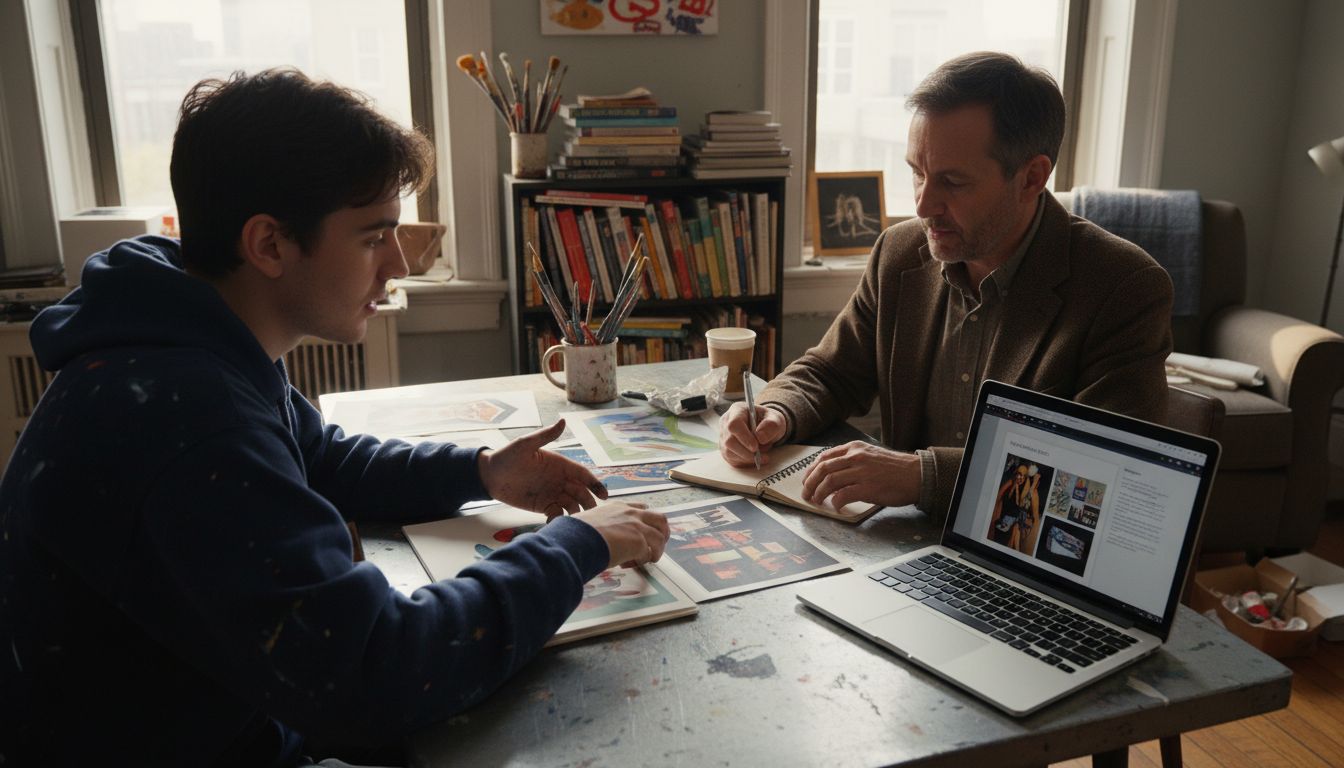
Contextual embeddings of artistic representations play a crucial role in determining an artwork’s significance within a curated collection. Curators analyze complex relationships between an artwork’s historical context, the artist’s unique perspective, and its potential to communicate profound visual narratives. This sophisticated selection process involves understanding how individual works interact with each other, creating a dynamic visual dialogue that transcends individual pieces.
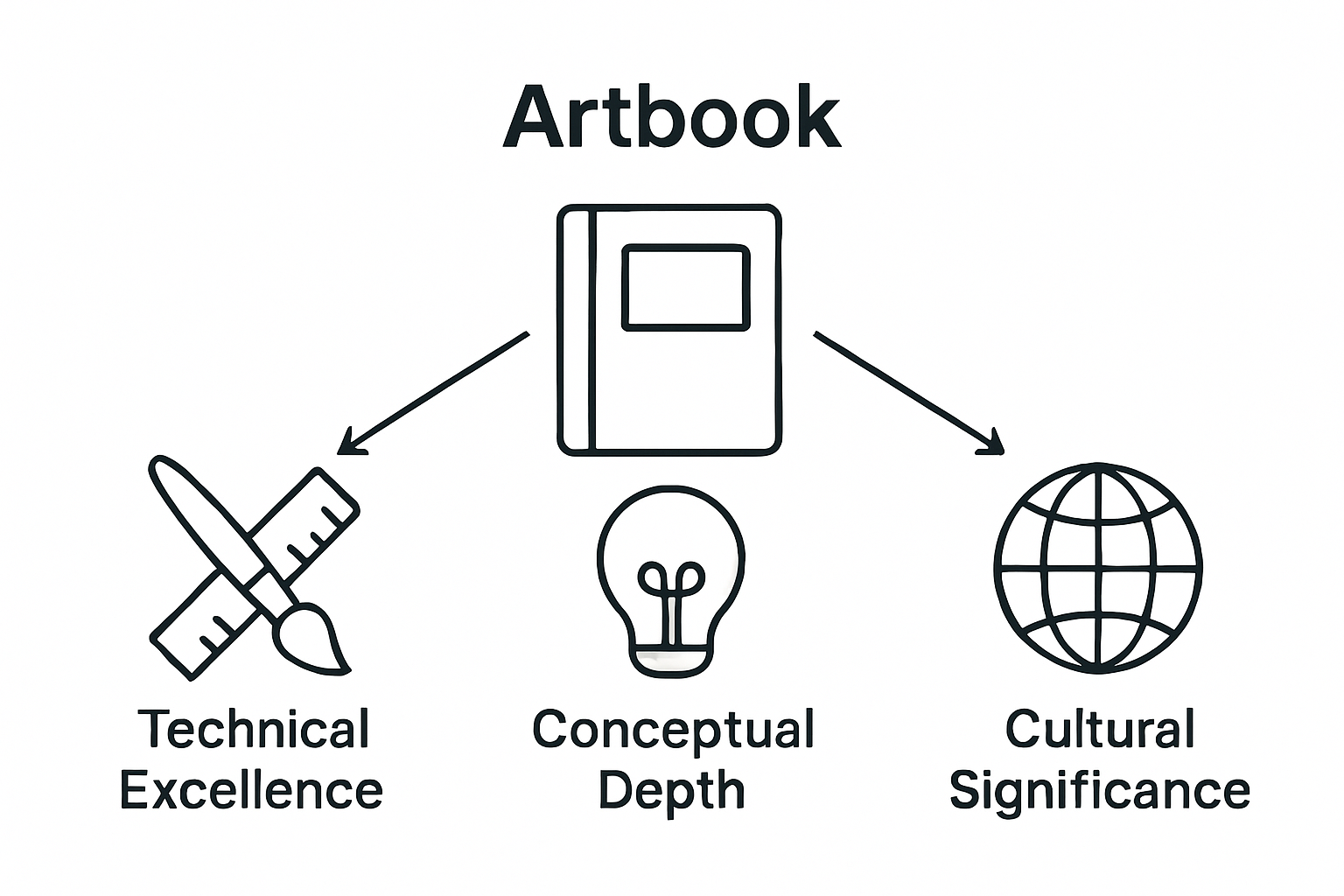
The selection criteria typically include several key dimensions: technical excellence, conceptual depth, and cultural significance. Advanced neural network approaches for artistic analysis have increasingly demonstrated the importance of capturing nuanced relationships between artworks, artists, and broader cultural movements. Technical mastery remains essential, but curators now place equal emphasis on an artwork’s ability to provoke emotional responses, challenge existing artistic paradigms, and contribute to ongoing creative conversations.
Ultimately, selecting works for an artbook is an intricate dance between objective assessment and intuitive understanding. Professional curators bring decades of expertise, cultivating an almost instinctive sense of how individual artworks can be woven into a compelling visual narrative. Their selections are not merely collections of images but carefully constructed experiences that invite viewers to explore complex artistic universes, transforming simple compilations into profound statements of creative expression.
Artist Collaboration and Editorial Roles
Artbook curation represents a complex collaborative process where artists and editors work together to transform individual creative expressions into a cohesive narrative. Editorial vision plays a critical role in guiding this collaborative journey, requiring deep understanding of each artist’s unique perspective and potential contribution to the larger artistic conversation. Professional editors act as strategic interpreters, bridging individual artistic expressions into a unified, meaningful collection.
Curators construct social narratives by developing intricate relationships between artworks, artists, and thematic concepts. This collaborative process involves extensive dialogue, where editors work closely with artists to understand the nuanced contexts of their work, exploring how individual pieces can contribute to a broader creative dialogue. How to join art communities becomes crucial in facilitating these collaborative interactions, enabling artists and editors to develop shared creative visions.
The editorial role extends beyond mere selection, encompassing conceptual development, visual storytelling, and strategic narrative construction. Editors must balance technical expertise with creative intuition, carefully curating works that not only showcase artistic excellence but also communicate complex emotional and intellectual landscapes. This requires a sophisticated understanding of artistic languages, cultural contexts, and the subtle dynamics of visual communication.
Ultimately, artist collaboration in artbook curation represents a delicate dance of mutual respect, creative vision, and strategic interpretation. Successful collaborations transform artbooks from simple image collections into profound artistic statements that invite viewers to explore complex creative universes, revealing the intricate relationships between individual artistic expressions and broader cultural narratives.
Common Mistakes When Curating Artbooks
Curating artbooks requires sophisticated artistic judgment, but even experienced professionals can fall into predictable pitfalls that undermine the collection’s overall impact. Random selection represents one of the most critical errors, where curators compile artworks without a coherent underlying strategy. Content selection challenges demonstrate that successful curation demands more than simply accumulating visually appealing images, requiring a thoughtful bridge between artistic works and audience expectations.
Another significant mistake involves neglecting contextual narrative. Curators sometimes treat artworks as isolated pieces rather than interconnected elements of a larger creative dialogue. Digital resource curation challenges highlight the importance of understanding how individual pieces relate to each other, creating meaningful visual conversations that transcend individual artistic expressions. How to curate an artbook for collectors becomes essential in developing a nuanced approach that goes beyond surface-level aesthetic considerations.
Technical oversights can also compromise an artbook’s quality. Common errors include inconsistent printing quality, poor color reproduction, inappropriate paper selection, and inadequate attention to design layout. Successful curators recognize that the physical presentation is as crucial as the artwork itself, requiring meticulous consideration of technical details that enhance rather than distract from the artistic narrative.
Ultimately, artbook curation is an intricate balance of artistic intuition, technical expertise, and strategic vision. The most profound mistake is viewing curation as a mechanical process rather than a creative act of interpretation. Exceptional artbooks transform from mere collections of images into powerful narrative experiences that invite viewers to explore complex artistic universes, revealing the delicate relationships between individual creative expressions and broader cultural contexts.
Discover Curated Artbooks That Speak to Your Collector’s Soul
Navigating the intricate art of artbook curation can feel overwhelming. From ensuring thematic coherence to capturing the narrative depth that connects artworks, collectors seek unique collections that transcend random selections and surface-level beauty. You deserve artbooks that are not just compilations but carefully curated experiences illuminating an artist’s creative universe. Whether you value chronological progression, thematic storytelling, or deep editorial collaboration, understanding how artbooks are curated empowers you to choose with confidence.
Explore exclusive, expertly curated artbooks at The Mansion Press. Our online gallery champions independent artists and collectors by offering limited editions and original works that embody the sophisticated curation principles outlined in the article. Embrace your passion for refined collecting today by browsing our selection and joining a vibrant community where art meets intentional storytelling. Start your journey now at https://themansionpress.com and unlock access to artbooks that truly resonate.
Frequently Asked Questions
What is artbook curation?
Artbook curation is the process of selecting, organizing, and presenting artistic works to create a cohesive visual narrative that reflects an artist’s creative journey.
What are the key elements of effective artbook curation?
Key elements include thematic coherence, visual progression, and narrative depth, which together create a compelling and insightful experience for viewers.
How does thematic curation differ from chronological curation in artbooks?
Thematic curation organizes artworks around specific concepts or emotional landscapes, while chronological curation traces an artist’s evolution over time, showcasing the development of their style and ideas.
What common mistakes should curators avoid when creating artbooks?
Common mistakes include random selection of artworks, neglecting the contextual narrative, and failing to ensure technical quality in printing and design, which can undermine the overall impact of the artbook.
Recommended
- Understanding Artbook Collecting Basics for Enthusiasts – The Mansion Press
- How to Curate an Artbook for Collectors and Creators – The Mansion Press
- What Defines an Artbook? Understanding the Essentials – The Mansion Press
- Mastering Building an Artbook Collection: A Practical Guide – The Mansion Press
- Pourquoi Collectionner Magic : Guide Complet - JM Cards
- Designer Catwalk Books - Fashion Library