Artist's life in 2026: routines, challenges, and trends
Most people imagine artists waiting for sudden bursts of inspiration to create. In reality, successful artists in 2026 rely on disciplined daily routines, micro-goals, and strategic mental health practices. This article explores the authentic rhythms, challenges, and evolving trends shaping today’s artist community, offering realistic insights for enthusiasts and aspiring creators navigating this demanding yet rewarding path.
Table of Contents
- Introduction To The Artist’s Life Today
- Daily Routines And Creative Habits Of Artists
- Challenges Facing Artists In 2026
- Goal Setting And Productivity Strategies For Artists
- Artistic Trends Shaping The Artist’s Life In 2026
- The Role Of Community And Networking In Artistic Growth
- Common Misconceptions About The Artist’s Life
- Practical Takeaways For Aspiring And Enthusiastic Artists
- Explore Resources To Support Your Artistic Journey
- Frequently Asked Questions
Key takeaways
| Point | Details |
|---|---|
| Daily routines sustain creativity | Artists maintain productivity through structured habits and 15-30 minute creative sessions rather than sporadic intense work. |
| Financial and market challenges intensify | Economic pressures and market saturation define the 2026 landscape, requiring multiple income streams and strategic visibility. |
| AI reshapes but doesn’t replace | Generative AI disrupts markets, yet demand for handcrafted, imperfect art rises as audiences value human touch. |
| Community fuels resilience | Active creative networks provide accountability, feedback, and motivation crucial for sustained artistic growth. |
| Mental health requires priority | Consistent self-care, journaling, and rest prevent burnout and maintain the emotional balance essential for long-term creativity. |
Introduction to the artist’s life today
Understanding the life of the artist means recognizing it encompasses far more than creating in a studio. It includes managing finances, maintaining mental health, navigating market dynamics, and building community connections. The romantic image of the solitary genius rarely reflects reality. Instead, artists balance passion with pragmatic business decisions, creative exploration with self-promotion, and personal expression with audience engagement.
The year 2026 brings unique pressures reshaping this landscape. Economic instability and intense competition challenge even established creators. Digital platforms democratize access but saturate markets, making visibility harder to achieve. Generative AI raises questions about originality and value, forcing artists to redefine their unique contributions. Cultural shifts favor authenticity and tactile experiences, creating opportunities for those who adapt.
Why does understanding these realities matter? For aspiring artists, accurate expectations prevent disillusionment and support sustainable career planning. For enthusiasts, insight into artists’ lives deepens appreciation for the work and the discipline behind it. Recognizing the holistic nature of artistic practice balancing creativity, economic survival, mental wellness, and community participation equips everyone to support and engage with art more meaningfully.
This article explores several key dimensions:
- Daily habits and creative rituals that maintain consistent output
- Financial, technological, and mental health challenges artists face
- Goal-setting strategies proven to enhance productivity
- Current artistic trends influencing style and market demand
- The critical role of community in sustaining creative careers
Daily routines and creative habits of artists
Successful artists structure their days intentionally. Morning rituals often set the creative tone: reviewing goals, sketching ideas, or journaling to clear mental clutter. Organized workspaces reduce friction, making it easier to begin work without decision fatigue. Some artists light candles, play specific music, or arrange materials in consistent patterns to signal their brain that creative work is starting.
The most effective approach involves daily 15-30 minute creative sessions rather than waiting for long uninterrupted blocks. Short, consistent practice builds momentum and prevents the paralysis of needing perfect conditions. This method also accommodates artists juggling multiple responsibilities, allowing creative work to fit realistically into busy schedules. Regular engagement keeps skills sharp and ideas flowing.
Creative play and exploration sustain inspiration better than forcing productivity. Artists dedicate time to experiment without attachment to outcomes, trying new materials, techniques, or subjects purely for discovery. This playful approach reduces pressure and often yields unexpected breakthroughs. Many incorporate this into their routines as “research time” or “studio play,” treating it as essential rather than indulgent.
For those seeking community support while developing habits, starting an art collective provides shared accountability. When creative blocks arise, art journaling stress relief techniques offer low-pressure ways to maintain creative engagement.
Pro Tip: Establish a dedicated creative workspace, even if it’s just a corner of a room, to reduce distractions and signal your brain that this space means focused creative work.
Challenges facing artists in 2026
Financial instability remains the most persistent challenge. Unlike salaried employment, artistic income fluctuates unpredictably. Many months bring minimal sales followed by sudden windfalls. Rising material costs, studio rent, and living expenses pressure already tight budgets. Most artists maintain multiple income streams: teaching workshops, freelance commissions, part-time jobs, grants, or licensing work. This diversification provides stability but fragments time and energy away from core creative practice.
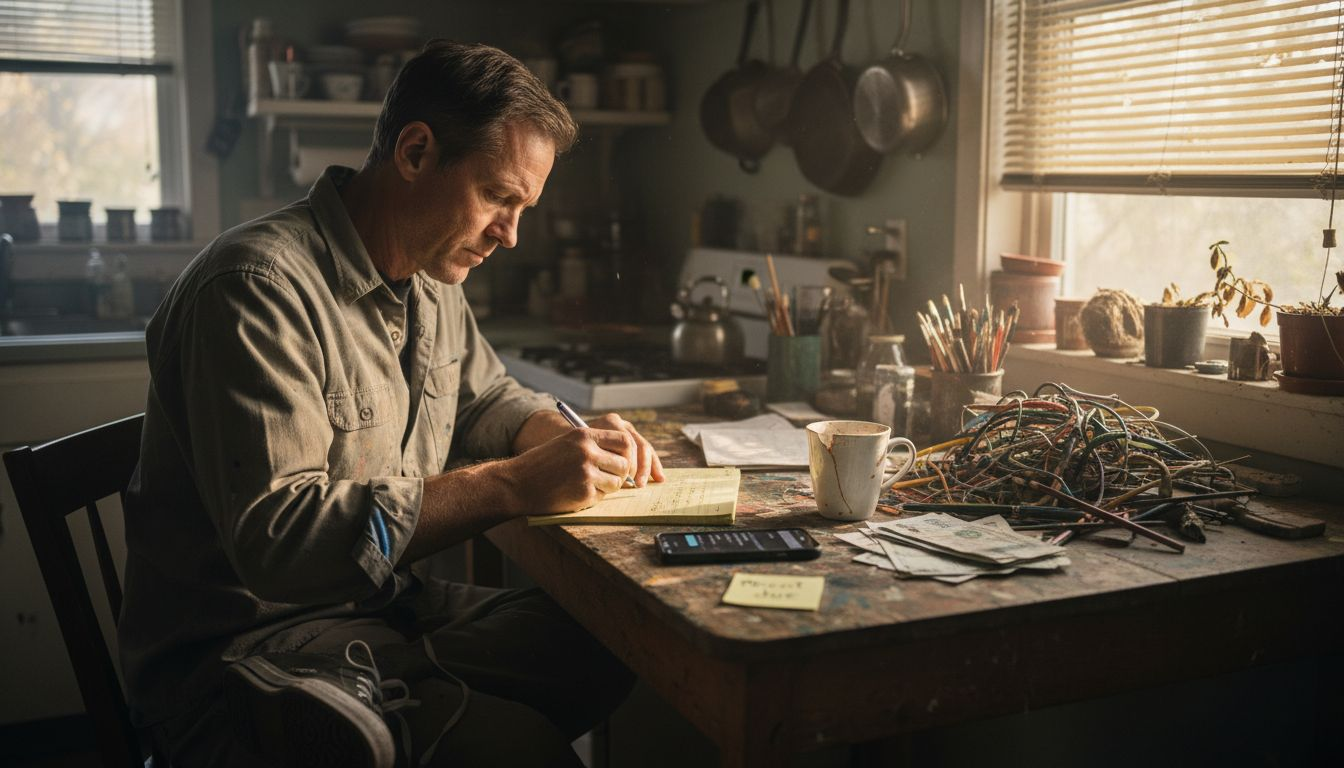
Market saturation intensifies competition dramatically. Online platforms enable anyone to share work globally, flooding markets with content. Standing out requires not just skill but strategic branding, consistent social media presence, and networking savvy. Artists compete for attention in overcrowded digital spaces where algorithms favor consistent posting and engagement. This constant demand for visibility exhausts many creators who prefer studio time over self-promotion.
Mental health challenges accompany these pressures. Burnout from balancing creation, marketing, and financial survival affects many artists. Identity fatigue from constant self-promotion blurs the line between authentic expression and market performance. The solitary nature of studio work can breed isolation and self-doubt. Artists face these compounded stresses while often lacking traditional workplace support systems like health insurance or paid leave.
Generative AI disrupts traditional creative markets profoundly. Questions arise about originality when machines produce images in seconds. Copyright concerns complicate ownership of AI-assisted work. Some collectors question the value of human-made art when AI alternatives cost less. Yet this same disruption creates opportunities: demand grows for provably handcrafted work, and artists who master AI as a tool gain competitive advantages. Navigating visual storytelling challenges becomes even more critical in this context, while emerging artist tips offer pathways through competitive landscapes.
Key challenges include:
- Unstable income requiring multiple revenue streams
- Overcrowded markets demanding strong branding and visibility
- AI-generated art raising originality and value questions
- Mental health risks from isolation and constant pressure
- Rising operational costs squeezing profit margins
Goal setting and productivity strategies for artists
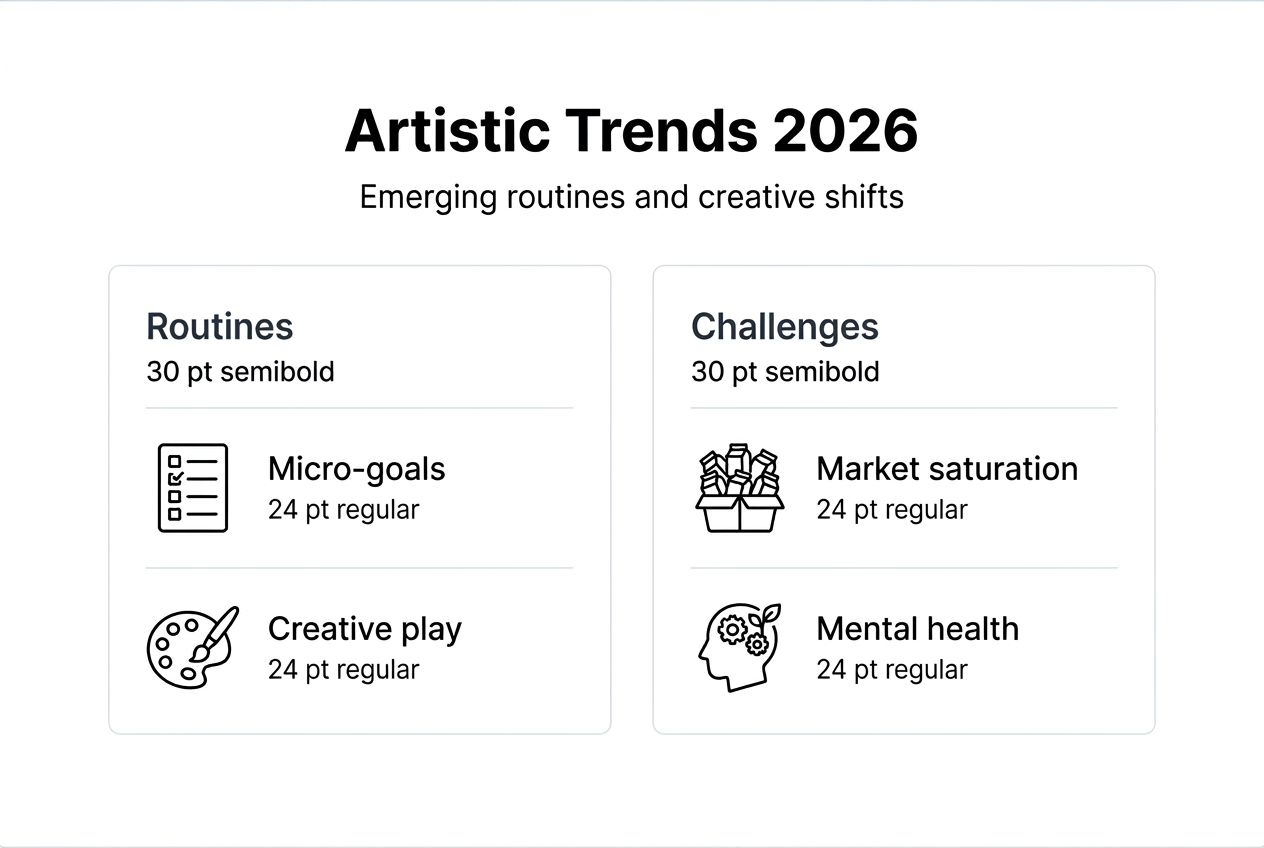
Micro-goals transform artistic ambitions into achievable daily actions. Instead of “finish a gallery-worthy series,” micro-goals specify “sketch three composition studies today.” This specificity reduces overwhelm and provides clear direction. Achievable targets build momentum through small wins, maintaining motivation over long projects. Micro-goals also allow flexibility: missing one day doesn’t derail entire projects.
Mega-goals, while inspiring, often paralyze. Their scale feels insurmountable, triggering procrastination or anxiety. Breaking them into micro-steps makes progress tangible and measurable. Guided workbooks with monthly checkpoints help artists track incremental advancement, celebrating small victories that sustain long-term commitment.
Comparing outcomes reveals striking differences:
| Approach | Completion Rate | Burnout Risk | Creative Exploration |
|---|---|---|---|
| Micro-goals | 73% projects finished | Low due to manageable pace | High; encourages experimentation |
| Mega-goals only | 31% projects finished | High from overwhelm | Low; pressure limits risk-taking |
Micro-goals offer multiple advantages:
- Momentum builds through consistent small achievements
- Reduced burnout from realistic, sustainable pacing
- Creative exploration thrives without pressure for perfection
- Clear daily direction eliminates decision paralysis
For artists seeking structured support, an art journaling workbook combines goal tracking with creative exploration. Research shows structured trackers improve sustained growth compared to unplanned approaches.
Pro Tip: Break artistic projects into daily 15-minute tasks. This micro-commitment feels achievable even on busy days, building sustainable momentum that compounds into significant progress over weeks and months.
Artistic trends shaping the artist’s life in 2026
Tactile authenticity dominates current preferences. Audiences increasingly value visible brushstrokes, texture, and evidence of the artist’s hand. This rise in handcrafted, imperfect art counters the polished perfection of digital and AI-generated imagery. Collectors seek works that feel human, with quirks and irregularities that machines cannot replicate. This shift validates traditional techniques and encourages artists to embrace imperfection as authenticity.
Personal narrative embedded in artwork gains prominence. Viewers want to connect with the story behind the piece, the artist’s journey, or the cultural context it represents. This demand for meaning influences how artists conceptualize projects, often integrating autobiography, social commentary, or emotional exploration. Marketing emphasizes storytelling as much as visual appeal, requiring artists to articulate their creative intentions clearly.
These trends directly shape artistic decisions. Material choices favor tactile media: oil paint, printmaking, ceramics, and fiber arts experience renewed interest. Artists prioritize developing distinctive personal styles over following trends, knowing authenticity attracts engaged audiences. The market rewards vulnerability and experimentation over technical perfection alone.
Key trend influences include:
- Handcrafted art popularity rising against digital saturation
- Shift from digital polish toward visible creative process
- Demand for storytelling and personal narrative in artworks
- Value placed on human imperfection as authenticity marker
Exploring best art exhibitions reveals how curators showcase these emerging preferences, offering artists insight into what resonates with contemporary audiences.
The role of community and networking in artistic growth
Creative communities provide essential infrastructure for artistic careers. Feedback from peers identifies blind spots and strengthens work. Encouragement during difficult periods maintains motivation when self-doubt strikes. Accountability structures, like critique groups or shared studio sessions, combat procrastination and isolation. Active community engagement measurably improves both productivity and well-being.
The solitary nature of studio practice makes community even more critical. Without colleagues or regular social interaction, artists risk isolation that breeds doubt and stagnation. Networks offer reality checks, industry knowledge, and emotional support unavailable elsewhere. They also open collaborative opportunities that expand creative possibilities and audience reach beyond what individuals achieve alone.
Diverse community types serve different needs. Online forums connect artists globally, offering 24/7 access to advice and camaraderie. Local groups provide in-person interaction and regional networking opportunities. Art collectives share resources like studio space, exhibitions, and promotional efforts, reducing individual costs while amplifying visibility.
Community benefits include:
- Constructive feedback improving technical skills and conceptual depth
- Emotional support reducing isolation and maintaining motivation
- Knowledge sharing about materials, techniques, and business practices
- Collaboration opportunities expanding creative and commercial possibilities
- Accountability structures encouraging consistent productivity
For those ready to engage, resources on joining art communities offer starting points. Comic artist networking tips and underground art community guides address niche needs within broader artistic networks.
Common misconceptions about the artist’s life
Myth: Artists rely on sudden creative inspiration. Reality: Consistent practice and micro-goals foster creativity more reliably than waiting for erratic bursts of inspiration. Professionals treat creativity as a skill developed through regular exercise, not a mysterious force appearing randomly.
Myth: Talent alone determines success. Reality: Learned skills including marketing, networking, business management, and strategic planning matter as much as creative ability. Technical skill opens doors, but professional sustainability requires entrepreneurial competence. Many talented artists struggle financially while less technically gifted creators thrive through superior business acumen.
Myth: Art sales provide adequate income. Reality: Most artists require multiple revenue streams. Teaching, commissions, grants, licensing, and unrelated employment supplement inconsistent sales. Financial security demands diversification and planning beyond hoping for gallery representation or viral success.
| Misconception | Reality |
|---|---|
| Inspiration strikes randomly | Creativity develops through consistent daily practice and structured routines |
| Success requires innate talent | Business skills, networking, and marketing determine career sustainability |
| Art sales alone sustain careers | Multiple income streams and strategic financial planning are essential |
| Artists work when inspired | Professionals maintain regular schedules regardless of mood |
| Recognition comes from quality alone | Visibility requires active self-promotion and community engagement |
Key corrected beliefs:
- Creativity is a trainable skill enhanced by routine
- Professional success demands entrepreneurial competence
- Financial stability requires diversified income sources
- Consistent work schedules outperform inspiration-dependent approaches
Practical takeaways for aspiring and enthusiastic artists
Establish consistent creative times, whether daily or weekly, and protect them fiercely. Treat these appointments as non-negotiable commitments to your growth. Dedicated workspaces, even small corners, reduce friction and signal your brain that focused work begins. Physical separation between creative space and living space helps maintain boundaries and prevents burnout.
Adopt micro-goals that specify achievable daily or weekly actions. Replace vague ambitions like “improve drawing” with concrete targets: “complete five gesture drawings today.” Small wins accumulate into significant progress while maintaining motivation through visible advancement. This approach prevents the paralysis of overwhelming long-term goals.
Join artist communities actively, whether online forums, local groups, or formal collectives. Seek critique partners who challenge you constructively. Share struggles and victories with peers who understand the unique demands of creative careers. These relationships provide accountability, knowledge, emotional support, and collaborative opportunities unavailable in isolation.
Prioritize mental health through scheduled rest, reflection, and stress relief activities. Recognize that burnout undermines creativity more than any external obstacle. Build recovery time into schedules. Practice mindfulness, exercise, or hobbies unrelated to art to maintain perspective and emotional balance.
Actionable steps:
- Schedule specific creative blocks and honor them consistently
- Break projects into micro-goals with daily achievable targets
- Engage community through joining art groups actively
- Maintain mental wellness with regular rest and self-care routines
Pro Tip: Use art journaling as a dual-purpose tool for creative exploration and mental wellness, allowing low-pressure experimentation while processing emotions and stress.
Explore resources to support your artistic journey
Navigating the artist’s life in 2026 requires not just inspiration but practical tools, community connections, and ongoing learning. The Mansion Press offers curated resources designed to support your creative development at every stage. Whether you’re establishing daily routines, seeking community, or exploring stress-relief techniques, you’ll find articles and guides tailored to the real challenges facing today’s artists.
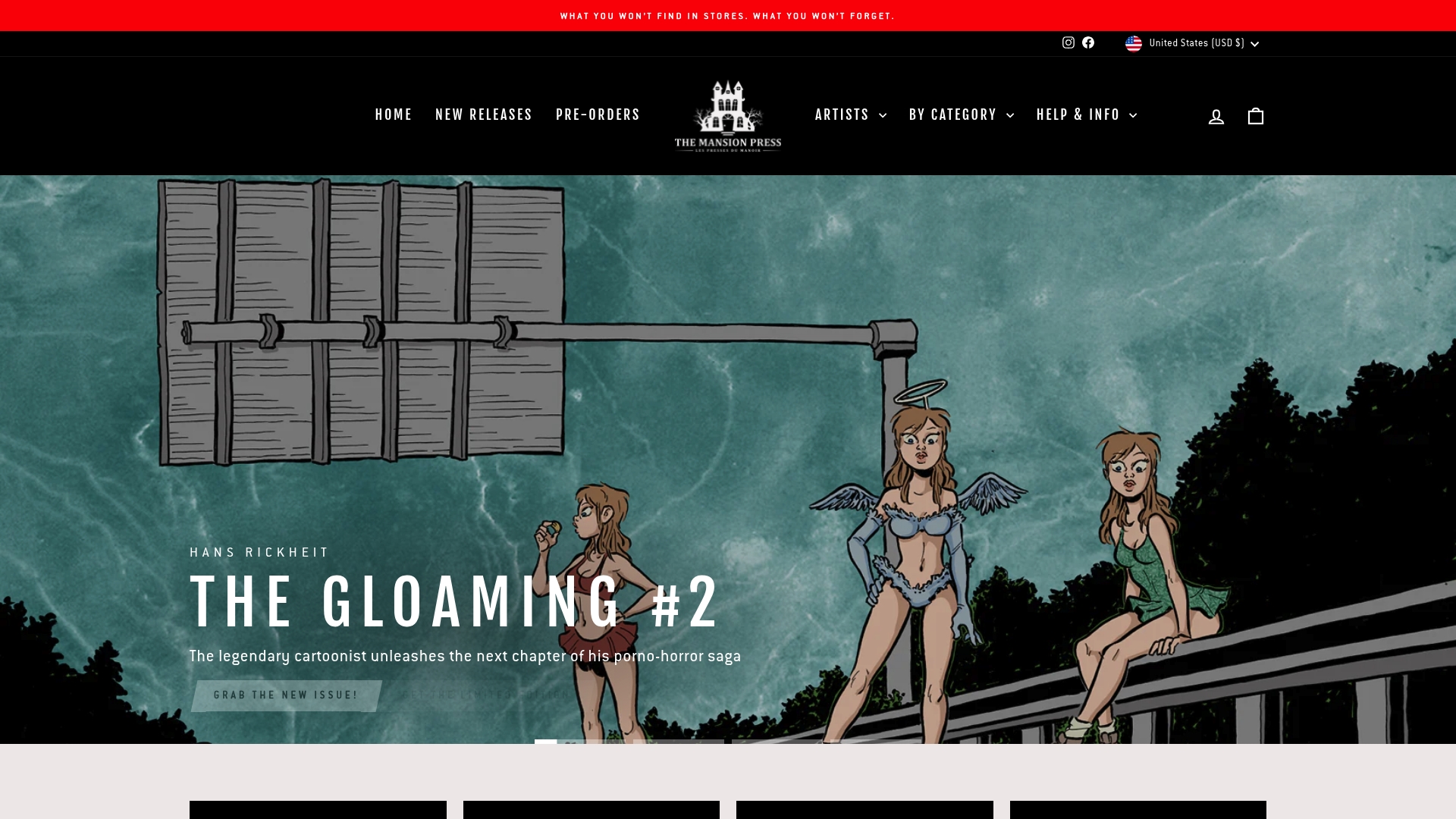
Explore comprehensive guidance on joining art communities to build the supportive networks essential for sustained growth. Discover how art journaling reduces stress while nurturing creativity through low-pressure practice. These resources complement the strategies outlined here, providing actionable next steps for transforming insights into concrete artistic progress. Your creative journey deserves support that understands both the passion and pragmatism required to thrive as an artist today.
Frequently asked questions
What does a typical day in the life of an artist look like?
Typical days include morning routines that set creative intentions, dedicated studio sessions for focused work, and administrative tasks like responding to emails or managing social media. Artists balance creation with marketing, networking, and business management. Regular breaks for mental health, exercise, or inspiration-gathering walks maintain sustainable productivity without burnout.
How do artists manage financial instability in their careers?
Artists diversify income through multiple streams: freelance commissions, teaching workshops, grants, part-time employment, and licensing work. Budgeting and financial planning become essential skills, often involving emergency funds for lean periods. Many develop business acumen in pricing, contracts, and self-promotion to maximize earning potential while protecting creative integrity.
In what ways has AI changed artistic creativity and market demand?
AI-generated art challenges traditional notions of originality and shifts market dynamics by offering low-cost alternatives. Some artists embrace AI as a tool for ideation or production efficiency, while others emphasize the irreplaceable value of human imperfection and emotional depth. The market increasingly values provably handcrafted work as a counterbalance to algorithm-generated content.
Why is community important for an artist’s growth?
Community provides crucial feedback that improves technical skills and conceptual development. Accountability structures maintain motivation and productivity during difficult periods. Emotional support from peers who understand creative challenges reduces isolation inherent in studio practice. Networking opens collaboration opportunities and audience reach impossible to achieve alone.
What are effective mental health strategies for artists?
Scheduling regular rest, creative breaks unrelated to production goals, and self-care routines prevents burnout from constant pressure. Practices like art journaling, mindfulness meditation, and physical exercise maintain emotional balance. Setting boundaries between work and personal time protects mental space. Seeking community support and professional help when needed addresses isolation and stress proactively.