Start an Art Collective: 60% Avoid Failure in 2026
Starting an art collective can feel overwhelming when you lack a clear roadmap. Many independent artists dream of building a collaborative community but struggle with legal structures, funding, and governance. This guide cuts through the confusion with actionable steps grounded in 2026 best practices. You’ll learn how to define your mission, register your collective, secure diverse funding, and engage your community effectively to create a sustainable art collective that thrives.
Table of Contents
- Prerequisites And What You Need
- Step-By-Step Process To Form An Art Collective
- Funding And Sustainability Strategies
- Community Engagement And Promotion
- Common Mistakes And Troubleshooting
- Expected Results And Success Benchmarks
- Discover Supportive Resources To Elevate Your Art Collective
- Frequently Asked Questions
Key Takeaways
| Point | Details |
|---|---|
| Clear mission boosts success | Over 85% of successful collectives have documented mission and governance structures from the start. |
| Legal registration unlocks funding | Registering legal status increases funding opportunities by 60% and opens grant access. |
| Diversified revenue extends lifespan | Diversifying income streams increases survival by 50% compared to grant-only models. |
| Community engagement drives attendance | Social media and local partnerships boost event attendance by up to 70%. |
| Poor planning causes early failure | Collectives lacking clear funding plans face a 60% early abandonment rate within two years. |
Prerequisites and What You Need
Before launching your art collective, lay a solid foundation to maximize your chances of long-term success. Skipping these essentials often leads to confusion, conflict, and early dissolution.
First, define a clear mission and shared values. Your mission answers why your collective exists and what artistic or community goals you pursue. Shared values ensure every member aligns on creative philosophy, collaboration style, and commitment level. Document these in a simple one-page charter that everyone signs. This clarity prevents future disputes and attracts members who genuinely fit your vision.
Next, understand legal structures and their implications. You can start as an informal group with no paperwork, which works for small, casual collaborations. However, registering as a nonprofit or formal entity increases funding opportunities by 60% because grants and sponsorships often require legal recognition. Research your local requirements for nonprofit status, unincorporated associations, or cooperatives. Each structure affects taxes, liability, and administrative burden differently.
Build an initial network of committed members and community partners. Start with three to five passionate artists who share your mission. Quality matters more than quantity at this stage. Also identify local arts organizations, galleries, or cultural centers willing to support or collaborate with your collective. These partnerships provide credibility and access to resources like exhibition spaces or mentorship.
Develop a preliminary budget or funding concept. Estimate startup costs such as registration fees, website hosting, initial event expenses, and basic supplies. Even a rough budget helps you understand financial needs and plan fundraising strategies. Consider revenue sources like membership dues, workshop fees, merchandise sales, and grant applications.
Pro Tip: Join existing art communities online and offline to learn from established collectives. Observe their structures, attend their events, and ask questions. This research saves you from reinventing the wheel and reveals what works in your region.
Key prerequisites checklist:
- Documented mission statement and shared values signed by founding members
- Understanding of legal structures available in your jurisdiction
- Core group of three to five committed artists aligned on vision
- List of potential community partners and supporters
- Preliminary budget outlining startup costs and revenue ideas
With these foundations in place, you’re ready to move from planning to action. The next step is executing a structured formation process that transforms your vision into a functioning collective.
Step-by-Step Process to Form an Art Collective
Forming an art collective requires deliberate steps executed in the right order. Follow this process to launch your collective efficiently and avoid common pitfalls.
-
Define mission and shared goals clearly before all else. Gather your founding members for a brainstorming session. Write down your collective’s purpose, artistic focus, target audience, and core values. Keep it concise. A strong mission statement is one to two sentences that anyone can remember and repeat. For example: “We create accessible public murals that celebrate immigrant stories in our neighborhood.” This clarity guides every decision you make later.
-
Choose the legal structure fitting your collective size and goals. If you plan to stay small and informal, an unregistered group works initially. However, if you want to apply for grants, own property, or limit personal liability, register as a nonprofit, cooperative, or LLC depending on your jurisdiction. Registering legal status increases funding opportunities by 60% and improves stability by 40%. Consult a lawyer or use free resources from local arts councils to understand which structure suits your needs.
-
Complete registration to unlock funding grants and formalize operations. Once you choose a structure, file the necessary paperwork with your local or national authorities. This typically includes articles of incorporation, bylaws, and tax-exempt status applications if pursuing nonprofit designation. The process takes anywhere from a few weeks to several months, so start early. Registration legitimizes your collective in the eyes of funders and partners.
-
Establish governance roles and communication protocols to prevent conflicts. Assign clear roles such as coordinator, treasurer, communications lead, and event organizer. Rotate roles annually to prevent burnout and share responsibility. Set up regular meeting schedules, whether weekly, biweekly, or monthly. Use collaborative tools like shared calendars, project management apps, and group chats to keep everyone informed. Transparent communication prevents misunderstandings that derail collectives.
-
Recruit members who share the collective vision and values. Once your structure is in place, open applications or invite artists you admire. Screen candidates to ensure alignment on mission and commitment level. Some collectives use trial periods where new members participate for three to six months before gaining full membership. This approach protects your culture and ensures serious participants.
-
Plan and launch your first event within six to twelve months. Nothing builds momentum like a public exhibition, workshop, or community mural project. Your first event doesn’t need to be large or expensive. Focus on quality and community engagement. Use the event to introduce your collective, demonstrate your artistic vision, and attract supporters. Document everything with photos and videos for future promotion.
Pro Tip: Leverage networking as an artist strategies to recruit members and partners. Attend local art events, introduce yourself confidently, and follow up with genuine interest in collaboration. Personal connections often lead to the strongest collective bonds.
| Structure Type | Best For | Pros | Cons |
|---|---|---|---|
| Informal Group | Small, casual collaborations under 5 members | Easy setup, no paperwork, flexible | No legal protection, limited funding access |
| Nonprofit | Collectives seeking grants and tax-exempt status | Grant eligibility, tax benefits, credibility | Complex paperwork, annual reporting requirements |
| Cooperative | Member-owned collectives sharing profits equally | Democratic control, profit sharing | Requires business management skills |
| LLC | Collectives with commercial activities | Liability protection, flexible management | Costs more, not eligible for some grants |
With your collective legally formed and structured, the next challenge is securing sustainable funding to keep operations running and projects flowing.
Funding and Sustainability Strategies
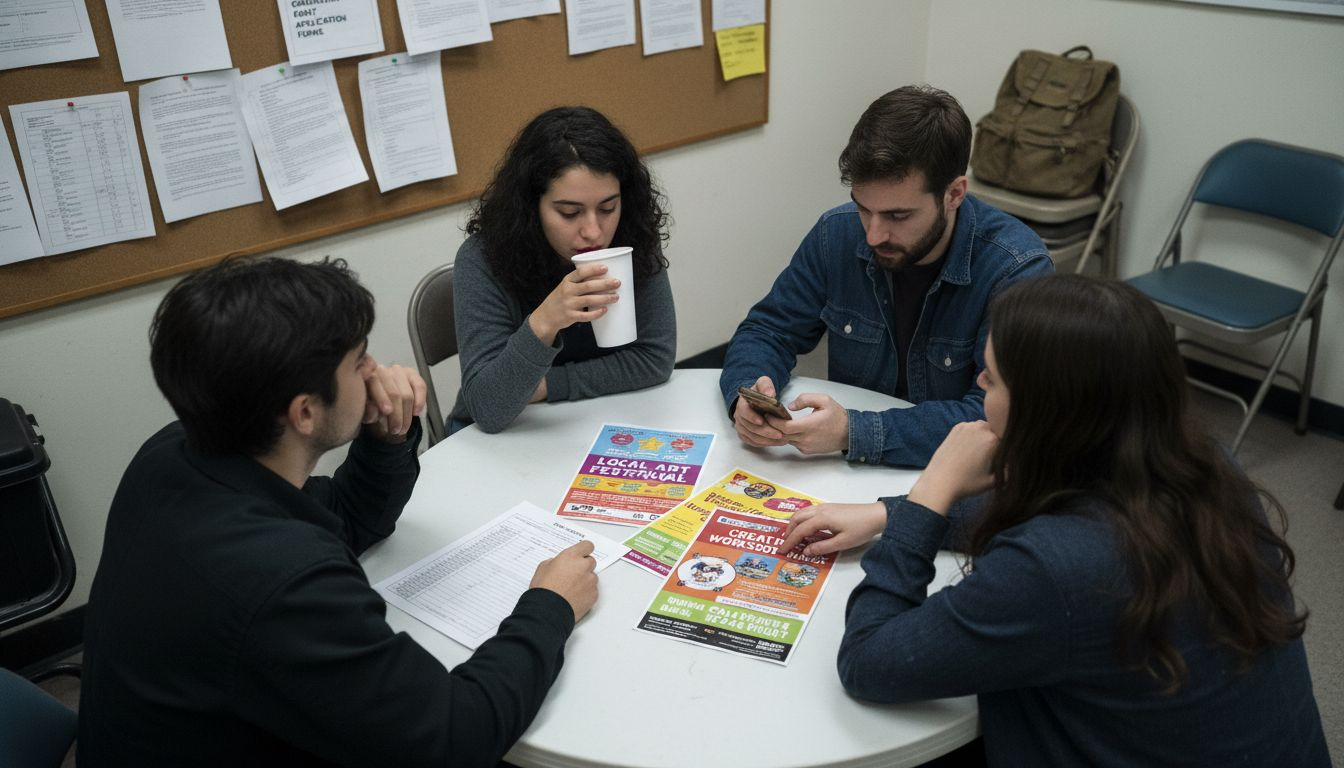
Financial sustainability determines whether your art collective thrives or dissolves within two years. Diversifying income streams increases survival by 50% compared to relying solely on grants. Build a funding plan that mixes multiple revenue sources.
Start with grants tailored to arts collectives. Research opportunities from local arts councils, national endowments, private foundations, and corporate sponsorships. Most grants require legal nonprofit status, which is why registration matters. Write compelling grant applications that clearly articulate your mission, community impact, and budget needs. Expect rejection initially. Persistence pays off as you refine your proposals.
Host fundraising events that double as community engagement opportunities. Art auctions, benefit concerts, gallery nights with ticketed admission, and crowdfunding campaigns all generate revenue while raising awareness. Make these events enjoyable and accessible to attract diverse supporters. Offer tiered pricing or pay-what-you-can options to include everyone.
Sell merchandise featuring your collective’s artwork. T-shirts, prints, stickers, tote bags, and zines turn your art into tangible products supporters can purchase. Set up an online shop or sell at events. Merchandise provides passive income and free advertising when people wear or display your designs.
Explore crowdfunding platforms like Kickstarter, Patreon, or GoFundMe for specific projects or ongoing support. Successful campaigns tell a compelling story, offer attractive rewards, and engage backers with regular updates. Crowdfunding works best when you already have an engaged community willing to support your vision.
Seek partnerships for sponsorship and in-kind support. Local businesses may provide free or discounted studio space, materials, printing services, or event venues in exchange for promotion. Arts organizations might offer mentorship, equipment loans, or collaborative opportunities. These partnerships reduce costs without requiring cash.
Maintain transparent financial records to build member and supporter trust. Use accounting software or spreadsheets to track income and expenses. Share financial reports with members quarterly and with funders annually. Transparency prevents suspicion and demonstrates responsible stewardship of resources.
Pro Tip: Avoid sole dependence on a single funding source. If your main grant gets cut or your biggest sponsor withdraws, diversified revenue keeps you afloat. Aim for at least three distinct income streams within your first year.
Key funding strategies:
- Apply to arts grants from local, regional, and national sources
- Host ticketed fundraising events that engage your community
- Sell branded merchandise and original artworks online and offline
- Launch crowdfunding campaigns for specific projects with clear goals
- Build partnerships with local businesses and arts organizations for in-kind support
- Charge membership dues or workshop fees to create predictable recurring revenue
For additional community funding insights, explore how other art communities sustain themselves through creative revenue models. With funding secured, your next priority is building visibility and engagement to grow your collective’s impact.
Community Engagement and Promotion
Visibility and active participation determine whether your collective becomes a vibrant community hub or fades into obscurity. Social media and local partnerships boost event attendance by up to 70% when used strategically.
Leverage social media platforms where your target audience spends time. Instagram works well for visual artists showcasing work-in-progress shots, finished pieces, and behind-the-scenes content. Facebook events and groups help organize community gatherings and discussions. TikTok and YouTube attract younger audiences with short videos demonstrating techniques or documenting projects. Post consistently, engage with comments, and use relevant hashtags to expand reach.
Build partnerships with local businesses, galleries, schools, and cultural centers. Collaborate on joint events, cross-promote on social media, and offer workshops at partner locations. These partnerships introduce your collective to established audiences and provide credibility. Approach potential partners with clear mutual benefits, not just requests for free space or promotion.
Host regular workshops and exhibitions to nurture community bonds. Monthly or quarterly events create anticipation and routine. Workshops generate revenue while teaching skills and welcoming newcomers. Exhibitions showcase your collective’s work and invite public feedback. Consistency builds a loyal following that attends every event.
Use digital tools to facilitate wider collaboration inside and outside your collective. Shared project management platforms like Trello, Asana, or Notion keep everyone aligned on tasks and deadlines. Video calls enable remote members to participate fully. Online galleries or portfolios hosted on your website showcase work to global audiences. Email newsletters keep supporters updated on upcoming events and opportunities to get involved.
Engage your local media for coverage. Send press releases to neighborhood newspapers, arts bloggers, and community radio stations announcing major events or milestones. Offer exclusive interviews or behind-the-scenes access to journalists. Media coverage amplifies your reach far beyond your social media followers.
Pro Tip: Create a content calendar planning social media posts, events, and promotional activities three months ahead. This prevents last-minute scrambling and ensures consistent engagement. Assign team members to specific content creation and posting responsibilities.
Community engagement tactics:
- Post authentic, engaging content on Instagram, Facebook, and TikTok three to five times weekly
- Partner with local galleries, cafes, and cultural centers for joint events and cross-promotion
- Host monthly workshops or exhibitions to build routine and anticipation
- Use collaborative digital tools for project management and remote participation
- Send press releases to local media for event coverage and collective spotlights
For more community engagement tips, explore proven methods other artists use to grow their audiences. Understanding promotion sets the stage for recognizing and correcting common organizational mistakes covered next.
Common Mistakes and Troubleshooting
Many art collectives fail within two years due to preventable errors. Recognizing these pitfalls early and implementing fixes dramatically improves your chances of success.
-
Undefined roles and poor communication cause half of all collective failures. Without clear responsibilities, tasks fall through cracks, members feel resentful, and conflicts escalate. Establish governance roles immediately and document who does what. Hold regular meetings with agendas and minutes. Use communication platforms everyone checks daily. When conflicts arise, address them directly and respectfully rather than letting resentment fester.
-
Neglecting intellectual property agreements delays projects. Disputes over artwork ownership, profit sharing, and usage rights paralyze collectives. Create simple IP agreements from the start that specify how collaborative works are owned and how individual works are credited. Consult a lawyer to draft a template agreement all members sign. This clarity protects everyone and enables smooth project execution.
-
Starting without sustainable funding plans causes 60% of early abandonment. Art collectives lacking clear funding plans face a 60% early abandonment rate within two years. Develop a realistic budget and diversified revenue strategy before launching publicly. Revisit and adjust your funding plan quarterly based on actual income and expenses. Financial stress kills creativity and commitment faster than any other factor.
-
Ignoring member burnout leads to mass departures. Passionate founders often overcommit, working unsustainably long hours until exhaustion forces them to quit. Rotate leadership roles, delegate tasks fairly, and encourage members to take breaks when needed. Build a culture where saying no to additional responsibilities is acceptable. A healthy collective values member wellbeing over constant productivity.
-
Failing to evaluate and adapt stagnates growth. Collectives that never assess what works and what doesn’t repeat mistakes indefinitely. Schedule quarterly retrospectives where members honestly discuss successes, failures, and needed changes. Use feedback to refine your mission, programming, and operations. Adaptation keeps your collective relevant and responsive to community needs.
Pro Tip: Establish a conflict resolution process before conflicts arise. Designate a neutral mediator, set ground rules for difficult conversations, and commit to resolving disagreements constructively. For deeper guidance, explore conflict management in art collectives strategies that maintain harmony while addressing real issues.
Common mistakes checklist:
- Assign clear roles with documented responsibilities to prevent task ambiguity
- Draft and sign IP agreements covering collaborative and individual work ownership
- Develop a diversified funding plan with at least three revenue streams
- Rotate leadership and delegate tasks to prevent founder burnout
- Hold quarterly retrospectives to evaluate progress and adapt strategies
Avoiding these mistakes positions your collective for sustainable growth. Next, learn what success looks like with measurable benchmarks and realistic timelines.
Expected Results and Success Benchmarks
Setting measurable goals helps you track effectiveness and growth. Successful art collectives in 2026 typically achieve these benchmarks within their first two years.
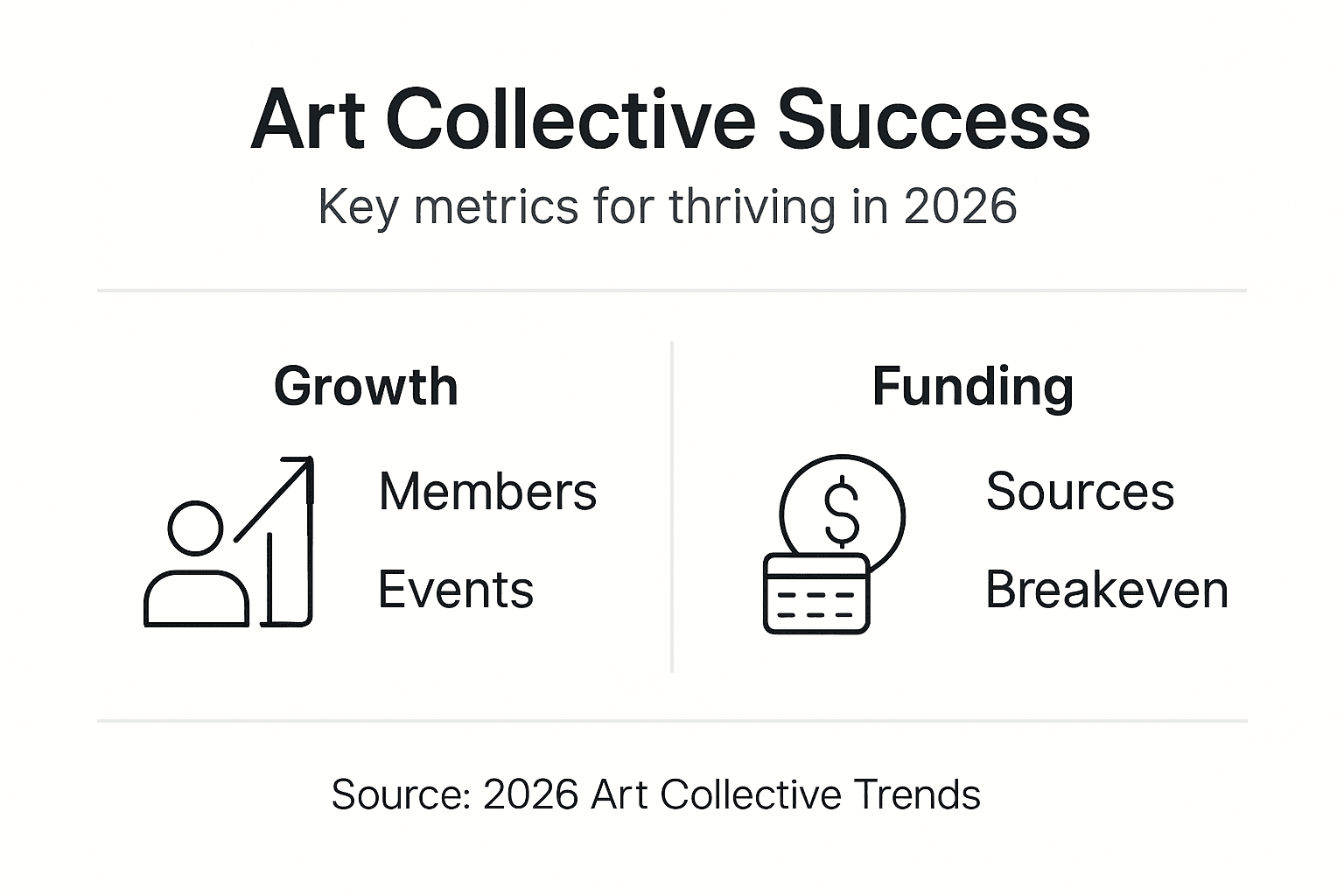
Target 20% annual membership growth to sustain momentum. Start with your founding group of three to five members. By year one, aim for six to eight active members. By year two, reach eight to twelve members. Growth validates your mission and brings fresh perspectives and skills. However, prioritize quality over quantity. A small, committed group outperforms a large, disengaged one.
Aim to host one to two community events per month to maintain engagement. These can include workshops, exhibitions, collaborative projects, or social gatherings. Consistent programming keeps your collective visible and gives supporters regular opportunities to participate. Track attendance and feedback to refine future events.
Strive for 15% quarterly growth in social media followers and interactions as a visibility metric. Monitor followers, post engagement (likes, comments, shares), and website traffic. Growing online presence indicates expanding awareness and interest. Use analytics tools to identify which content resonates most and double down on successful formats.
Secure at least two sustainable funding sources by the end of year one. This might include a grant, merchandise sales, workshop fees, or sponsorships. Diversified funding reduces financial vulnerability and demonstrates viability to future supporters.
Achieve financial breakeven or modest surplus by the end of year two. This means revenue covers all expenses without members subsidizing operations from personal funds. Surplus allows investment in better equipment, larger projects, or emergency reserves.
| Metric | Year 1 Target | Year 2 Target | How to Measure |
|---|---|---|---|
| Active Membership | 6 to 8 members | 8 to 12 members | Count members attending 75% of meetings |
| Monthly Events | 1 to 2 events | 2 to 3 events | Track hosted workshops, exhibitions, projects |
| Social Media Followers | 15% quarterly growth | 15% quarterly growth | Monitor Instagram, Facebook, TikTok analytics |
| Funding Sources | 2 distinct sources | 3+ distinct sources | List active grants, sales, fees, sponsorships |
| Financial Status | Revenue covers 80% costs | Breakeven or surplus | Compare total income to total expenses |
| Community Partnerships | 2 to 3 partners | 4 to 6 partners | Count active collaborations with organizations |
These benchmarks provide realistic expectations while allowing flexibility based on your collective’s unique context. Adjust targets based on your resources, location, and artistic focus. Regular tracking keeps your team accountable and motivated.
Discover Supportive Resources to Elevate Your Art Collective
Building a thriving art collective requires continuous learning and connection to broader creative communities. The Mansion Press offers valuable resources that complement your collective’s growth journey.
Explore practical guides on joining art communities to understand how established groups foster collaboration and engagement. These insights help you avoid common pitfalls and adopt proven strategies from successful collectives worldwide.
If your collective plans to publish artbooks, zines, or collaborative portfolios, discover DIY artbook publishing tips that cover design, printing, and distribution. Self-publishing empowers your group to share work professionally without relying on traditional publishers.
For collectives focused on comics or graphic novels, the graphic novel collection guide provides inspiration on curating and showcasing sequential art that resonates with audiences. These resources complement the foundational steps covered in this article, helping you expand your collective’s creative reach and visibility.
Frequently Asked Questions
How many members do you need to start an art collective?
You can start with as few as three committed members who share a clear mission and values. Quality matters more than quantity initially. Focus on finding passionate artists aligned on vision before expanding.
Do art collectives need legal registration?
Registration is not mandatory for informal groups but highly recommended if you plan to apply for grants or own property. Registering legal status increases funding opportunities by 60% and provides liability protection.
What is the biggest reason art collectives fail?
Collectives lacking clear funding plans face a 60% early abandonment rate within two years. Undefined roles and poor communication also cause half of all collective failures. Address these from the start.
How long does it take to establish a successful art collective?
Expect six to twelve months to complete legal registration, recruit members, and launch your first event. Achieving financial sustainability and stable membership typically takes two years of consistent effort and adaptation.
Can art collectives make money?
Yes, through diversified revenue streams including grants, merchandise sales, workshop fees, crowdfunding, and sponsorships. However, most collectives reinvest earnings into projects rather than distributing profits to members.
How do you handle conflicts within an art collective?
Establish a conflict resolution process early with a neutral mediator and clear ground rules. Address disagreements directly and respectfully through regular communication. Transparent governance and rotating roles prevent many conflicts before they arise.
Recommended
- How to Join Art Communities: Connect and Collaborate in 2025 – The Mansion Press
- How to Network as a Comic Artist for Creative Success – The Mansion Press
- Overcoming the Challenge of Visual Storytelling in Art – The Mansion Press
- Creating Avant Garde Comics: A Complete Step-by-Step Guide – The Mansion Press
- Laboratori ceramica: +30% creatività e -40% stress provati – Club Joy