How to Network as a Comic Artist for Creative Success
Most american comic artists discover that connecting with industry professionals is about much more than showcasing raw talent. Over 200,000 visitors attend leading comic festivals each year, highlighting the growing importance of strong networking and personal branding. Whether you are building your portfolio, researching high impact events, or reaching out to collectors, mastering these essential steps can open real doors and help your comic art stand out in a crowded market.
Table of Contents
- Step 1: Define Your Professional Identity And Creative Goals
- Step 2: Research Key Art And Comic Industry Events
- Step 3: Build An Engaging Online Portfolio And Profiles
- Step 4: Initiate Conversations With Artists And Collectors
- Step 5: Follow Up And Nurture Professional Relationships
Quick Summary
| Key Point | Explanation |
|---|---|
| 1. Define your artistic identity | Understand your artistic vision and document your narrative techniques to establish a strong professional brand. |
| 2. Research industry events | Identify major comic conventions and festivals to network and connect with artists and publishers relevant to your style. |
| 3. Build an engaging online portfolio | Create a dynamic online presence showcasing your best work, narrative approach, and creative process to attract collaborators. |
| 4. Initiate genuine conversations | Approach artists and collectors with authentic interest in their work to foster meaningful professional connections. |
| 5. Follow up on connections | Maintain relationships through personalized communication, sharing updates and relevant insights to deepen your networking efforts. |
Step 1: Define your professional identity and creative goals
Successful comic artists recognize that defining a clear professional identity is more than just drawing skills — it’s about understanding your unique artistic vision and strategic career trajectory. The Yodex design exhibition highlights how emerging artists can effectively establish their professional brand and creative objectives.
Start by conducting an honest self assessment of your artistic strengths. What visual storytelling techniques make your work distinctive? Are you drawn to gritty noir narratives, whimsical character designs, or intricate world building? Documenting these creative preferences helps crystallize your professional persona.
 Consider creating a portfolio that showcases not just technical skill, but your narrative sensibilities and thematic interests.
Pro tip: Developing a professional identity requires continuous refinement. Document your artistic journey through consistent work samples, experiment boldly with different styles, and remain open to evolving your creative approach. As research from arxiv suggests, modern comic creation increasingly involves collaborative approaches that blend individual creativity with innovative generative techniques.
Your next step is building networks that align with your newly defined professional goals — connecting with artists, publishers, and platforms that appreciate your unique creative perspective.
Step 2: Research key art and comic industry events
Researching key art and comic industry events is critical for expanding your professional network and understanding current trends in the comic world. Large scale events offer unparalleled opportunities to connect with fellow artists, publishers, and potential collaborators who can help advance your creative career.
Start by identifying major comic conventions and festivals. Events like the MCM Comic Con London attract over 130,000 attendees and provide excellent networking platforms for emerging artists. Similarly, the Angoulême International Comics Festival draws more than 200,000 visitors annually, making it a prime destination for professional connections. Create a comprehensive event calendar that includes both international and local comic gatherings, prioritizing those that align with your specific artistic style and career goals.
Pro tip: Before attending any event, research the specific programming and exhibitor lists. Prepare a concise portfolio, business cards, and a clear elevator pitch about your artistic vision. Many artists make the mistake of simply showing up without a strategic plan. Instead, identify key panel discussions, portfolio review sessions, and networking opportunities that can provide meaningful professional exposure.
Your next move is to start preparing your portfolio and networking strategy for these events, ensuring you can make the most of every opportunity to showcase your unique comic art style.
Step 3: Build an engaging online portfolio and profiles
Creating a compelling online portfolio is your digital gateway to professional opportunities in the comic art world. Your digital presence serves as a dynamic showcase of your artistic capabilities, personality, and unique creative vision that can attract potential collaborators, publishers, and fans.
Research from Yodex emphasizes the importance of branding and professionalism for emerging artists. When developing your online portfolio, focus on curating a selection of your best work that demonstrates your range and storytelling capabilities. As insights from arxiv suggest, modern comic creation increasingly involves narrative complexity and innovative visual storytelling techniques. Leverage platforms like Behance, ArtStation, and personal websites to display your comic panels, character designs, and sequential art that highlight your distinctive narrative approach.
Pro tip: Your online portfolio should be more than a static image gallery. Include context about your creative process, inspiration behind your work, and the narrative techniques you employ. Many artists overlook the power of storytelling within their portfolio presentation itself. Create concise but engaging descriptions that provide insight into your artistic philosophy and the unique perspective you bring to comic art.
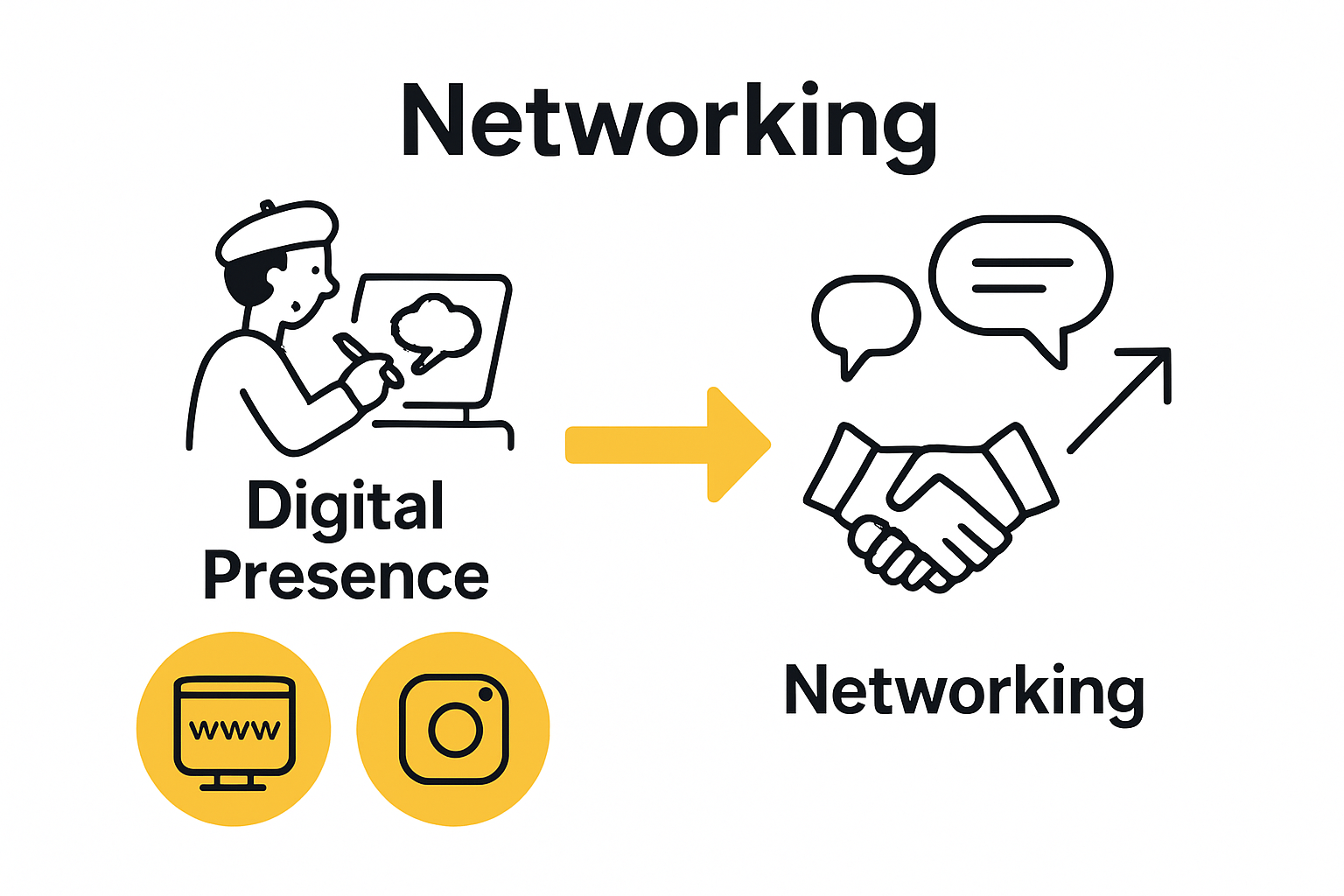
Your next step is to strategically promote your online portfolio across social media platforms and professional networks, ensuring your digital presence reaches the right audience and creates meaningful professional connections.
Step 4: Initiate conversations with artists and collectors
Initiating meaningful conversations with artists and collectors requires strategic approach and genuine curiosity about the comic art world. Your ability to connect authentically can transform professional networking from a daunting task into an exciting opportunity for creative collaboration.
Large industry events like the Angoulême International Comics Festival provide exceptional platforms for direct interaction. With over 200,000 annual visitors including professionals and journalists, these gatherings offer prime opportunities to engage with potential mentors and collaborators. Similarly, events like MCM Comic Con London attract diverse audiences where you can practice your conversational skills. When approaching artists or collectors, focus on showing genuine interest in their work rather than immediately promoting your own. Ask thoughtful questions about their creative process, recent projects, or perspectives on current comic art trends.
Pro tip: Prepare a concise but compelling introduction that highlights your unique artistic perspective. Many artists make the mistake of delivering a rehearsed pitch instead of having an authentic conversation. Your goal is to establish a genuine connection that could potentially evolve into a professional relationship. Remember that networking is about building mutual understanding and respect, not just self promotion.
Your next step is to follow up on these initial conversations, maintaining the connections you’ve established through professional and personalized communication.
Step 5: Follow up and nurture professional relationships
Nurturing professional relationships in the comic art world requires consistent, thoughtful communication that goes beyond initial interactions. Your ability to maintain meaningful connections can transform casual encounters into long term collaborative opportunities.
Research from Yodex emphasizes the importance of professionalism and internationalization for emerging artists. Similarly, insights from arxiv highlight the collaborative nature of modern creative processes. When following up with artists or collectors, craft personalized messages that reference specific details from your initial conversation. Share updates about your work that might genuinely interest them rather than sending generic communications. Consider sending digital portfolios that showcase your narrative development or innovative storytelling techniques.
Pro tip: Create a systematic approach to relationship management. Many artists neglect the subtle art of professional follow up by being either too aggressive or too passive. Set reminders to check in periodically without becoming intrusive. Share interesting industry insights, congratulate them on recent achievements, or reference a shared professional interest that demonstrates your authentic engagement.
Your next step is to continuously expand your professional network while maintaining the quality of your existing connections.
Unlock Your Comic Art Success by Connecting with Collectors and Fans
Networking as a comic artist comes with challenges like defining your unique style and building meaningful relationships that lead to creative success. The article highlights key goals such as creating an engaging portfolio, initiating authentic conversations, and nurturing lasting professional connections. If you are ready to showcase your artistic vision and connect directly with collectors and enthusiasts who value exclusive works your journey deserves a platform designed just for you.
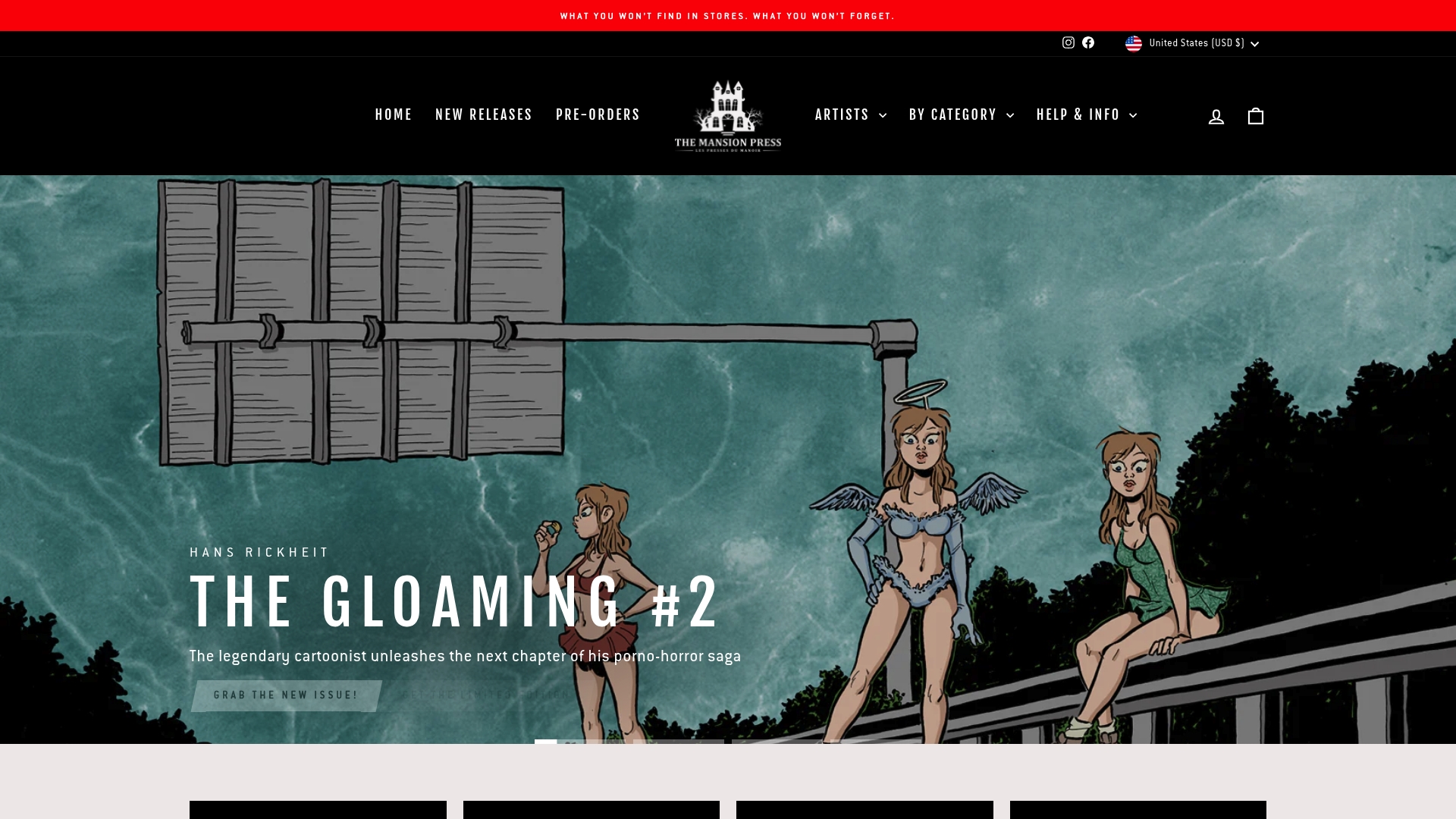
Explore a curated selection of limited-edition comics, original artworks, and artbooks on The Mansion Press. This is where independent artists meet passionate collectors worldwide. Take control of your narrative by presenting your art to an audience eager to discover fresh talent. Start building your presence now by visiting The Mansion Press and step into a vibrant community that supports your creative growth and professional goals. Your next big opportunity to connect and succeed is just a click away.
Frequently Asked Questions
How can I define my professional identity as a comic artist?
To define your professional identity, conduct a self-assessment to identify your artistic strengths and preferences. Document your unique storytelling techniques and styles in a portfolio that reflects your narrative sensibilities.
What major events should I attend to network as a comic artist?
Look for major comic conventions and festivals, as these events provide great networking opportunities. Start by creating a calendar of events that align with your artistic goals and research their programming to maximize your exposure.
How do I create an engaging online portfolio as a comic artist?
To create an engaging online portfolio, curate your best work that showcases your range and storytelling abilities. Include explanations of your creative process and the inspiration behind your work to provide context for viewers.
What are effective ways to approach conversations with other artists and collectors?
Approach conversations by showing genuine interest in the other person’s work instead of focusing solely on promoting your own. Prepare thoughtful questions to engage them about their creative process and recent projects, allowing for a deeper connection.
How can I follow up effectively after networking at events?
Follow up by sending personalized messages that reference specific details from your initial conversation. Plan to check in periodically by sharing updates about your work or industry insights to maintain the connection without being intrusive.
Recommended
- Understanding Nurturing Creativity in Comics – The Mansion Press
- 7 Essential Tips to Join Art Residencies for Comic Artists – The Mansion Press
- 7 Essential Tips for Emerging Artists in Alternative Comics – The Mansion Press
- DIY Publishing in Comics: Step-by-Step Guide for Creators – The Mansion Press