

6 Key Differences: Graphic Novel vs Comic Book Explained
Deciding whether to collect comic books or graphic novels can be confusing when the differences are not immediately clear. Each format offers a unique blend of storytelling, art, and cultural significance that directly shapes your collecting strategy and reading enjoyment. Understanding these differences is key to making choices that truly match your personal interests and investment goals.
This guide breaks down the distinctive qualities that set graphic novels and comic books apart, from their narrative styles to their value as collectibles. You’ll discover practical tips and insider insights designed to help you build a collection that aligns with your preferences. Get ready to clarify your approach and uncover which format offers the experience you’re looking for.
Table of Contents
- 1. Understanding Graphic Novels and Comic Books
- 2. Storytelling Styles and Depth of Content
- 3. Art and Visual Presentation in Both Formats
- 4. Collecting Value and Edition Rarity
- 5. Audience and Reading Experience Compared
- 6. Practical Tips for Choosing Your Next Purchase
Quick Summary
| Key Insight | Explanation |
|---|---|
| 1. Understand Format Differences | Comic books offer serialized stories; graphic novels provide complete narratives in single volumes. |
| 2. Evaluate Narrative Techniques | Comic books focus on episodic storytelling; graphic novels allow for deeper character development. |
| 3. Analyze Visual Presentation | Graphic novels utilize refined art for emotional depth; comic books have dynamic styles for action. |
| 4. Recognize Collecting Value | Condition and rarity drive value; first appearances in comics differ from author recognition in graphic novels. |
| 5. Clarify Your Collecting Goals | Define whether you prefer ongoing series or standalone artistic works to shape your purchases. |
1. Understanding Graphic Novels and Comic Books
Graphic novels and comic books both use sequential art to tell stories, but they’re not interchangeable terms. Understanding the core differences helps collectors make informed purchasing decisions and appreciate the formats’ distinct qualities.
Comic books typically refer to serialized publications released monthly or in shorter intervals. They often appear as stapled, colorful magazines designed for episodic storytelling. Think of classic Marvel or DC monthly releases that build ongoing narratives over years.
Graphic novels, by contrast, are bound book-length works published all at once. They function more like traditional novels in structure, offering complete stories within single volumes. The format allows for more ambitious narratives and artistic experimentation.
Academic recognition reflects this distinction. Academic libraries increasingly collect graphic novels as legitimate literature, differentiating them from serialized comic books based on their format and presentation. This distinction influences how institutions value and catalog these works.
Key format differences include:
- Publication method: Comic books release serially; graphic novels publish as complete volumes
- Page count: Comic books average 20-30 pages per issue; graphic novels often exceed 100 pages
- Binding: Comic books use staples or saddle-stitch; graphic novels use hardcover or trade paperback binding
- Narrative structure: Comic books emphasize episodic storytelling; graphic novels favor self-contained plots
- Shelf presence: Comic books demand long-term collecting; graphic novels stand alone
Both formats employ visual narrative through sequential images, but their cultural perception differs significantly. Graphic novels carry greater literary weight in academic and mainstream circles, while comic books maintain stronger connections to collecting culture and character continuity.
For collectors, this distinction matters. Graphic novels typically appreciate in value when kept in pristine condition, similar to art books. Comic books depend heavily on first appearances, variant covers, and issue numbers within series runs.
The format you choose shapes your collecting strategy, investment potential, and reading experience fundamentally.
Understanding these differences isn’t just academic—it directly impacts which pieces belong in your collection and why. A first edition graphic novel by a renowned author commands different value than a rare comic book issue from a famous series.
Pro tip: When building your collection, consider your long-term vision: do you seek self-contained artistic works (graphic novels) or episodic story arcs with deeper character development (comic books)? This clarity guides smarter purchasing decisions.
2. Storytelling Styles and Depth of Content
How stories unfold separates these two formats dramatically. Comic books and graphic novels approach narrative entirely differently, shaping what readers experience and how they engage with characters and plots.
Comic books thrive on episodic storytelling. Each monthly issue delivers action-driven plots with cliffhangers designed to pull you back next month. The narrative stretches across dozens of issues, sometimes hundreds, building ongoing universes where characters evolve gradually over years.
Graphic novels offer complete narrative arcs. A single volume contains a finished story from beginning to end. This allows creators to craft elaborate character development and thematic depth impossible within monthly constraints.
Visual and textual storytelling integration creates multimodal experiences in both formats, but graphic novels leverage this advantage more extensively. They combine complex literary elements with visual art to produce richer narratives than traditional prose alone.
Key storytelling differences include:
- Plot structure: Comic books use cliffhangers and serialization; graphic novels develop complete arcs
- Character evolution: Comic books show gradual changes across issues; graphic novels explore transformation within confined narratives
- Pacing: Comic books maintain rapid-fire action; graphic novels control pacing for atmospheric depth
- Thematic exploration: Comic books introduce themes across story runs; graphic novels examine themes thoroughly within single volumes
- Reader commitment: Comic books demand long-term investment; graphic novels deliver satisfaction immediately
Graphic novels provide richer character development and thematic exploration compared to serialized comic books. This deeper reading experience appeals to collectors seeking literary merit alongside visual artistry.
For your collection, this distinction matters significantly. Comic books reward readers who appreciate ongoing character arcs and universe building. Graphic novels satisfy those seeking standalone masterpieces with cinematic scope and artistic ambition.
Graphic novels deliver complete stories you finish in one sitting; comic books invite you into worlds that grow richer over decades.
Consider narrative techniques in graphic novels when evaluating potential purchases. Understanding how creators manipulate pacing, panel layout, and visual language directly impacts your appreciation of the work.
Pro tip: Start with acclaimed standalone graphic novels to understand how creators maximize storytelling within complete narratives, then explore comic book series to appreciate how episodic structure builds universes over time.
3. Art and Visual Presentation in Both Formats
Visual presentation defines the reader experience in both formats, but each prioritizes artistry differently. The way creators use panels, colors, and illustration styles shapes storytelling impact dramatically.
Graphic novels feature refined, detailed visual art. Creators invest heavily in nuanced illustrations that contribute significantly to emotional depth and thematic complexity. Panel design and framing work together with narrative text to create layered meaning readers interpret visually.
Comic books embrace diverse illustration styles suited to serialization. Bold, dynamic artwork grabs attention in monthly releases, while some series experiment with detailed, experimental approaches similar to graphic novels. This variety accommodates different tones and audiences.
Panel layouts and design elements function as visual language in both formats. Gutters between panels represent time and narrative progression, while panel size and shape control pacing. Readers interpret meaning through visual sequencing, not just words.
Visual differences between formats include:
- Illustration refinement: Graphic novels use polished, intricate art; comic books range from dynamic to experimental
- Color treatment: Graphic novels employ sophisticated color palettes; comic books use vibrant, eye-catching colors
- Panel density: Graphic novels often feature complex, varied layouts; comic books maintain consistent grid structures
- Artistic investment: Graphic novels receive extensive artistic attention per page; comic books balance speed with visual impact
- Visual storytelling: Both rely on sequential art, but graphic novels explore visual complexity more deeply
The interplay of visual and linguistic modes creates multimodal experiences where words and pictures collaborate. Neither element dominates; together they produce meaning impossible through text alone.
Understanding the evolution of graphic novel art reveals how artistic presentation shapes collection value. Limited edition graphic novels with premium printing commands higher prices than standard comic book issues.
Superior visual presentation elevates graphic novels beyond serialized comics, creating standalone artworks worthy of serious collection.
For collectors evaluating potential purchases, examine art quality closely. Does the illustration enhance the narrative? Are colors and composition intentional? Graphic novels with exceptional visual execution appreciate more significantly over time.
Pro tip: Compare sequential panels in both formats side by side to understand how panel size, color intensity, and illustration detail create different pacing and emotional resonance in your reading experience.
4. Collecting Value and Edition Rarity
Value in comic and graphic novel collecting depends heavily on rarity, condition, and cultural significance. Understanding what drives appreciation helps you make strategic purchasing decisions for your collection.
Comic books appreciate based on issue numbers and first appearances. The first appearance of a major character can command thousands of dollars. Variant covers, limited print runs, and signature issues within ongoing series accumulate value over decades.
Graphic novels build value differently. Author recognition and artistic merit matter more than issue numbers. A seminal work by a renowned creator maintains value better than random comic issues from the same era.
Limited editions represent the highest value potential in both formats. First printings, signed copies, and special hardcover editions become increasingly scarce over time. As copies circulate and deteriorate, survivors in pristine condition command premium prices.
Key value drivers include:
- Condition: Mint condition copies appreciate dramatically; reading copies lose value quickly
- Rarity: Low print runs and older publications become rarer naturally over time
- Creator recognition: Works by acclaimed authors and artists hold value longer
- Cultural significance: Stories addressing important themes or breaking new ground sustain demand
- Completeness: Full series runs and pristine dust jackets attract serious collectors
Why rare comics increase in value depends on demand, scarcity, and cultural legacy. Collectors actively seeking specific issues drive prices upward when supply dwindles.
Graphic novels gain legitimacy as serious literature. Public and academic libraries emphasize their dynamic role in reflecting social issues and enhancing cultural collections. This institutional recognition strengthens long-term value.
Special edition comics represent rarity and value potential that standard releases cannot match. Premium printing, exclusive artwork, and limited production runs create scarcity that drives collector demand.
Rare first editions in pristine condition appreciate more reliably than reading copies, regardless of format.
Build your collection strategically. Invest in acclaimed graphic novels from respected creators and first appearances in comic book series. Focus on maintaining excellent condition through proper storage and handling. Authentication matters too; verified signatures and grading certificates increase resale value significantly.
Pro tip: Purchase why collecting limited editions matters early before prices climb, focusing on works with strong critical acclaim and cultural relevance rather than speculative chase issues.
5. Audience and Reading Experience Compared
Who reads these formats and how they experience them differ significantly. Understanding audience preferences helps you appreciate why collectors gravitate toward one format over another.
Comic books attract readers who love serialized, action-focused storytelling. Monthly releases create anticipation and community around character arcs spanning years or decades. Fans invest emotionally in ongoing narratives, following characters through countless adventures and transformations.
Graphic novels target audiences seeking literary depth and complete narratives. Readers appreciate complex themes, ambitious artistic vision, and self-contained stories they finish in one sitting. This format appeals to those who value artistic merit alongside visual storytelling.
Reading experience differs dramatically between formats. Comic books encourage episodic engagement where you return monthly for new installments. Graphic novels provide immersive, uninterrupted experiences comparable to reading a traditional novel visually.
Distinct audience characteristics include:
- Comic book readers: Prefer ongoing character development, community engagement, and anticipation of next issues
- Graphic novel readers: Value complete stories, artistic experimentation, and deeper thematic exploration
- Reluctant readers: Benefit from combined visual and textual storytelling in both formats
- Language learners: Improve comprehension through visual context supporting text understanding
- Age ranges: Comic books appeal across all ages; graphic novels often target mature audiences
Both formats foster improved reading comprehension through combined visual and textual storytelling. Emotional and cultural resonance enhances engagement, making them effective for literacy development across diverse audiences and age groups.
Your reading style influences which format suits you better. Quick monthly reads versus deep literary dives represent fundamental differences in how audiences consume these works. Graphic novels compared to traditional novels showcase how visual narratives expand storytelling possibilities beyond prose alone.
Choose comic books for episodic entertainment and community; choose graphic novels for complete artistic statements and literary resonance.
Consider your lifestyle and reading habits. Comic collectors who enjoy monthly rituals and long-term character investment find satisfaction in serialized stories. Those preferring finished works with artistic sophistication gravitate toward acclaimed graphic novels. Neither choice is superior; they serve different reading needs and preferences.
Pro tip: Sample both formats before committing heavily to collecting; read a acclaimed graphic novel like a standalone masterpiece, then follow a comic series for several months to discover which matches your engagement style and collecting goals.
6. Practical Tips for Choosing Your Next Purchase
Making smart purchasing decisions requires understanding your collecting goals and preferences. These actionable strategies help you build a collection aligned with your interests and budget.
Start by clarifying your collecting purpose. Are you seeking recreational reading enjoyment or investment pieces? Do you prefer building toward complete series or acquiring standalone masterpieces? Your answers shape everything from format selection to acquisition strategy.
Evaluate format fit with your lifestyle. Comic books demand regular monthly engagement and long-term commitment to series runs. Graphic novels work better if you prefer finishing complete stories without waiting for future issues. Neither approach is wrong; they serve different collector temperaments.
Research before purchasing. Read reviews from other collectors and check reader ratings on platforms dedicated to these formats. Understand what critics praise about specific works to identify quality investments versus impulse buys.
Practical selection factors include:
- Creator reputation: Works by acclaimed authors and artists appreciate more reliably over time
- Condition requirements: Invest in pristine copies for appreciation potential; reading copies lose value
- Format preference: Decide whether episodic or complete narratives match your reading style
- Budget allocation: Balance splurges on sought-after pieces with affordable titles for broader exploration
- Storage capacity: Ensure you have proper shelving and climate control for preservation
Consider diverse format characteristics and reader needs when selecting acquisitions. Balancing variety with focused collecting helps develop a collection reflecting your genuine interests rather than chasing market trends.
Authenticity matters significantly. Verify signatures, obtain grading certificates for valuable pieces, and purchase from reputable sellers. Counterfeit rare editions exist; protect yourself through established collector channels and expert authentication.
Understanding format differences and reader preferences directly impacts collection success. Graphic novels suit those seeking immersive, long-form stories with literary elements. Comic books appeal to serialized storytelling enthusiasts who enjoy dynamic visual action.
Start collecting what genuinely excites you, not what others consider valuable.
Approach collecting as a long-term investment in joy. Purchase pieces you’ll reread and treasure. Avoid chasing every variant cover or speculative issue. Quality over quantity builds collections that appreciate financially while providing lasting personal satisfaction.
Pro tip: Before investing heavily in rare first editions, master collection building fundamentals by acquiring multiple well-regarded works across genres and creators to develop critical judgment about what deserves premium investment.
Below is a comprehensive table summarizing the distinctions, features, and considerations for graphic novels and comic books as presented in the article.
| Aspect | Graphic Novels | Comic Books |
|---|---|---|
| Format | Published as complete, bound volumes. | Serialized in shorter, periodic issues. |
| Length and Binding | Typically exceed 100 pages and use hardcover or paperback. | Around 20-30 pages per issue, usually stapled. |
| Narrative Style | Offers self-contained stories with complete arcs. | Episodic storytelling with ongoing narratives. |
| Artistic Approach | Focus on refined, complex visual details. | Dynamic styles with monthly output considerations. |
| Collectible Value | Driven by author reputation and artistic quality. | Influenced by issue numbers and rarity of editions. |
| Audience Engagement | Appeals to those seeking standalone literary works. | Attracts fans of evolving characters and long-term arcs. |
Discover and Collect Unique Graphic Novels and Comic Books at The Mansion Press
Understanding the distinct storytelling styles and collecting values of graphic novels versus comic books can transform how you build your collection. Whether you are drawn to the rich, complete narratives of graphic novels or the thrilling episodic arcs found in comic books, finding quality, authentic pieces is essential to satisfying your passion and protecting your investment. The Mansion Press offers an exclusive selection that connects independent artists and comic creators with enthusiastic collectors like you, presenting carefully curated, often limited-edition artbooks and comics that embody both artistic excellence and rarity.
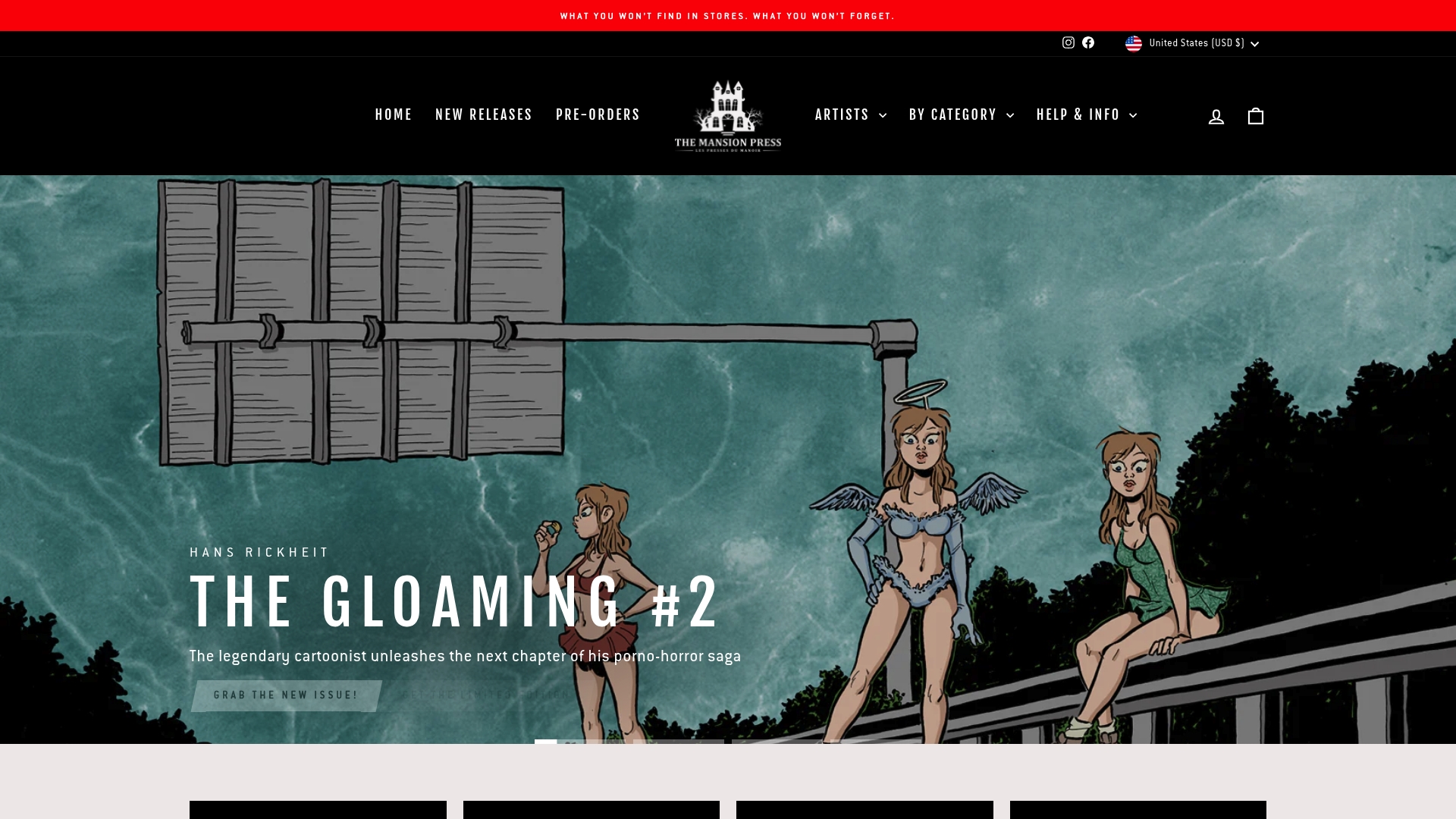
Explore our handpicked range today and enrich your collection with works that reflect your unique taste and goals. Don’t miss out on limited releases or rare editions that match the comprehensive storytelling and visual depth you value. Visit The Mansion Press now to browse selections that will elevate your collection experience. See our artist showcases and detailed product listings to find pieces that speak to your ideal blend of literary artistry and collectible rarity.
Frequently Asked Questions
What is the main difference between graphic novels and comic books?
Graphic novels are typically bound book-length works that tell complete stories, while comic books are serialized publications released monthly or at shorter intervals. To discern between the two, consider whether you prefer standalone narratives or ongoing series.
How should I evaluate the value of comic books versus graphic novels?
Comic books often appreciate in value based on issue numbers and first appearances, while graphic novels build value through creator recognition and artistic merit. Focus on maintaining the condition of your items, as mint copies can significantly enhance their market value over time.
What types of storytelling do graphic novels and comic books offer?
Graphic novels present complete narrative arcs with in-depth character exploration, whereas comic books thrive on episodic storytelling with cliffhangers that encourage ongoing engagement. Determine your reading preference to decide which format aligns better with your storytelling interests.
How can I start my collection of graphic novels or comic books?
Begin by clarifying your collecting goals: are you looking for self-contained stories or ongoing series? Research the acclaimed creators in the format that interests you, and make your first purchases based on quality rather than quantity to build a meaningful collection.
Do graphic novels have a literary advantage over comic books?
Yes, graphic novels are often viewed as more literate due to their complete narratives and thematic exploration, distinguishing them from comic books. To appreciate this advantage, try reading a critically acclaimed graphic novel to experience the depth of storytelling firsthand.
What factors should I consider when choosing between comic books and graphic novels?
Consider your lifestyle, reading habits, and collecting goals. If you prefer quick monthly reads and character development, comic books may be the better fit. If you want a fully developed story, opt for graphic novels to enrich your reading experience.
Recommended
- Understanding the Difference Between Graphic Novel and Comic – The Mansion Press
- Graphic Novel vs. Manga: Key Differences Explained – The Mansion Press
- Graphic Novel vs Comic Book: Impact on Collecting – The Mansion Press
- Illustrated Novel vs Graphic Novel: Key Differences Explained – The Mansion Press
- Cartoon Cakes - The Vanilla Valley