

Why Rare Comics Increase in Value: Art, Demand, Legacy
Most advice about rare comics gets it wrong. Many American collectors mistakenly believe that age alone determines value, but the truth is far more complex. A single comic with fewer than 5,000 copies printed can be worth exponentially more than a well-known vintage issue. This guide cuts through the confusion, helping readers unravel hidden factors that truly define comic book rarity and highlighting common misconceptions that even experienced collectors face.
Table of Contents
- Defining Rare Comics And Common Misconceptions
- Categories Of Rare Comics And Key Differences
- How Scarcity And Demand Drive Value
- Historical Influence And Artist Reputation
- Risks, Market Trends, And What To Avoid
Key Takeaways
| Point | Details |
|---|---|
| Definition of Rare Comics | Rare comics are defined by factors such as print quantity, historical significance, and collector interest, not merely by age. |
| Significant Categories | Key categories include Golden Age Comics, Silver Age Comics, variant editions, and first edition issues, each impacting value differently. |
| Scarcity and Demand | The interplay of scarcity and collector demand is crucial in determining a comic’s market value; condition and print run play significant roles. |
| Market Risks | Collectors must be wary of risks like overgrading and improper storage, and should approach the market with patience and thorough research. |
Defining Rare Comics and Common Misconceptions
Rare comics represent far more than simple printed pages - they are historical artifacts that capture artistic moments and storytelling achievements. Understanding what truly defines a rare comic requires moving beyond simplistic assumptions about age or perceived scarcity. Comics become rare through complex factors including print quantity, historical significance, condition, and collector interest.
Specifically, comic book variants play a critical role in determining rarity. Identifying unique comic variants involves recognizing subtle differences in cover art, printing runs, or special edition releases. Some variants might feature alternate artwork, limited print quantities, or commemorative designs that dramatically increase potential value. Not all variants are automatically valuable - authentication and provenance matter significantly.
Common misconceptions about rare comics often revolve around age and condition. Collectors mistakenly believe that simply being old guarantees value, but this overlooks critical authentication requirements. Exploring reliable sources for rare comics reveals that genuine rarity stems from specific combinations of factors:
- Original print runs under 5,000 copies
- First appearance of significant characters
- Signatures from artists or writers
- Near-pristine preservation conditions
- Documented historical significance
True comic book collectors understand that rarity is not just about scarcity, but about the story behind each unique publication. The most valuable comics are those that represent pivotal moments in artistic and narrative history, preserving cultural snapshots that transcend their physical form.
Categories of Rare Comics and Key Differences
Comic book collecting encompasses a diverse world of unique categories that significantly impact value and collectibility. While many assume all rare comics are created equal, sophisticated collectors understand the nuanced distinctions that separate ordinary publications from truly exceptional pieces. Understanding the difference between graphic novels and comics represents just the first step in navigating this complex landscape.
Golden Age Comics (1938-1956) represent the most prestigious category, featuring seminal superhero introductions and groundbreaking artistic styles. These comics frequently showcase the first appearances of iconic characters like Superman and Batman, making them incredibly valuable. Silver Age Comics (1956-1970) followed, introducing more complex narrative structures and introducing characters like the Fantastic Four and Spider-Man that revolutionized storytelling.
Key categories of rare comics include:
- Golden Age Comics: Original superhero introductions
- Silver Age Comics: Character universe expansions
- Variant Editions: Limited print run special covers
- First Edition Issues: Original publication releases
- Signed Collector Editions: Autographed by creators
Authenticity and condition remain paramount in determining a comic’s true rarity. Identifying first edition comics requires meticulous examination of publication details, print markers, and preservation state. Serious collectors invest significant time researching provenance, understanding that a comic’s story extends far beyond its printed pages - it represents a snapshot of cultural imagination frozen in time.
How Scarcity and Demand Drive Value
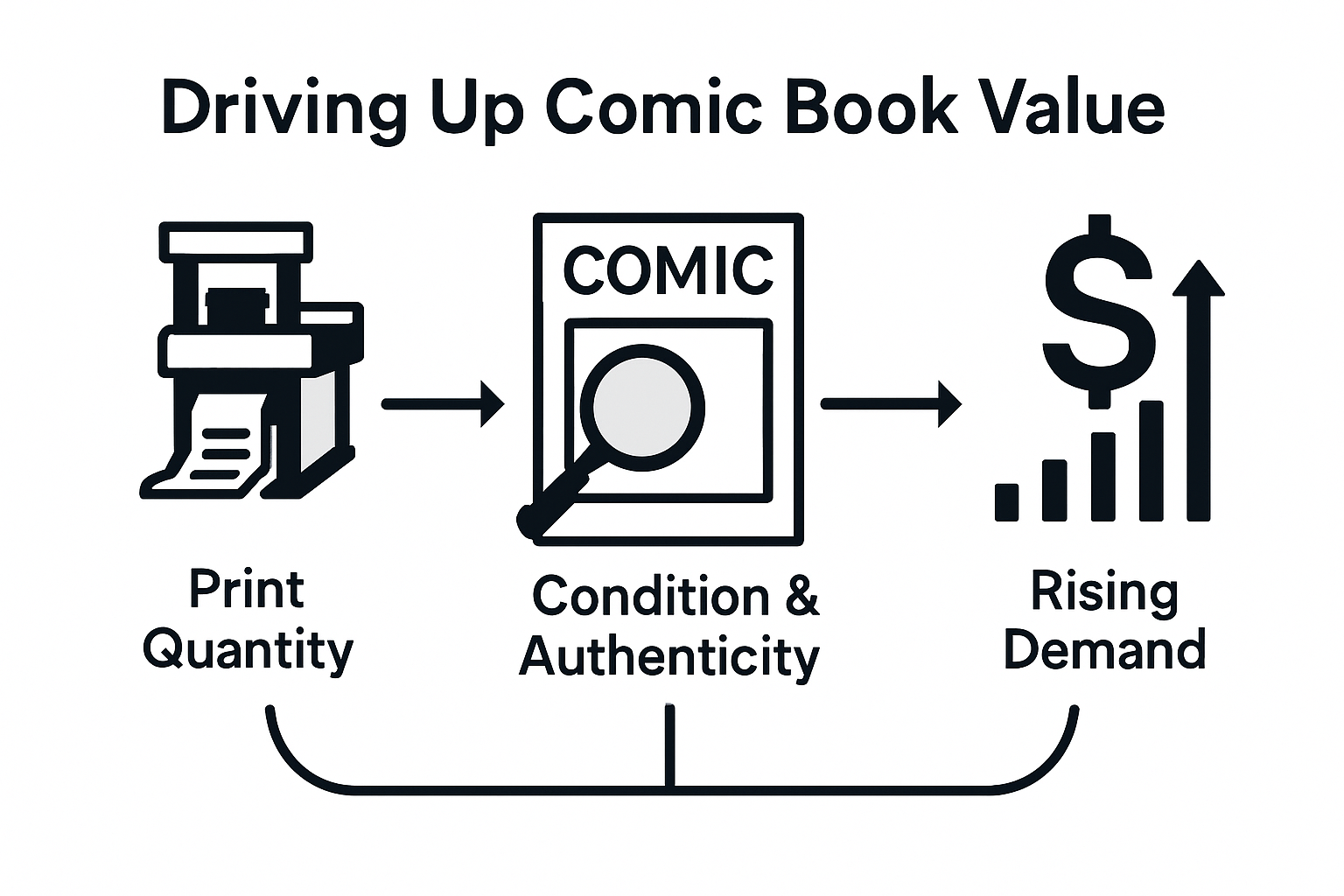
The economics of rare comics revolve around a delicate balance between scarcity and collector demand. Understanding comic rarity scales reveals that print run quantities dramatically influence a comic’s potential value. Some limited edition issues might have fewer than 500 original copies, transforming them into highly sought-after treasures that command exponential prices in the collector’s market.
Comic book grading plays a crucial role in determining market value, with condition being paramount. Evaluating comic book conditions demonstrates that even rare comics can lose significant value if they are damaged or poorly preserved. Collectors meticulously assess factors like:
- Paper quality and integrity
- Spine condition
- Color preservation
- Absence of tears or marks
- Original packaging
The supply and demand principle governs comic book valuation with remarkable precision. Iconic issues featuring first character appearances, significant plot developments, or introduced by legendary artists create intense collector competition. A single well-preserved comic from a minimal print run can appreciate thousands of percent in value over decades, transforming from a modest publication into a valuable cultural artifact that represents more than just entertainment - it becomes a tangible piece of artistic and narrative history.
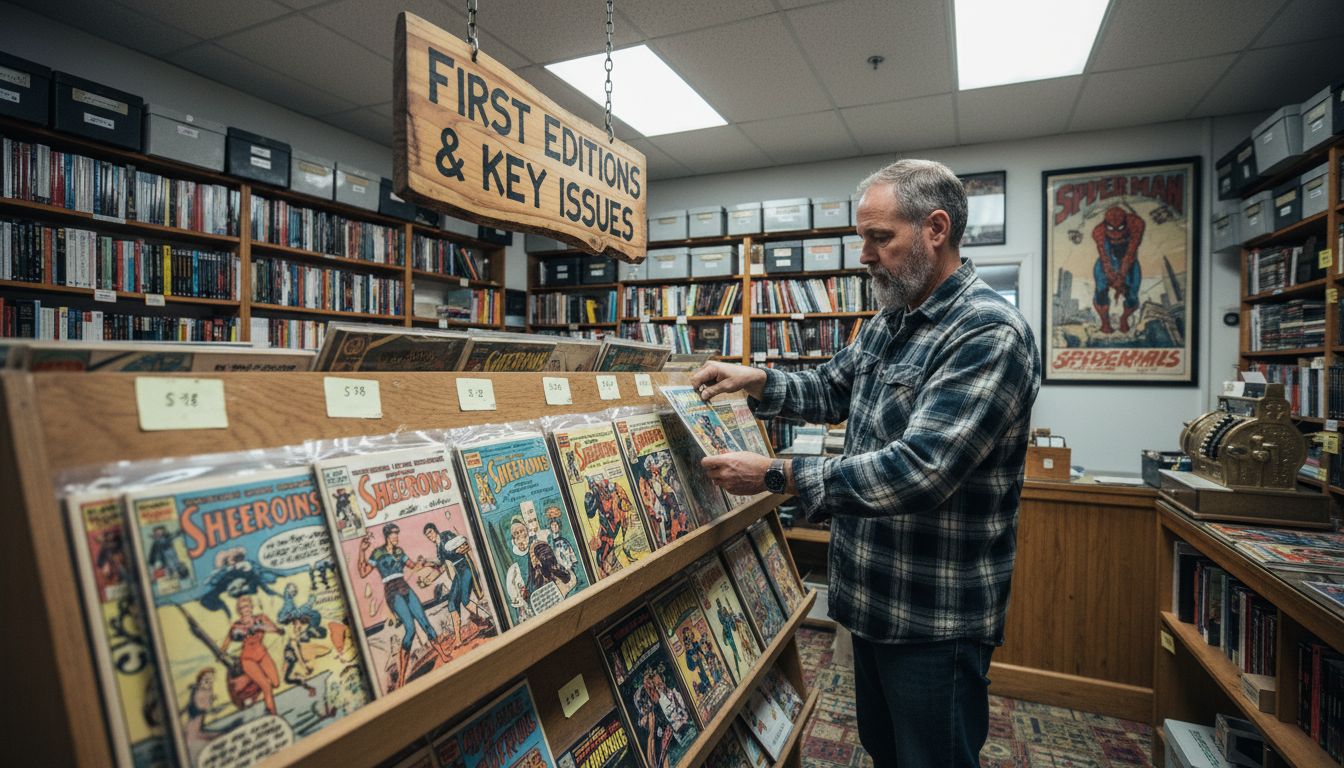
Historical Influence and Artist Reputation
The trajectory of comic book value is deeply intertwined with the historical evolution of artistic expression and cultural significance. Exploring the Modern Age of Comic Books reveals how artists transformed comics from simple entertainment to profound narrative mediums, dramatically influencing their collectible status. Each artistic movement represents more than visual style - it captures a specific moment in cultural imagination.
Some comics transcend their original purpose through extraordinary circumstances. Ashcan comics - initially produced for legal trademark purposes - have become incredibly valuable collector items. Examining the unique history of ashcan comics demonstrates how seemingly mundane publications can become historical artifacts that collectors passionately pursue. These rare publications often represent pivotal moments of artistic transition, capturing the creative process in its most raw and unrefined state.
Key factors that elevate a comic’s historical reputation include:
- First appearance of groundbreaking characters
- Artwork by legendary illustrators
- Representation of significant cultural movements
- Innovative narrative techniques
- Historical documentation of artistic evolution
True comic book collectors understand that value extends far beyond physical condition. A comic represents a snapshot of artistic innovation, cultural dialogue, and creative expression - transforming from a simple printed page into a tangible piece of cultural heritage that tells a story far more complex than its original narrative suggests.
Risks, Market Trends, and What to Avoid
The comic book market is notoriously volatile, with values fluctuating dramatically based on collector sentiment, media adaptations, and generational interests. Novice collectors often fall into common traps that can significantly diminish their investment potential. Understanding comic collecting strategies requires a nuanced approach that goes beyond simple acquisition.
Several critical risks can devastate a comic book collection’s value:
- Overgrading: Misrepresenting a comic’s condition
- Mass Speculation: Buying purely based on market hype
- Improper Storage: Exposing comics to humidity or direct sunlight
- Unverified Authenticity: Purchasing without proper authentication
- Emotional Purchasing: Buying without strategic research
Market manipulation represents a significant threat to comic book collectors. Trends can shift rapidly, with seemingly valuable comics losing worth overnight due to changing collector preferences or oversaturation. Identifying first edition comics becomes crucial in navigating these treacherous waters. Wise collectors approach the market with patience, thorough research, and a critical eye - understanding that true value extends far beyond momentary popularity. The most successful collectors treat rare comics as both an art form and a potential investment, balancing passion with strategic decision-making.
Unlock the True Value of Rare Comics Through Exclusive Collections
Understanding why rare comics increase in value requires more than just knowing their history and market demand. The article highlights key challenges collectors face such as identifying authentic first editions, understanding variant editions, and navigating the volatile market fueled by artist legacy and scarcity. If you are passionate about acquiring culturally significant comics that blend artistic innovation and lasting legacy, making informed choices about your collection is essential.
Discover exclusive offerings specially curated to address these concerns at The Mansion Press. Our platform connects you directly with independent artists and comic creators, featuring limited-edition releases, signed collector editions, and rare variant prints that reflect the artistic and historical prestige emphasized in the article. Experience seamless browsing through detailed product listings that help you spot key authenticity features and gain confidence in your acquisitions.
Explore unique comic collections now and transform your passion into a valuable legacy. Visit The Mansion Press and dive deeper into the world of rare comics with expertly curated artbooks and collector’s editions designed for discerning enthusiasts.

Elevate your collection with pieces that represent timeless cultural snapshots. Start your journey today by exploring our selection and securing your own rare comic treasures before they increase in value even further.
Frequently Asked Questions
What factors contribute to a comic’s rarity and value?
A comic’s rarity and value are influenced by several factors, including print quantities (under 5,000 copies are often considered rare), historical significance (like first character appearances), condition (e.g., pristine preservation), and collector demand.
How do comic book variants affect their value?
Comic book variants can significantly affect value due to their unique characteristics, such as limited print runs or alternate cover art. Variants that are part of special editions often have increased demand and higher prices among collectors.
Why is condition important when determining a comic’s value?
Condition is crucial because even rare comics can lose substantial value if they are damaged. Factors assessed include paper quality, spine condition, and absence of marks or tears, all of which impact a comic’s overall market value.
What should collectors look for in historical significance?
Collectors should seek comics that capture important cultural moments or showcase groundbreaking characters and artistic styles. Factors such as first appearances, innovative narrative techniques, and artwork by renowned illustrators contribute to a comic’s historical relevance and value.
Recommended
- Understanding Collecting Rare Comics Guide for Enthusiasts – The Mansion Press
- Exploring the Best Places for Rare Comics Explained – The Mansion Press
- Understanding Why Collect Underground Comics Matters – The Mansion Press
- 7 Most Valuable Graphic Novels Every Collector Should Know – The Mansion Press