

Illustrated Novel vs Graphic Novel: Key Differences Explained
Every art collector knows the thrill of discovering a publication that defies the ordinary, but true connoisseurs recognize that not all visually rich books are created equal. Understanding the boundary between an illustrated novel and a graphic novel is more than a technical curiosity—it can transform how you build and value your collection. Exploring the interplay of text and art in sequential storytelling reveals crucial differences that shape both reader experience and collector appeal.
Table of Contents
- Defining Illustrated Novels And Graphic Novels
- Visual Storytelling Styles And Layout Approaches
- Narrative Techniques And Reader Experience
- Production, Rarity, And Collector Value
- Choosing The Right Format For Your Collection
Key Takeaways
| Point | Details |
|---|---|
| Understanding Formats | Illustrated novels are text-driven with supplementary artwork, while graphic novels rely on sequential art as the main narrative vehicle. |
| Collector Appeal | Choose illustrated novels for literary depth and graphic novels for immersive visual storytelling to align with personal preferences. |
| Engagement Differences | Illustrated novels allow for reflective reading, whereas graphic novels create dynamic experiences through visual and text interplay. |
| Rarity and Value | Graphic novels often appreciate faster in value due to limited print runs and higher production quality compared to illustrated novels. |
Defining Illustrated Novels and Graphic Novels
When you’re building a collection or deciding what to add to your shelves, understanding the distinction between illustrated novels and graphic novels matters more than you might think. These formats may look similar at first glance, but they represent fundamentally different approaches to storytelling. The difference lies not just in their visual appeal, but in how text and images work together to tell a story.
An illustrated novel is primarily a text-driven work where words carry the narrative weight. Think of it as a traditional novel with artwork woven throughout. The narrative is powered by prose, with illustrations serving as supplementary visual elements that enhance and complement what you’re reading. These illustrations don’t follow the sequential panel structure you’d recognize in comics. Instead, they appear strategically throughout the book, offering visual breaks and deepening your connection to scenes, characters, or emotions without the panels dictating pacing or storytelling structure. Picture Lewis Carroll’s original “Alice in Wonderland” with John Tenniel’s artwork. The story works perfectly well without those images, but they add richness to the experience.
A graphic novel, by contrast, places sequential art at the center of storytelling. Graphic novels rely on interdependent text and images using panel layouts to convey storylines, where the visual composition itself becomes essential to narrative progression. The images aren’t supplementary. They’re the primary vehicle through which the story moves forward. Readers move panel to panel, and the arrangement, size, and transitions between panels create rhythm and pacing that shapes how you experience the narrative. Graphic novels function as narrative forms that parallel traditional novels but through graphic storytelling, offering multiple perspectives through the interplay of text and image.
As a collector, this distinction affects what you’re acquiring. Illustrated novels appeal to those seeking deep narrative prose with visual enhancement. Graphic novels draw those who appreciate art as storytelling itself, where every panel composition and artistic choice impacts meaning. Both formats demand respect for their artistic merit and narrative complexity, but they engage readers in distinctly different ways.
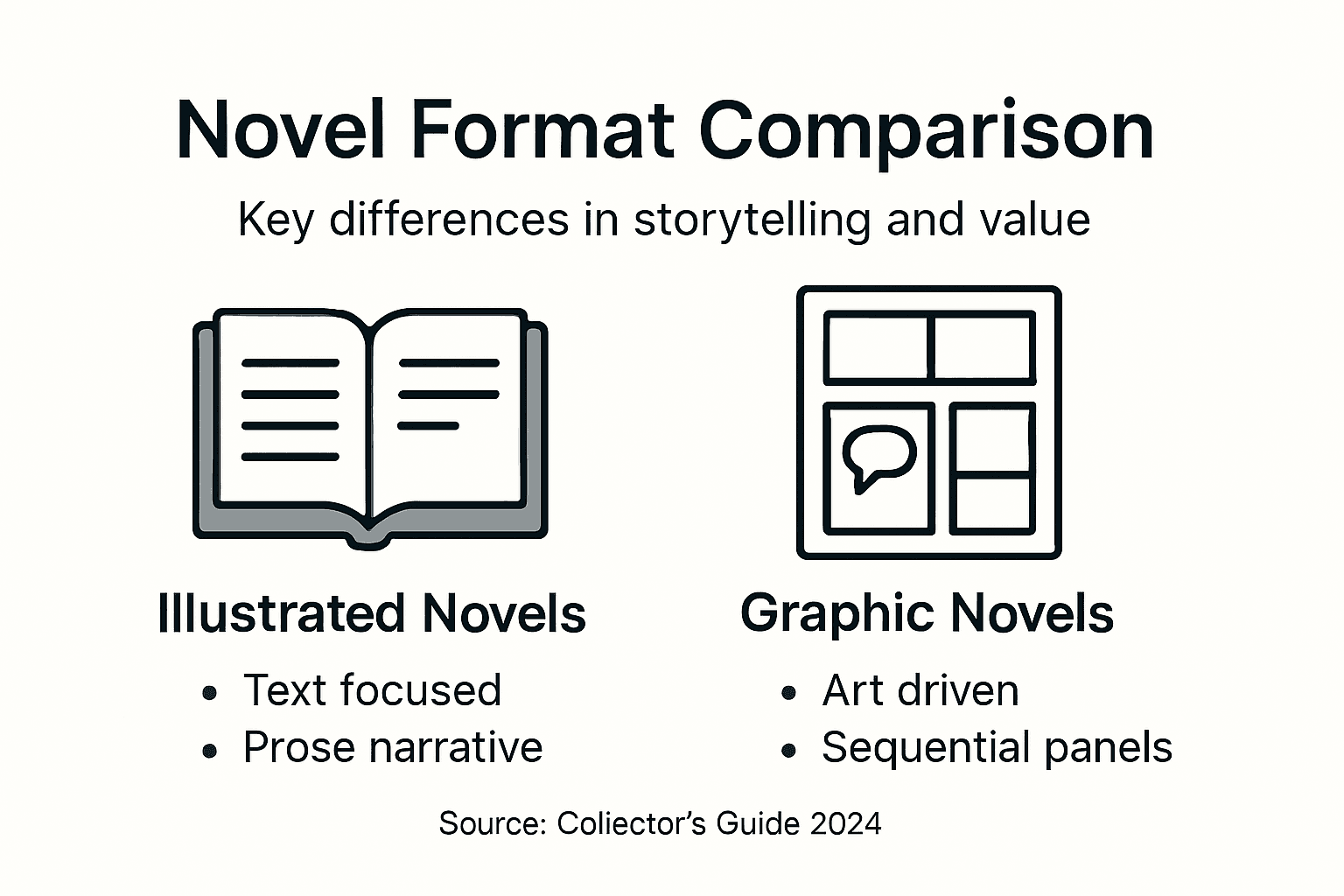
Here’s a side-by-side comparison of illustrated novels and graphic novels to clarify their unique characteristics:
| Aspect | Illustrated Novels | Graphic Novels |
|---|---|---|
| Narrative Focus | Prose-driven, text leads experience | Art-driven, images propel narrative |
| Role of Artwork | Supplementary, enhances scenes | Essential, integrates with story flow |
| Layout Structure | Traditional pages with sporadic images | Panel layouts govern pacing |
| Reader Engagement | Imagination led by prose | Interpretation through visuals & text |
| Collector Appeal | Literary/artistic merit | Artistic scarcity & edition rarity |
Pro tip: When evaluating pieces for your collection, examine how the artwork functions within the format. In illustrated novels, ask if the images truly enhance the prose or feel decorative. In graphic novels, study the panel transitions and how visual storytelling creates emotional impact that text alone couldn’t achieve.
Visual Storytelling Styles and Layout Approaches
The way a story unfolds visually separates illustrated novels from graphic novels more than anything else. In illustrated novels, the visual approach stays subordinate to text. Illustrations appear as standalone images within chapters or sections, allowing readers to absorb the written narrative first, then encounter artwork that deepens their mental picture. The layout is straightforward: prose on the page, images interspersed between chapters or within margins. This structure prioritizes reading flow without interruption, letting your imagination work alongside the artist’s interpretation rather than being controlled by it.
Graphic novels operate on an entirely different visual logic. Sequential art panel arrangements create rhythm and pacing that shapes how you experience narrative. Every element matters. The size of panels, their placement on the page, the spacing between them, and even what’s left unseen between panels all contribute to storytelling. Visual narrative techniques including panel transitions and spacing establish emotional intensity and temporal flow. A wide panel might stretch a moment, while a series of small panels accelerates tension. Splash pages (full-page illustrations) create dramatic pauses. Gutters (the spaces between panels) force readers to mentally complete the action, engaging them as active participants in the story rather than passive observers. The artist controls your eye movement and the pace at which you consume information.
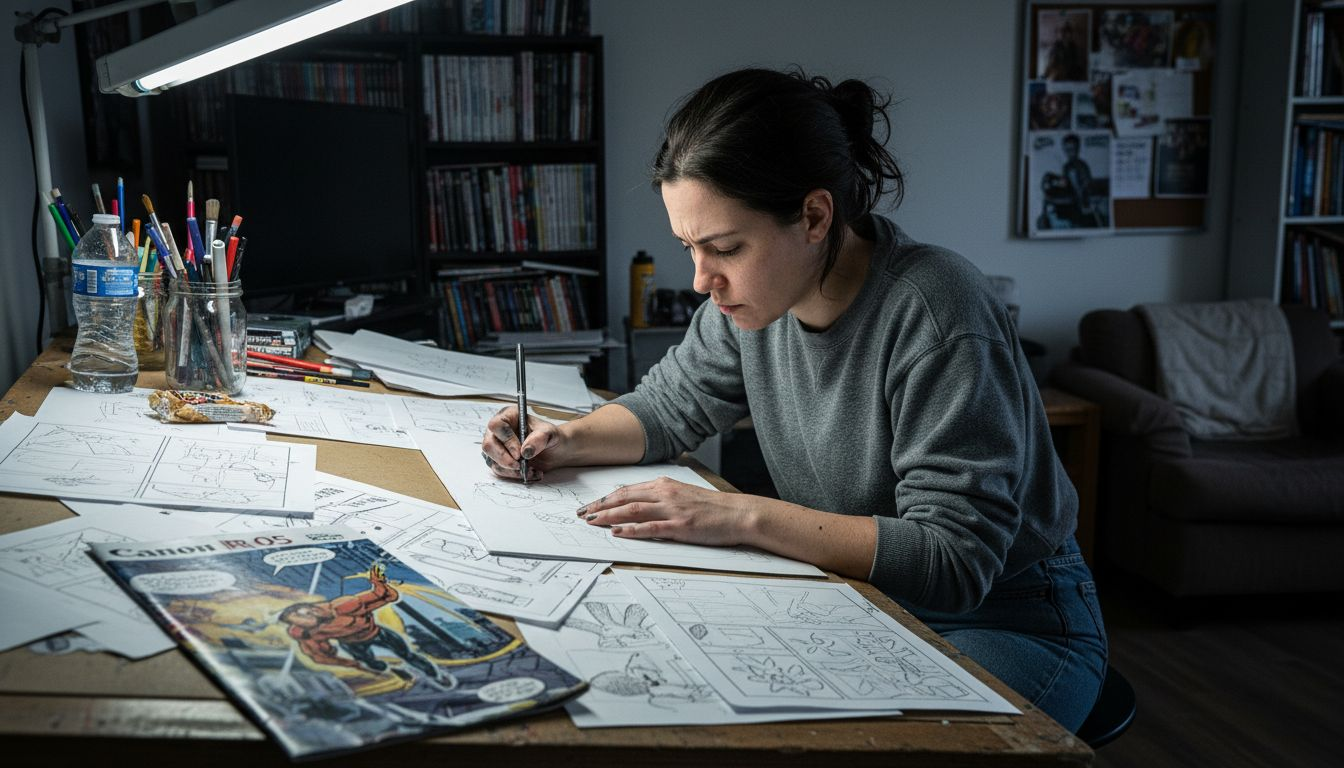
Understanding visual storytelling techniques helps you appreciate why these formats demand different reading experiences. In illustrated novels, you’re reading text with visual enhancement. In graphic novels, you’re reading images with textual support. The layout approach itself becomes part of the narrative voice. A manga-style graphic novel reads right to left, fundamentally changing spatial awareness. A Western comic reads left to right and top to bottom. Different panel configurations convey different moods. Chaotic layouts suggest confusion or action; orderly grids create stability and control.
As a collector, recognizing these distinctions transforms how you evaluate works. An illustrated novel’s visual strength depends on whether artwork genuinely enriches prose passages or feels decorative. A graphic novel’s success depends on whether layout choices enhance emotional impact and whether the marriage of image and text creates meaning neither could achieve alone.
Pro tip: Spend time studying page layouts before purchasing graphic novels for your collection. Notice how panel size, gutter spacing, and page composition create pacing and mood, then choose works where the visual design strategy aligns with the story being told.
Narrative Techniques and Reader Experience
How you experience a story fundamentally changes based on whether it’s told through an illustrated novel or graphic novel. These formats engage your brain differently, activating distinct cognitive pathways and pulling you into the narrative in contrasting ways. Understanding these differences helps you appreciate what each format offers and why collectors often gravitate toward one or the other.
In illustrated novels, narrative unfolds primarily through prose that establishes voice, internal monologue, and descriptive depth. The text controls pacing. You read at your own speed, building mental images as words guide your imagination. Illustrations appear as moments of visual punctuation, offering the artist’s interpretation of scenes you’ve already imagined through reading. This creates a collaborative experience between reader and author, then reader and artist. The narrative techniques rely on literary devices: foreshadowing through dialogue, character development through reflection, tension built through prose rhythm. An illustrated novel might spend three pages describing a character’s emotional turmoil through internal monologue, then show a single illustration that crystallizes that emotional state.
Graphic novels flip this dynamic entirely. The interplay of text and image creates immersive reader experiences where you actively construct meaning from visual and verbal narratives combined. Panel composition becomes narrative technique. A close-up face conveys emotion without dialogue. Negative space suggests silence or tension. Color choices establish mood. The multimodal narrative approach in graphic novels stimulates both visual and textual cognitive processes, fostering richer engagement. You’re simultaneously reading words and analyzing images, with neither fully explaining the other. This demands active participation. Your eyes move across the page following the artist’s deliberate composition, then your brain fills gaps between panels with imagined action. The experience feels faster, more cinematic, yet paradoxically requires deeper cognitive involvement because you’re decoding meaning from multiple sources simultaneously.
The reader experience also differs in emotional accessibility. Illustrated novels allow you to retreat into internal monologue and written reflection. You can pause and contemplate a character’s thoughts. Graphic novels make emotions visceral through visual representation. A character’s fear shows in their expression, body language, and the distorted perspective of surrounding panels. Graphic novels employ narrative techniques like symbolism and theme development comparable to traditional literary forms, yet transmit these elements visually alongside text. For collectors, recognizing which experience you prefer clarifies what belongs in your collection. Do you want immersion in prose with visual accompaniment, or total visual and textual integration?
Pro tip: Read sample pages of both formats side by side, noticing how the same scene might be handled differently, then assess which cognitive engagement style aligns with your collecting preferences and reading habits.
Production, Rarity, and Collector Value
When you’re evaluating pieces for your collection, understanding how illustrated novels and graphic novels are produced directly impacts their rarity and value in the collector market. These formats follow distinctly different production paths, which shapes everything from print runs to long-term appreciation potential. This distinction matters significantly if you’re serious about building a collection with lasting value.
Illustrated novels typically enter the market through traditional publishing channels. Print runs tend to be substantial, distributed across bookstores and online retailers for general audiences. Because they’re marketed to broader readership alongside conventional novels, availability remains relatively high. The illustrations are integrated during the design phase, but the format itself doesn’t demand specialized production techniques. This accessibility means first editions rarely command premium prices unless the book becomes culturally significant or the illustrator gains prominence. Rarity develops over decades, not years. An illustrated novel’s collector value depends more on literary significance, illustrator notability, or historical importance than on production scarcity.
Graphic novels operate under fundamentally different production economics. Complete book-length graphic novels are produced with higher production values, featuring quality printing and materials that influence rarity and collector value. Publishers often limit print runs because graphic novel audiences were historically niche. Artist reputation, publisher prestige, and format exclusivity create immediate scarcity. A graphic novel first edition from a respected independent publisher might see only 5,000 copies printed, whereas an illustrated novel of comparable quality could see 50,000 copies. The production process including format, publisher reputation, and limited editions affects the collector market and value retention. This scarcity compounds over time. As cultural awareness grows and graphic novels gain legitimacy as serious art forms, original print runs become increasingly difficult to acquire.
The collector value trajectory differs dramatically. Illustrated novels appreciate slowly, primarily through historical reassessment or rediscovery. A first edition illustrated novel worth $20 today might be worth $80 in thirty years if the author achieves classic status. Graphic novel first editions, particularly from acclaimed creators or limited publishers, can triple or quadruple in value within five to ten years. Understanding why rare comics increase in value illuminates how artistic significance, demand from collectors, and cultural legacy drive the market. Condition matters intensely for graphic novels. A pristine first edition commands significantly higher prices than a read copy. For illustrated novels, condition matters less because print runs were larger and replacement copies are more obtainable.
As a serious collector, this means graphic novels from small presses, limited editions, and works by emerging artists often represent stronger investment potential. Illustrated novels appeal to you if you’re collecting for literary or artistic merit rather than market appreciation. Both formats deserve space in serious collections, but understanding production realities helps you allocate resources strategically.
This table outlines how production and rarity impact collector value in each format:
| Factor | Illustrated Novels | Graphic Novels |
|---|---|---|
| Typical Print Run | Large, broad distribution | Small, often limited editions |
| Value Growth | Gradual, over decades | Rapid, within years if limited |
| Condition Impact | Moderate, many replacements | Crucial, major price differences |
| Rarity Drivers | Author/illustrator importance | First edition, publisher reputation |
Pro tip: Track publication dates and print run information before purchasing graphic novels for investment purposes, as earlier printings from cult publishers and smaller print runs typically appreciate faster than later printings or mass-market editions.
Choosing the Right Format for Your Collection
Deciding whether to focus on illustrated novels, graphic novels, or both comes down to understanding your own preferences as a collector and what resonates with you aesthetically and intellectually. There’s no objectively “better” format. The right choice depends on what you value in a reading and collecting experience, what stories matter to you, and how you want to engage with visual art and narrative. Taking time to honestly assess your priorities shapes a collection that genuinely reflects your tastes rather than following trends.
Start by evaluating your reading preferences. Choose graphic novels if you appreciate sequential art storytelling and illustrated novels if you favor text-driven narratives enhanced by images. Ask yourself: Do you find yourself drawn to dense prose passages and internal monologue, or do you prefer visual storytelling where images carry narrative weight? When you read for pleasure, do you want to control pacing through prose, or do you want the artist’s panel composition to dictate your experience? Do you value lingering with descriptions, or does rapid visual consumption engage you more fully? Some collectors genuinely love both equally, finding different satisfactions in each. Others discover they have a strong preference. Neither answer is wrong. Your collection should reflect what actually engages you, not what you think should engage you.
Consider your visual literacy goals and artistic interests. If you’re passionate about illustration as fine art, illustrated novels showcase individual images as standalone compositions. You can study a single illustration in depth without narrative obligation. Graphic novels demand understanding sequential visual language. You’re learning panel transitions, compositional flow across pages, how artists use space and repetition for emotional effect. If you’re interested in expanding your visual literacy or studying graphic art as a sophisticated medium, graphic novels offer deeper complexity. Understanding the different storytelling roles of images in each format helps align collection choices with readers’ preferences and engagement.
Think about discovery and access. Illustrated novels from major publishers remain relatively accessible. You can find most published editions through standard retail channels, building a collection gradually without pressure. Graphic novels, especially from independent creators and limited presses, demand active hunting. This hunt can be exhilarating if you enjoy the thrill of discovery, or exhausting if you prefer straightforward acquisition. Consider your budget and patience for seeking out rare editions. Investment potential tilts toward graphic novels, while illustrated novels reward patient collecting focused on literary significance rather than market appreciation.
The most successful collectors often embrace both formats, recognizing that they satisfy different aspects of their collecting passion. You might chase rare graphic novel first editions as investments while slowly acquiring illustrated novels based purely on artistic merit and narrative appeal. Or you might specialize exclusively in one format, becoming deeply knowledgeable about that particular ecosystem.
Pro tip: Before committing to a collection focus, spend time reading sample pages from multiple works in both formats, then honestly assess which reading experience leaves you wanting more and which artists’ work consistently excites you.
Elevate Your Collection with Illustrated and Graphic Novels
Navigating the rich world of illustrated novels and graphic novels can be challenging when deciding what truly fits your collecting passion. Whether you cherish prose-driven narratives enhanced by singular artworks or thrive on the immersive, panel-by-panel storytelling of graphic novels, the journey of discovering pieces that resonate with your taste is deeply personal and rewarding. At The Mansion Press, we understand the importance of visual storytelling and narrative distinction highlighted in “Illustrated Novel vs Graphic Novel: Key Differences Explained”. Our curated selection bridges that gap by focusing on exclusive, limited-edition artbooks and graphic novels that respect these unique storytelling forms.
Discover and secure rare editions that fit your collector’s vision today. Explore our carefully crafted artist showcases and collector’s editions to find works that embody the artistic merit and narrative power you value. Don’t miss the chance to own pieces that combine artistic scarcity and literary allure with the convenience of international purchase options. Start building a collection that reflects your passion with The Mansion Press now and experience unparalleled access to art-driven storytelling unlike anywhere else.
Frequently Asked Questions
What are the main differences between illustrated novels and graphic novels?
Illustrated novels are primarily text-driven, using prose to carry the narrative, with illustrations serving as supplementary visual elements. Graphic novels, on the other hand, center on sequential art, where images are essential to storytelling, utilizing panel layouts to convey the narrative.
How do illustrations function differently in illustrated novels compared to graphic novels?
In illustrated novels, illustrations enhance and complement the prose but do not dictate the pacing or narrative structure. In graphic novels, illustrations are integral to the story, influencing how the narrative unfolds through visual composition and panel arrangement.
What reading experience can I expect from an illustrated novel versus a graphic novel?
In illustrated novels, you engage with the text at your own pace, allowing for deeper contemplation of characters and themes, while the illustrations serve as moments of visual enhancement. In graphic novels, the combination of images and text creates a faster, more immersive experience that requires active interpretation of both visual and verbal narratives.
How does the production of illustrated novels compare to that of graphic novels in terms of rarity and value?
Illustrated novels typically have larger print runs and are generally more accessible, resulting in slower appreciation in collector value. Graphic novels often have limited print runs and higher production values, leading to quicker increases in value if they come from reputable or niche publishers.
Recommended
- Understanding Graphic Novels vs Traditional Novels – The Mansion Press
- Understanding the Difference Between Graphic Novel and Comic – The Mansion Press
- Understanding Graphic Novels versus Artbooks Explained – The Mansion Press
- Understanding Graphic Novel Formats: A Comprehensive Guide – The Mansion Press