

Archiving Rare Comics: Secure Preservation Guide
Every American collector knows the thrill of uncovering a forgotten gem in their comic boxes, yet surprisingly, over 60% of valuable issues lose value from poor storage or condition errors. For those who treasure limited-edition art and support independent creators, understanding preservation techniques is as important as the comics themselves. This guide offers practical advice for protecting rare finds, spotlighting methods trusted by both seasoned American enthusiasts and global art lovers.
Table of Contents
- Step 1: Sort And Identify Valuable Comics
- Step 2: Clean And Prepare Comics For Storage
- Step 3: Select Appropriate Archival Materials
- Step 4: Store Comics In Controlled Environments
- Step 5: Verify Archive Integrity And Accessibility
Quick Summary
| Key Point | Explanation |
|---|---|
| 1. Inspect Comics’ Physical Condition | Evaluate edges, spines, and pages to determine their value; mint condition items draw higher prices. |
| 2. Use Appropriate Storage Materials | Invest in acid-free sleeves and boxes to prevent deterioration and preserve your comics’ integrity for the long term. |
| 3. Maintain Controlled Environmental Conditions | Store comics between 60-70°F with 40-50% humidity; avoid basements and attics to prevent damage. |
| 4. Regularly Document and Inspect Collection | Create a detailed inventory and check for signs of deterioration at least twice a year to monitor condition. |
| 5. Handle Comics with Care | Always use clean cotton gloves and keep comics stored properly to protect them from oils and dirt from your hands. |
Step 1: Sort and Identify Valuable Comics
Sorting and identifying valuable comics requires understanding three critical factors that determine a comic’s potential worth: condition, scarcity, and market demand. Collectors must evaluate these characteristics systematically to accurately assess their collection’s value.
Begin by establishing a careful examination process. First, inspect each comic book’s physical condition meticulously. Look for crisp edges, minimal spine stress, and absence of creases. Mint condition comics with sharp corners and pristine pages command significantly higher values. Pay special attention to first editions and limited print runs, which typically carry greater collector interest. Some key indicators of value include original publication dates, specific character introductions, and unique artwork variants.
Here’s a summary of key condition factors affecting comic book value:
| Condition Factor | Impact on Value | Common Issues Detected |
|---|---|---|
| Page Quality | Higher for crisp, clean pages | Yellowing, staining |
| Spine Integrity | Critical for mint grading | Stress marks, splits |
| Edge and Corner Sharpness | Premium for sharp edges | Bending, rolling |
| Cover Gloss/Color | More attractive, higher value | Fading, discoloration |
Next, research market trends and collector preferences. Some comics appreciate dramatically based on pop culture relevance like movie adaptations or significant character developments. Professional grading services such as CGC can provide authenticated condition ratings that substantially impact resale potential.
Pro tip: Always handle rare comics with clean cotton gloves and store them in acid-free protective sleeves to preserve their condition and potential future value.
Step 2: Clean and Prepare Comics for Storage
Cleaning and preparing comic books for long-term storage requires meticulous attention to detail and specialized techniques. Academic preservation experts emphasize the critical importance of gentle handling and protective measures to prevent damage and maintain the comics historical integrity.
Start by creating a clean workspace with soft surfaces and no potential contaminants. Use compressed air or soft anti static brushes to remove surface dust gently. Avoid liquid cleaners or harsh chemicals that could damage paper or ink. For more serious preservation needs like addressing potential mold or significant dirt buildup, consult professional conservation specialists who understand the delicate nature of comic book materials.
Next, invest in archival quality storage materials. Acid-free mylar sleeves with backing boards will protect individual issues from environmental degradation. Store comics vertically in temperature-controlled environments away from direct sunlight, humidity, and extreme temperature fluctuations. Consider using archival boxes designed specifically for comic book preservation to minimize potential physical stress on the documents.
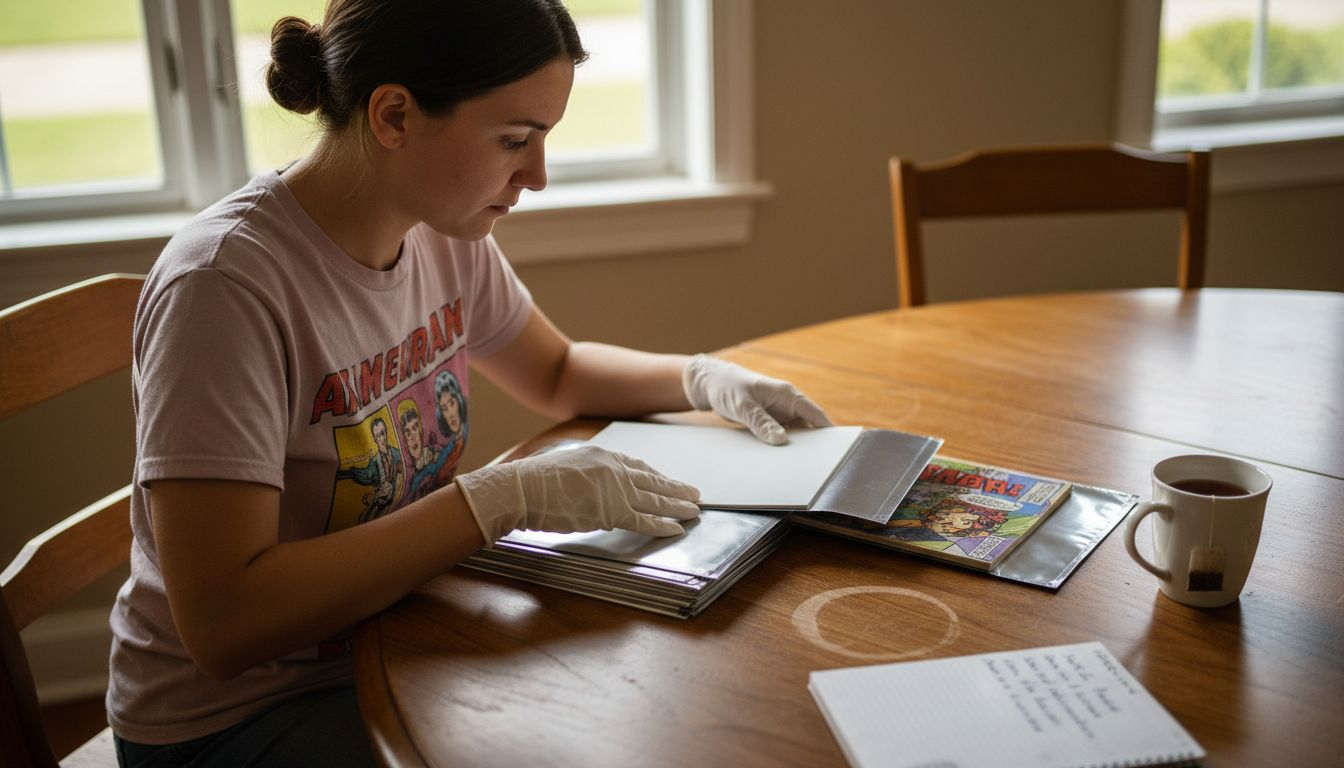
Pro tip: Always handle comics by their edges while wearing clean cotton gloves to prevent oil and dirt transfer from your skin to the delicate paper surfaces.
Step 3: Select Appropriate Archival Materials
Selecting the right archival materials is crucial for protecting your comic book collection against long-term deterioration. Comic preservation experts recommend specialized storage solutions that protect against environmental damage and maintain the integrity of your valuable comics.
Begin by investing in high-quality archival storage materials designed specifically for comic preservation. Mylar or polypropylene sleeves offer superior protection compared to standard plastic bags, creating a barrier against air pollutants and acid buildup. Pair these sleeves with acid-free backing boards that provide structural support and prevent bending or warping. Choose archival storage boxes made from acid-free materials that are slightly larger than standard comic dimensions to minimize compression and potential damage.
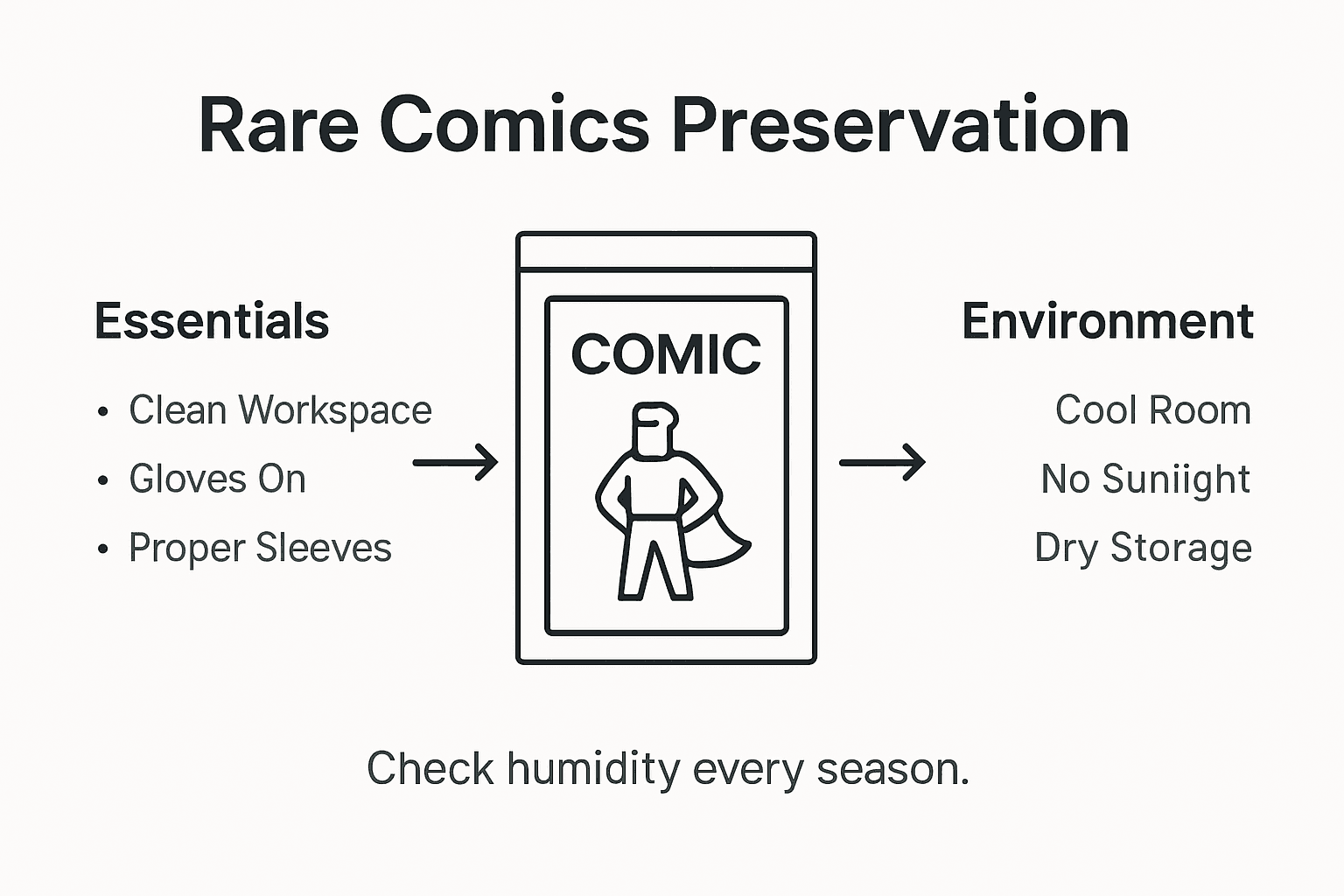
Compare popular archival sleeve materials for comic storage:
| Sleeve Material | Protection Level | Longevity |
|---|---|---|
| Mylar | Superior barrier, rigid | Decades, non-yellowing |
| Polypropylene | Good, flexible | Several years, stable |
| Standard Plastic | Basic, minimal barrier | Prone to degradation |
Consider the storage environment as carefully as the materials themselves. Avoid standard cardboard boxes or plastic containers that can trap moisture or emit harmful acids. Select archival boxes with proper ventilation and protective qualities. Pay attention to box height choose shorter boxes that reduce compression stress on comics at the bottom of the stack. Temperature and humidity control remain critical factors in long-term comic book preservation.
Pro tip: Invest in a small hygrometer to monitor storage area humidity levels and maintain a consistent environment between 30 to 50 percent relative humidity.
Step 4: Store Comics in Controlled Environments
Creating the optimal storage environment is essential for long-term comic book preservation. Preservation experts recommend maintaining precise temperature and humidity conditions to prevent irreversible damage to your valuable collection.
Establish a dedicated storage area with consistent environmental controls. Aim for a stable temperature range between 60 and 70 degrees Fahrenheit with relative humidity between 40 and 50 percent. Completely avoid storing comics in basements, attics, or areas with significant temperature fluctuations. These spaces often harbor moisture, extreme temperatures, and potential pest problems that can rapidly deteriorate comic book materials. Consider investing in a small climate-controlled storage unit or a dedicated cabinet with built-in humidity and temperature regulation if your home environment is unpredictable.
Protect your comics from direct light exposure which can cause fading and paper degradation. Use blackout curtains or specialized storage containers that block ultraviolet radiation. Position your storage space away from windows and direct sunlight. Install low-heat LED lighting if you need illumination near your collection, as these emit minimal heat and radiation that could potentially damage your comics.
Pro tip: Create a simple tracking system with silica gel packets in your storage containers to absorb excess moisture and monitor environmental conditions regularly.
Step 5: Verify Archive Integrity and Accessibility
Verifying the integrity of your comic book archive is a critical step in long-term preservation. Systematic preservation techniques ensure ongoing accessibility and protect against potential data degradation and potential collection loss.
Establish a comprehensive documentation system that tracks each comic book in your collection. Create a detailed inventory spreadsheet including essential information such as publication date, grading condition, unique identifiers, and current storage location. Implement a regular inspection schedule where you physically review each comic at least twice a year. During these inspections, check for any signs of deterioration like paper discoloration, mold growth, or structural damage. Document any changes or observations meticulously to track potential preservation challenges.
Develop a backup strategy for your collection documentation. Consider creating digital scans of critical comics and storing those digital records in multiple locations. Use archival quality external hard drives or cloud storage services with robust backup protocols. Maintain at least two independent backup copies of your documentation to ensure you can reconstruct your collection information if one set of records becomes compromised.
Pro tip: Invest in a high-resolution scanner specifically designed for archival documentation to create precise digital records of your most valuable comics.
Protect Your Valuable Comic Collection with Expertly Curated Artworks
Preserving rare comics requires more than careful storage and archival materials. It demands access to exclusive, high-quality editions that celebrate the artistry while maintaining incredible collectible value. If you are passionate about securing your comics and expanding your collection responsibly, discover a world of unique, limited-edition comic art and collector’s items available at The Mansion Press. From exclusive artbooks to original comic artworks, our selection supports independent artists and provides premium pieces that complement your preservation efforts.

Take the next step in elevating your comic archive by exploring distinct collector’s editions that hold both artistic significance and potential value appreciation. Visit The Mansion Press now to find exceptional products designed for passionate collectors like you. Don’t miss your chance to own rare collectibles that enhance your treasured collection while honoring the dedication you invest in preserving each issue.
Explore our curated selection here and embrace the art of comic collecting with confidence and style.
Frequently Asked Questions
How can I determine if my comic books are valuable?
To determine if your comic books are valuable, assess their condition, scarcity, and market demand. Inspect each comic for physical condition, focusing on elements like edges, spine integrity, and page quality. Research current market trends to identify high-demand issues that may increase value.
What steps should I take to clean my comic books for storage?
To clean your comic books, create a clean workspace and use compressed air or a soft anti-static brush to gently remove surface dust. Avoid any liquid cleaners or harsh chemicals, as these can damage the paper and ink. Make sure to handle all comics carefully to preserve their condition.
What archival materials should I use for comic book storage?
Invest in high-quality archival materials like Mylar or polypropylene sleeves, which provide superior protection against environmental damage. Use acid-free backing boards to support individual comics and prevent bending, and select archival boxes made from acid-free materials for optimal protection during storage.
How do I create a proper storage environment for my comic books?
Establish a stable storage environment with temperatures between 60 and 70 degrees Fahrenheit and humidity levels of 40 to 50 percent. Avoid basements or attics that may have fluctuating temperatures and moisture. Use blackout curtains or storage containers that block UV light to protect your comics from fading.
How often should I inspect my comic book collection for preservation?
Inspect your comic book collection at least twice a year to check for any signs of deterioration, such as discoloration or mold growth. During each inspection, document any changes you observe to monitor the overall health of your collection and address potential issues promptly.
What should I do to ensure the integrity of my comic book archive?
To ensure the integrity of your comic book archive, create a detailed inventory documenting each comic’s publication date, condition, and storage location. Back up this inventory digitally and consider creating high-resolution scans of valuable comics to maintain a copy in case of loss. Regularly update and review your records to keep them current.
Recommended
- Establishing a Comic Book Archive for Collectors – The Mansion Press
- Creating a Comics Archive: Step-by-Step Guide for Collectors – The Mansion Press
- How to Care for Comics: Essential Tips for Preservation – The Mansion Press
- Understanding Collecting Rare Comics Guide for Enthusiasts – The Mansion Press