

Establishing a Comic Book Archive for Collectors
Over 80 percent of american comic collectors report frustrations with keeping their prized comics safe and in good condition. The combination of nostalgia, artistic value, and financial investment makes comic books more than just paper to many american fans. Mastering the basics of comic book archiving helps collectors protect their treasured issues from damage while making them easy to find and enjoy for years. Learn the key steps every successful comic archive needs.
Table of Contents
- Step 1: Assess Collection Needs And Spaces
- Step 2: Select Optimal Storage Solutions
- Step 3: Catalog And Digitize The Archive
- Step 4: Implement Preservation Techniques
- Step 5: Verify Organization And Accessibility
Quick Summary
| Critical Insight | Detailed Explanation |
|---|---|
| 1. Assess your collection’s needs | Conduct a thorough inventory and evaluate storage conditions to understand your comic book collection’s specific requirements. |
| 2. Invest in quality archival materials | Use acid-free boxes, mylar sleeves, and backing boards to protect comics from environmental damage and preserve their value. |
| 3. Create a digital catalog | Document your comic collection using a digital system that tracks vital information for efficient inventory management. |
| 4. Implement preservation techniques | Maintain optimal temperature and humidity levels, and handle your comics with clean hands to minimize deterioration. |
| 5. Establish an organization system | Develop a consistent labeling system and a master index to enhance accessibility and ensure easy retrieval of your comics. |
Step 1: Assess Collection Needs and Spaces
Establishing an effective comic book archive starts with a comprehensive assessment of your collection’s unique requirements and available storage spaces. Preservation guidelines from the Library of Congress emphasize the critical importance of carefully evaluating both the physical characteristics of your comics and the environmental conditions where they will be stored.
Begin by conducting a thorough inventory of your current collection, categorizing comics by size, age, condition, and rarity. Measure the total volume of comics you own and compare that against the physical spaces you have available. Professional collectors recommend designating a dedicated area with consistent temperature and humidity levels - typically around 60 to 70 degrees Fahrenheit with 45 to 50 percent relative humidity. Select spaces away from direct sunlight, high traffic areas, and potential moisture sources like basements or exterior walls.
Pro tip: Invest in preliminary archival supplies like acid free boxes, mylar sleeves, and archival backing boards before finalizing your storage strategy. These protective materials will help you accurately gauge the space requirements for long term preservation. Understanding your collection’s precise needs now will prevent costly reorganization efforts later and ensure your comic books remain in pristine condition for years to come.
With your initial assessment complete, you are now ready to explore specific storage solutions tailored to your collection’s unique characteristics.
Step 2: Select Optimal Storage Solutions
Selecting the right storage solutions is crucial for preserving the condition and value of your comic book collection. Specialized comic book storage techniques provide critical insights into protecting these valuable artistic artifacts from environmental damage and degradation.
Start by investing in high quality archival grade storage materials specifically designed for comic preservation. Mylar sleeves offer superior protection compared to standard plastic bags, creating a barrier against dust, moisture, and potential handling damage. Pair these sleeves with acid free backing boards to maintain the comic’s structural integrity and prevent bending or creasing. Comic specific archival boxes with precise dimensions will help organize and protect your collection while allowing for easy categorization and retrieval.
Warning: Avoid common storage mistakes like using standard plastic bags, storing comics in non archival cardboard boxes, or exposing them to fluctuating temperatures. Cheaper alternatives might seem cost effective initially but can lead to significant long term damage. By investing in professional grade storage materials now, you protect not just the physical comics but also their potential future value.
With your storage strategy established, you are now prepared to implement a systematic organization system for your growing comic book archive.
Step 3: Catalog and Digitize the Archive
Documenting and digitizing your comic book collection transforms your personal archive from a simple gathering of items into a comprehensive and manageable resource. Professional comic book collectors recommend creating detailed digital inventories that track critical information about each comic including publication date, condition, rarity, and current market value.
Begin your cataloging process by selecting a robust digital management system that allows comprehensive tracking. Digital archiving provides multiple benefits beyond simple record keeping, including creating backup records of your collection and facilitating easier insurance documentation. Consider using specialized comic book database software that enables you to scan cover images, log detailed metadata, and even track the physical location of each comic within your archive. Make sure to include high resolution scans of each comic’s cover and note any unique characteristics or potential value indicators.
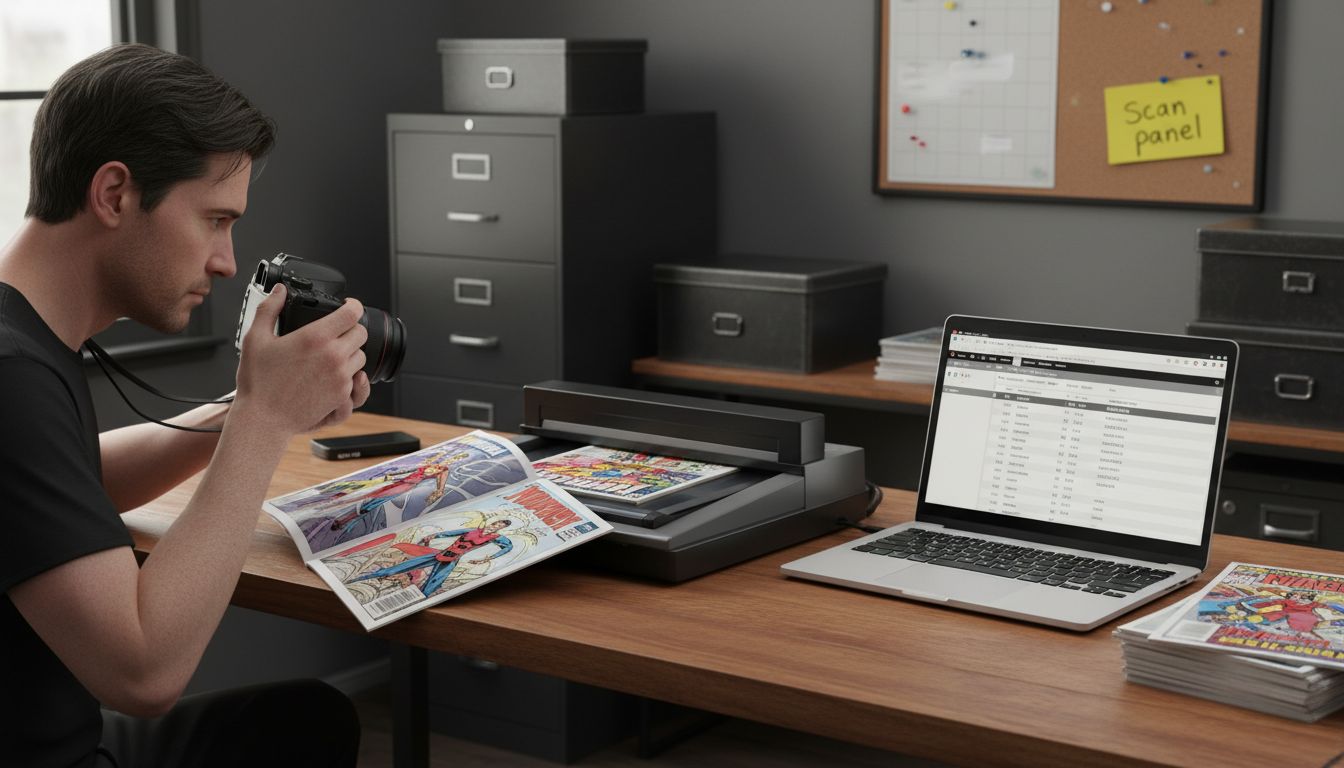
Warning: Consistency is key when digitizing your collection. Develop a standardized approach to photographing, scanning, and documenting each comic to ensure your digital archive remains uniform and easily searchable. Taking time to create a meticulous digital record now will save you considerable effort and potential frustration in the future.
With your collection now carefully cataloged and digitized, you are prepared to explore advanced preservation and display strategies for your comic book archive.
Step 4: Implement Preservation Techniques
Preserving your comic book collection requires a strategic approach that goes beyond basic storage solutions. Conservation techniques for paper based materials emphasize the critical importance of creating an environment that minimizes potential damage and slows natural deterioration processes.
Specialized preservation guidelines from comic book archival experts recommend implementing a comprehensive protection strategy. This includes maintaining consistent environmental conditions with stable temperature and humidity levels around 68 degrees Fahrenheit and 50 percent relative humidity. Wear clean cotton gloves when handling comics to prevent oil and dirt transfer, and always handle comics by their edges. Consider using archival grade preservation enclosures that provide protection from light exposure and atmospheric pollutants. Rotate displayed comics periodically to prevent prolonged UV light damage and minimize potential fading or color degradation.
Warning: Avoid common preservation mistakes like storing comics in basements or attics with fluctuating temperatures, using non archival storage materials, or exposing comics to direct sunlight. Even minor environmental stressors can cause significant long term damage to your valuable collection. Investing time and resources in proper preservation techniques now will protect your comics potential historical and monetary value for decades to come.
With your preservation strategy established, you are now ready to explore advanced display and presentation methods for your carefully maintained comic book archive.
Step 5: Verify Organization and Accessibility
Creating a well-organized comic book archive goes beyond simple storage and requires strategic planning to ensure seamless retrieval and long term preservation. Professional collectors recommend developing comprehensive organization strategies that transform your collection from a random assortment of comics into a meticulously managed personal library.
Begin by implementing a clear and consistent labeling system that allows instant identification of each comic book. Create color coded or numbered tags that correspond with your digital inventory, marking each comic with its unique identifier. Develop a physical layout that groups comics by specific categories such as genre, publication year, artist, or rarity. Consider creating a master index that cross references your physical collection with your digital catalog, ensuring you can locate any comic within minutes. Include additional metadata like condition grade, purchase date, and estimated value to enhance your archival documentation.
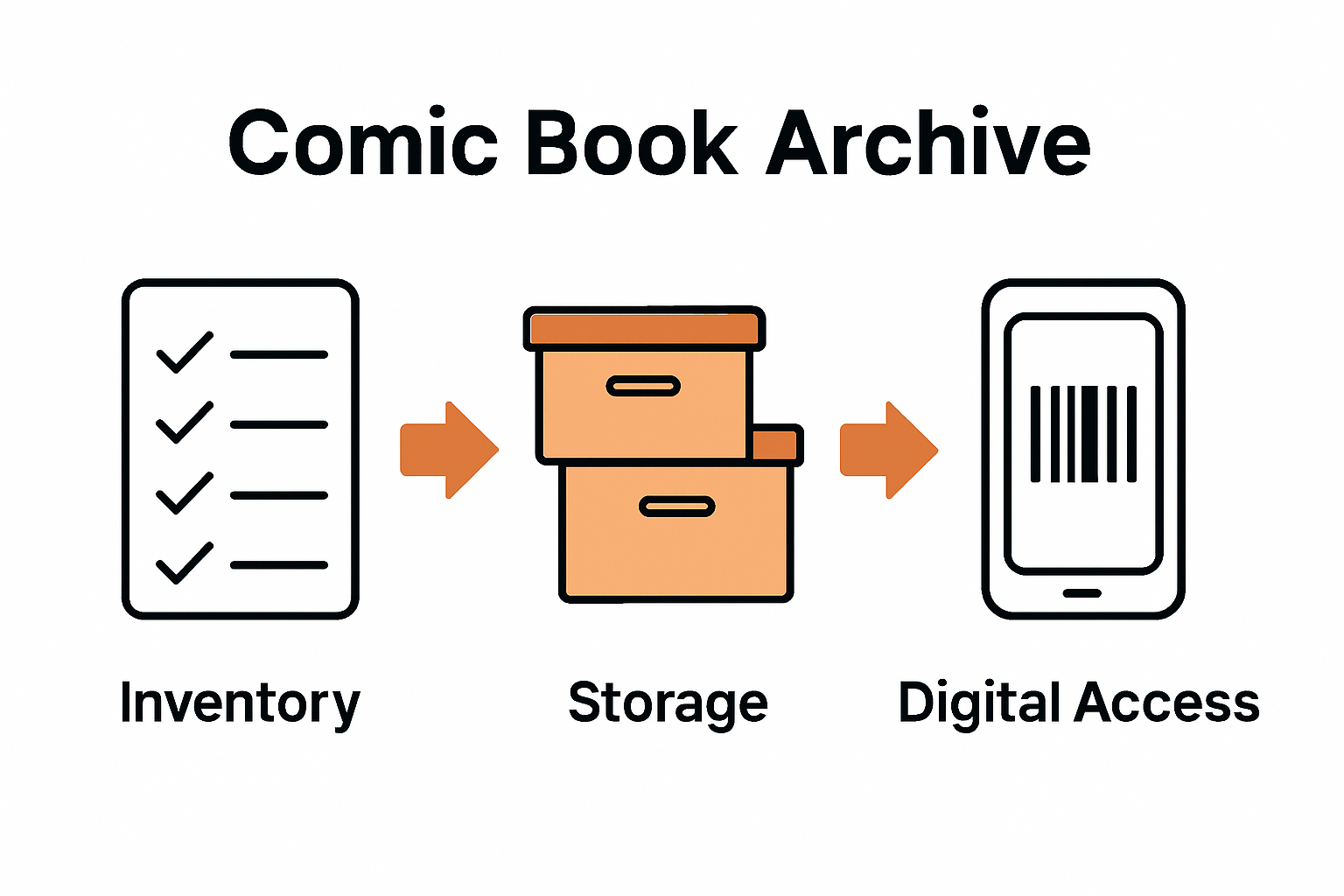
Warning: Periodically audit your organization system to prevent potential drift or inconsistencies. What works perfectly today might become unwieldy as your collection grows. Schedule quarterly reviews of your cataloging approach and be willing to adjust your method to maintain optimal accessibility. A static or neglected organization system can quickly become a chaotic jumble that undermines the careful preservation work you have already completed.
With your comic book archive now systematically organized and easily accessible, you have successfully transformed your collection into a professionally managed personal museum.
Elevate Your Comic Book Archive with Exclusive Collector’s Editions and Artworks
Managing a comic book collection means tackling challenges like proper preservation, precise cataloging, and secure storage while protecting the value of your treasured pieces. The article highlights key goals such as selecting archival-grade materials, maintaining consistent environmental conditions, and creating a digital inventory to ensure your collection stays in pristine condition for years. These important steps deserve equally dedicated products that support your storage needs and enhance your archive’s uniqueness.
Discover a curated selection of limited-edition comics, collector’s editions, and original artworks at The Mansion Press that bring exclusivity and professional quality to your collection. Explore unique collector’s editions and artist showcases crafted by independent creators who understand the passion and care collectors put into their archives.
Start building a truly extraordinary comic book archive today with carefully chosen pieces that complement your preservation efforts. Visit The Mansion Press to find exclusive items that honor your collection’s value, capture artistic excellence, and inspire your passion for comics. Don’t wait to enhance your archive with rare finds designed for serious collectors like you.
Frequently Asked Questions
How do I assess the collection needs for my comic book archive?
To assess your comic book archive’s needs, begin by conducting an inventory of your collection, categorizing comics by size, age, condition, and rarity. Then, measure your available storage spaces and consider environmental factors like temperature and humidity levels.
What storage solutions are best for preserving comic books?
Invest in high-quality archival-grade storage materials, such as Mylar sleeves and acid-free backing boards. Make sure these materials are specifically designed for comic preservation to protect your comics against dust, moisture, and physical damage.
How can I effectively catalog and digitize my comic book collection?
Create a detailed digital inventory that includes key information about each comic, such as publication date, condition, and market value. Use a consistent method for photographing and documenting each comic to ensure your records are organized and easily searchable.
What preservation techniques should I implement for my comics?
Maintain stable environmental conditions with controlled temperature and humidity levels, ideally around 68 degrees Fahrenheit and 50 percent relative humidity. Handle your comics with clean cotton gloves and use archival-grade enclosures to protect against light and other potential damage.
How can I ensure my comic book archive is well-organized and accessible?
Develop a clear labeling system that allows for immediate identification of each comic in your collection. Regularly review and audit your organization system to adjust for consistency and prevent chaos as your collection grows.
Recommended
- Creating a Comics Archive: Step-by-Step Guide for Collectors – The Mansion Press
- 8 Essential Reads for Comics Collectors’ Education – The Mansion Press
- Mastering Collecting Underground Comics Challenges Easily – The Mansion Press
- How to Care for Comics: Essential Tips for Preservation – The Mansion Press