

Why Collect Rare Art Books – Cultural Value and Investment
Collectors across the American art scene are captivated by rare art books, with some volumes fetching over one million dollars at international auctions. These extraordinary artifacts blend artistry, history, and culture in ways a digital image could never replicate. Their appeal lies not just in scarcity or age but in how they capture creative movements and showcase distinctive craftsmanship. Discover what sets rare art books apart and why they hold such powerful sway for American collectors and enthusiasts alike.
Table of Contents
- Defining Rare Art Books And Their Appeal
- Distinct Types Of Rare Art Books Explained
- Artistic, Historical, And Cultural Significance
- Investment Potential And Value Appreciation
- Care, Preservation, And Authenticity Issues
Key Takeaways
| Point | Details |
|---|---|
| Definition of Rare Art Books | Rare art books are cultural artifacts that embody historical significance, artistic movements, and visual narratives, influenced by factors like condition and market demand. |
| Diversity in Types | They encompass various categories, including treasure bindings and artist-signed editions, offering unique insights into creative worlds. |
| Cultural and Historical Value | These books serve as critical documents preserving artistic expressions and societal transformations, acting as living testimonies of human creativity. |
| Investment Considerations | Collectors should balance emotional connections with strategic assessments for potential financial returns, being aware of authenticity and preservation needs. |
Defining Rare Art Books and Their Appeal
Rare art books represent far more than simple printed volumes. They are cultural artifacts that capture visual narratives, artistic movements, and historical moments through meticulously crafted publications. Understanding their unique characteristics requires examining multiple dimensions beyond traditional book collecting.
A book’s rarity isn’t determined solely by age, but by a complex interplay of factors. College archival research suggests that true scarcity emerges from a combination of historical significance, physical condition, and market demand. Some rare art books might be valuable due to limited print runs, unique illustrations, artist signatures, or their representation of pivotal artistic periods.
Collectors are often drawn to rare art books for several compelling reasons. These publications offer intimate glimpses into artistic processes, featuring original sketches, personal annotations, and high-quality reproductions that traditional gallery exhibitions cannot replicate. Understanding artbook collecting fundamentals becomes crucial for enthusiasts seeking to build meaningful collections that transcend mere monetary value.
The appeal of rare art books lies in their multifaceted nature. They serve simultaneously as historical documents, aesthetic objects, and potential investment vehicles. Whether showcasing avant-garde illustration techniques, documenting underground art movements, or preserving visual narratives from specific cultural moments, these books represent more than static repositories of information – they are living, breathing representations of artistic expression.
Distinct Types of Rare Art Books Explained
Rare art books manifest in diverse categories, each representing a unique intersection of artistic expression, historical documentation, and collector’s passion. These publications range from meticulously crafted limited editions to extraordinary volumes that transcend traditional publishing boundaries, offering collectors distinctive windows into creative worlds.
One remarkable category includes treasure bindings, which represent the pinnacle of bookmaking artistry. These extraordinary volumes feature luxurious covers adorned with intricate metalwork, precious jewels, and occasionally carved ivory, transforming books from mere text repositories into stunning sculptural artifacts. Such books are prized not just for their content, but for their extraordinary craftsmanship and visual splendor.
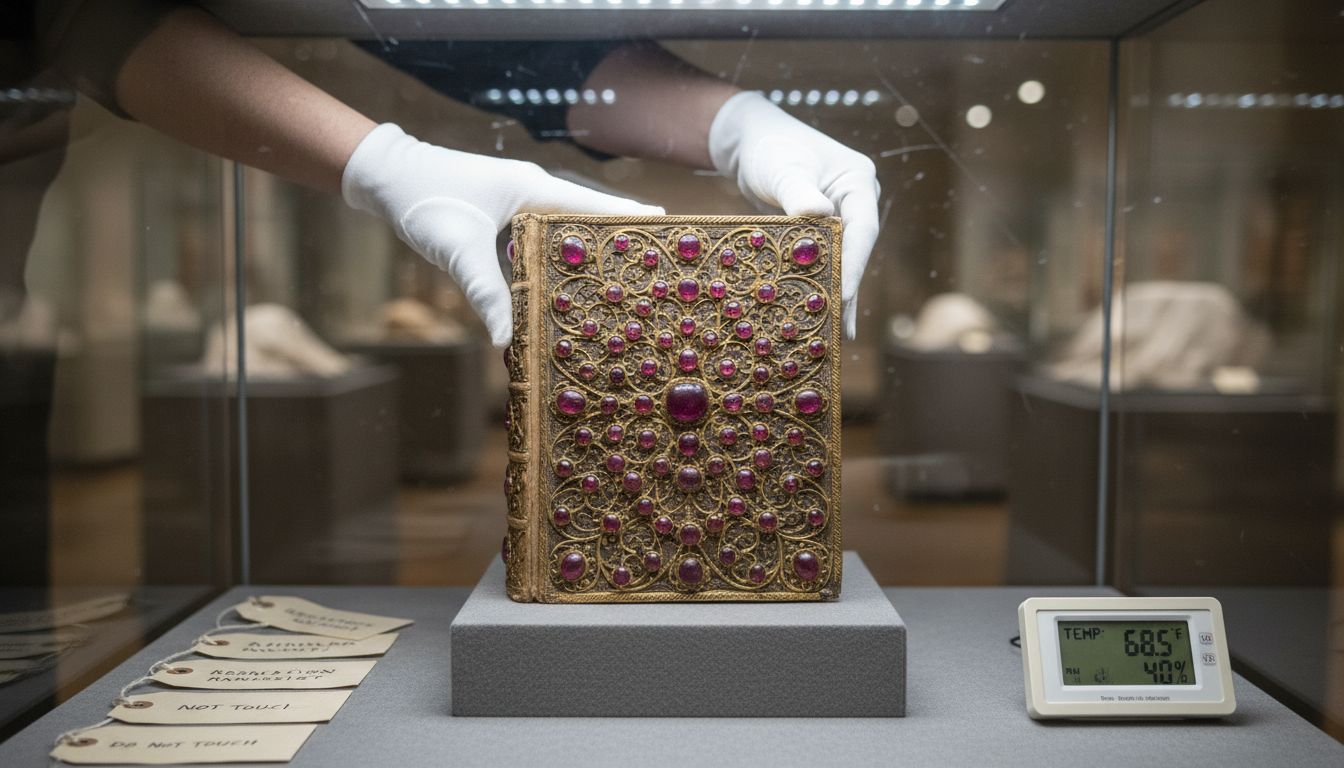
Collectors often seek specialized rare art book types that represent significant artistic movements or unique production techniques. Exploring artbook curation methods reveals several compelling subcategories: artist-signed limited editions, hand-illustrated manuscripts, avant-garde print runs, historical documentation volumes, and experimental design publications. Each type offers collectors a distinctive narrative beyond conventional printed materials.
The taxonomy of rare art books extends beyond physical characteristics to encompass intellectual and cultural significance. Some volumes become rare through their representation of groundbreaking artistic periods, while others gain value through their documentation of emerging creative movements. Whether showcasing underground art collectives, preserving ephemeral design concepts, or capturing pivotal moments in visual culture, these books serve as tangible archives of human creativity – transforming from simple printed objects into complex cultural artifacts that bridge past and present artistic expressions.
Artistic, Historical, and Cultural Significance
Rare art books transcend mere physical objects, serving as profound conduits of cultural memory and artistic expression. They represent complex narratives that capture the nuanced evolution of creative movements, intellectual thought, and societal transformations across different historical periods.
Artists’ books from innovative publications reveal extraordinary insights into cultural and artistic landscapes. These volumes are not simply repositories of information, but dynamic artifacts that reflect the intellectual and aesthetic sensibilities of their time. Each carefully crafted page becomes a window into the creative processes, philosophical considerations, and visual languages of specific artistic communities.
Rare books serve as critical historical documents that preserve intricate details often overlooked by traditional historical records. They capture moments of cultural transition, documenting social movements, artistic innovations, and intellectual discourse with a depth and intimacy that conventional historical texts cannot achieve. Whether showcasing underground artistic collectives, experimental design movements, or marginalized creative voices, these books become tangible archives of human expression.
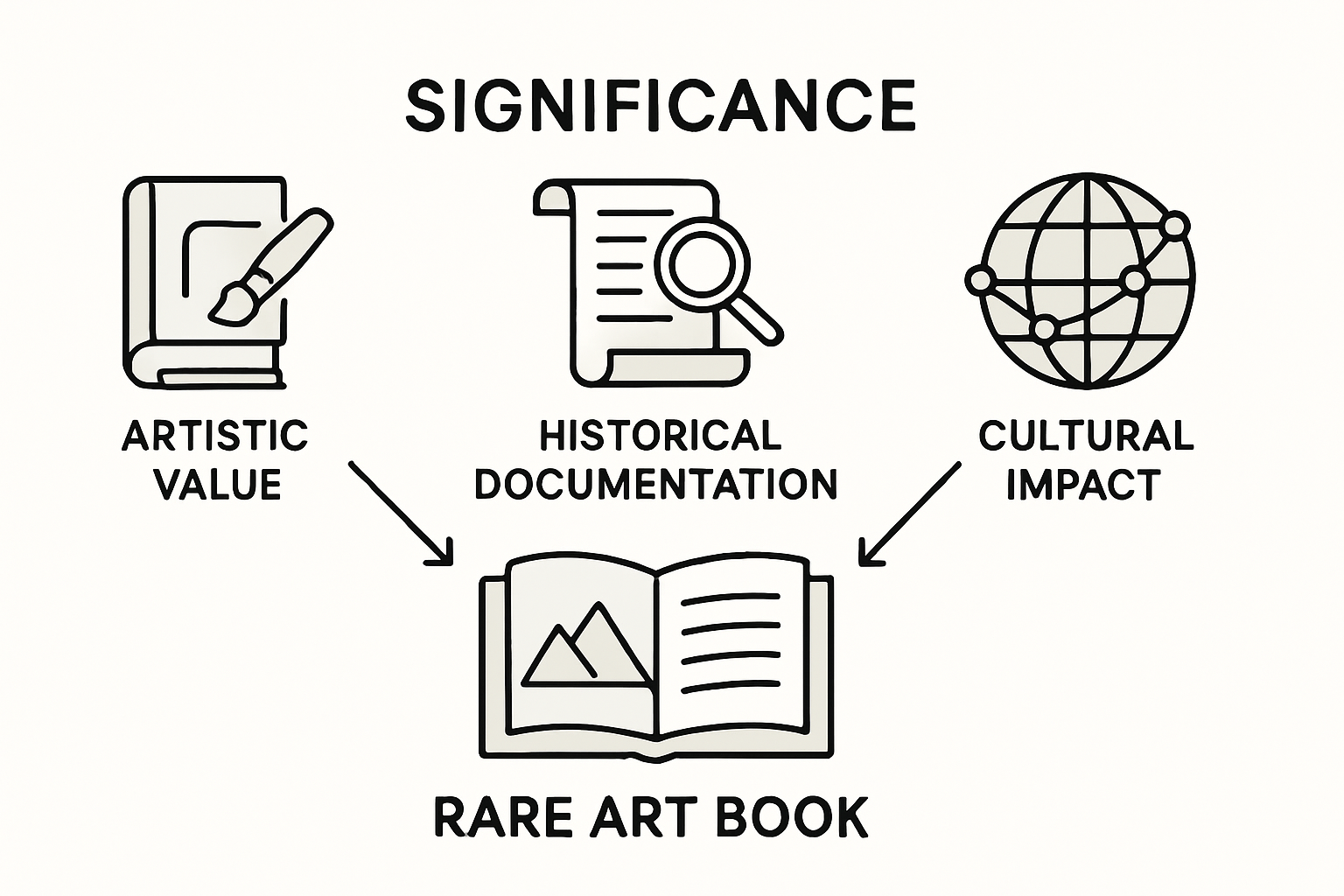
The cultural significance of rare art books extends beyond their immediate artistic value. They function as historical artifacts, intellectual provocations, and aesthetic objects simultaneously. Collectors and scholars recognize these publications as more than mere printed materials – they are living testimonials to human creativity, preserving complex narratives that might otherwise be forgotten or overlooked in mainstream historical accounts.
Investment Potential and Value Appreciation
Rare art books represent a sophisticated investment landscape that extends far beyond traditional financial assets. Unlike stocks or bonds, these unique publications offer collectors an opportunity to combine cultural appreciation with potential financial returns, creating a nuanced approach to asset diversification that intertwines passion and economic strategy.
The valuation of rare books involves complex considerations that go well beyond simple scarcity metrics. Serious collectors understand that a book’s investment potential depends on multiple interconnected factors: historical significance, physical condition, artist reputation, edition rarity, and current market demand. Some volumes may appreciate dramatically, while others remain relatively stable, making thorough research and expert consultation critical for informed collecting.
Market dynamics in rare art book collecting can be remarkably unpredictable. Certain publications might experience exponential value growth due to emerging artistic movements, rediscovered artists, or shifting cultural perspectives. Collectors who develop deep knowledge of specific artistic periods, publishing trends, and emerging creative networks can identify potential high-value acquisitions before they become mainstream investment targets.
Successful rare art book investment requires a holistic approach that balances emotional connection with strategic assessment. Sophisticated collectors treat these volumes as living assets – documenting cultural narratives while maintaining their physical integrity. Proper preservation, understanding provenance, and staying connected with specialized art book markets become essential strategies for maximizing both cultural and financial value over time.
Care, Preservation, and Authenticity Issues
Rare art books demand meticulous care and strategic preservation to maintain their intrinsic cultural and financial value. These delicate publications require a sophisticated approach that goes beyond casual handling, incorporating specialized techniques that protect their physical integrity and historical significance.
A book’s condition represents a critical factor in determining its long-term value, making preservation an essential consideration for serious collectors. Environmental factors like humidity, temperature, light exposure, and handling practices can dramatically impact a rare art book’s condition. Collectors must create controlled storage environments that minimize potential degradation, utilizing acid-free archival materials, maintaining consistent temperature and humidity levels, and implementing careful handling protocols.
Authenticity verification becomes paramount in the rare art book market. Sophisticated collectors recognize that a book’s market value hinges not just on its physical condition, but on its verifiable provenance. Expert authentication involves examining multiple elements: paper quality, printing techniques, artist signatures, edition markers, and historical documentation. Collectors often collaborate with specialized appraisers and art historians to confirm a volume’s genuine origins and assess its historical and artistic significance.
Ultimately, preserving rare art books requires a holistic approach that balances scientific preservation techniques with deep respect for the artifact’s cultural narrative. This means understanding not just how to physically protect these volumes, but also how to contextualize their artistic and historical importance. Successful preservation transforms these books from mere objects into living historical documents, ensuring their continued relevance for future generations of artists, scholars, and collectors.
Discover and Invest in Rare Art Books with The Mansion Press
Identifying, acquiring, and preserving rare art books can be a challenge that demands both passion and expertise. Whether you are drawn to their cultural significance, unique artistic expression, or their promising investment potential, finding authentic and well-curated pieces is essential. At The Mansion Press, we understand the importance of building a collection that reflects your connection to groundbreaking art and historical narratives while ensuring long-term value and authenticity.

Explore our carefully curated selection of limited-edition artbooks, signed copies, and collector’s editions designed to satisfy collectors and enthusiasts who seek deeper engagement with creative communities. Visit The Mansion Press today and start your journey toward owning exceptional art publications that combine emotional depth with investment opportunity. Don’t wait — rare treasures await those who act now.
Frequently Asked Questions
What defines a rare art book?
A rare art book is characterized by its cultural significance, historical context, unique production features, and limited availability. Factors such as artist signatures, specialized editions, and the book’s contribution to artistic movements enhance its rarity and value.
Why should I consider collecting rare art books?
Collecting rare art books provides a way to engage deeply with artistic narratives while potentially realizing financial gains. These books are not only valuable cultural artifacts but also fill personal collections with aesthetic beauty and historical insights, making them a worthwhile pursuit for collectors.
How do I assess the investment potential of a rare art book?
Evaluating the investment potential of a rare art book involves analyzing its historical importance, physical condition, market demand, and the reputation of the artist. An understanding of current market trends and thorough research can help identify books with high appreciation potential.
What preservation methods should I use for rare art books?
Preserving rare art books requires careful handling and controlled storage environments. Use acid-free archival materials, maintain stable temperature and humidity levels, and minimize light exposure to protect these delicate volumes from degradation.
Recommended
- Understanding Artbook Collecting Basics for Enthusiasts – The Mansion Press
- Expert Tips for Finding Out-of-Print Artbooks Anywhere – The Mansion Press
- How Artbooks Are Curated – Impact on Art Collectors – The Mansion Press
- Understanding Collecting Rare Comics Guide for Enthusiasts – The Mansion Press
- Valuation is Now Even More Important in Alternative Investments - Future Family Office