

Why Collect Indie Comics: Artistic Value and Cultural Impact
Over fifty percent of indie comics never enter mainstream stores, making them rare finds for passionate American collectors. Independent comics have created space for artists worldwide to break free from conventional publishing and tell stories their way. From unique print styles to groundbreaking narratives, this movement continues to shape artistic expression and challenge what comics can be—offering enthusiasts a chance to experience creativity unfiltered by commercial restraints.
Table of Contents
- Defining Indie Comics And Their Origins
- Unique Artistry And Creative Voices
- Market Trends And Rarity Factors
- Investment Potential And Collecting Strategies
- Common Misconceptions And Pitfalls To Avoid
Key Takeaways
| Point | Details |
|---|---|
| Indie Comics Definition | Indie comics are independent works that prioritize artistic expression over commercial constraints, allowing for unconventional storytelling. |
| Artistic Autonomy | They feature complete creative control for artists, which leads to unique narratives and deep connections with readers. |
| Market Dynamics | The indie comics market thrives on rarity and innovation, with collector value linked to artistic uniqueness rather than just print quantity. |
| Collecting Strategies | Successful indie comic collectors focus on tracking emerging artists, understanding print history, and maintaining the physical condition of their collections. |
Defining Indie Comics and Their Origins
Independent comics, or indie comics, represent a vibrant artistic movement outside mainstream publishing channels. These unique graphic narratives emerged as a powerful form of creative expression, allowing artists to explore unconventional storytelling techniques and perspectives free from commercial constraints.
The origins of indie comics can be traced to various global movements, with significant developments in different regions. In the United Kingdom, small press comics emerged in the early 1980s, serving as alternative platforms for amateur creators to publish work outside traditional publishing routes. These stripzines became comparable to American minicomics and Japanese doujinshi, providing artists unprecedented creative freedom.
Similar independent comic movements appeared worldwide. In Indonesia, for instance, indie comics emerged in the mid-1990s through art college movements in cities like Yogyakarta, Bandung, and Jakarta. These comics aimed to revive local storytelling traditions that had disappeared since the late 1980s, demonstrating how indie comics often serve as cultural preservation mechanisms.
Indie comics distinguish themselves through several key characteristics: complete artistic autonomy, limited print runs, experimental narrative styles, and direct artist-to-reader connections. They challenge traditional comic book industry norms by prioritizing artistic integrity over commercial success.
Here is a summary of how indie comics differ from mainstream comics:
| Aspect | Indie Comics | Mainstream Comics |
|---|---|---|
| Creative Control | Full artist autonomy | Editorial oversight |
| Print Run Size | Often limited, small batch | Large-scale national distribution |
| Narrative Approach | Experimental, personal, unconventional | Formulaic, broad audience focus |
| Reader Connection | Direct artist-to-reader relationships | Retail or digital intermediaries |
Pro Tip: Network with local independent comic creators and attend small press comic conventions to discover unique, groundbreaking graphic narratives that challenge mainstream storytelling conventions.
Unique Artistry and Creative Voices
Indie comics represent far more than simple visual narratives - they are profound expressions of individual artistic perspectives. Scientific research suggests that creative styles are inherently recognizable across artistic domains, revealing how each artist develops a distinctive visual language that transcends traditional storytelling boundaries.
These unique creative voices manifest through unconventional storytelling techniques, experimental graphic designs, and deeply personal narrative approaches. Artists like Rachael House exemplify this artistic individuality through her groundbreaking queer comics, which challenge societal norms and explore complex themes of identity, representation, and social commentary. Her work demonstrates how indie comics serve as powerful platforms for marginalized voices to express nuanced perspectives.
The experimental graphic storytelling in indie comics often breaks traditional narrative structures, utilizing innovative panel designs, non-linear storytelling, and mixed media techniques. These artistic choices reflect creators’ commitment to pushing visual storytelling beyond conventional boundaries, transforming comics from mere entertainment into profound artistic statements.
Unique artistic voices in indie comics are characterized by their fearless exploration of personal experiences, social issues, and emotional landscapes. By prioritizing individual expression over commercial appeal, these artists create works that are raw, authentic, and transformative.
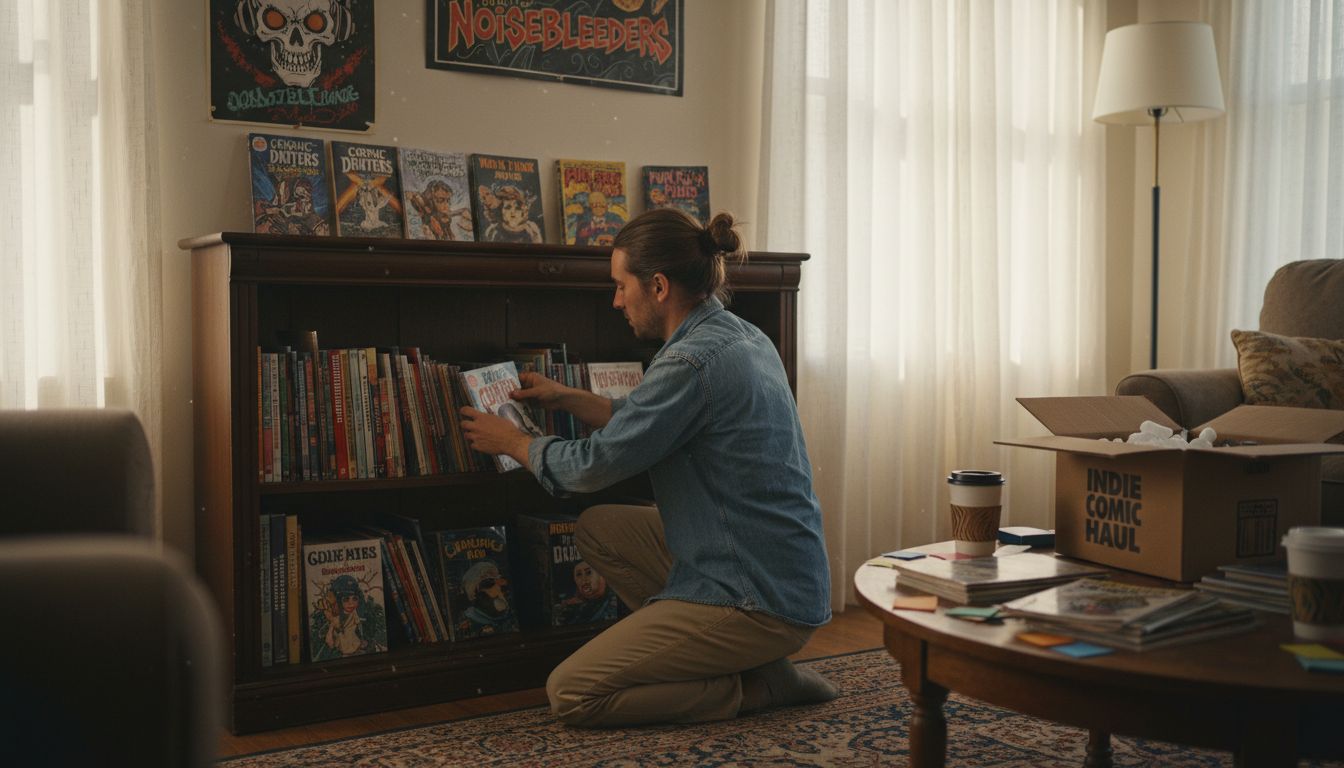
Pro Tip: Attend local comic conventions and independent art shows to discover emerging artists who are redefining visual storytelling through their distinctive creative voices.
Market Trends and Rarity Factors
The indie comics market is driven by unique dynamics of scarcity and artistic innovation. Minicomics, often produced in limited print runs using inexpensive methods like photocopying, represent a critical segment of this collector’s ecosystem, where rarity directly correlates with collectible value and artistic significance.
The Modern Age of Comic Books, beginning in 1985, dramatically transformed market trends by introducing creator-owned projects and unique storytelling approaches. This period marked a significant shift, empowering independent artists to explore unconventional narratives that challenged mainstream comic book conventions. Collectors increasingly valued these distinctive works for their originality and limited availability.
Rarity factors in indie comics encompass multiple dimensions beyond simple print quantity. Limited edition runs, hand-crafted production methods, unique artistic techniques, and personal significance contribute to a comic’s collectible status. Rare comic collectors understand that value extends beyond numerical scarcity, incorporating elements of artistic innovation, cultural relevance, and creator reputation.
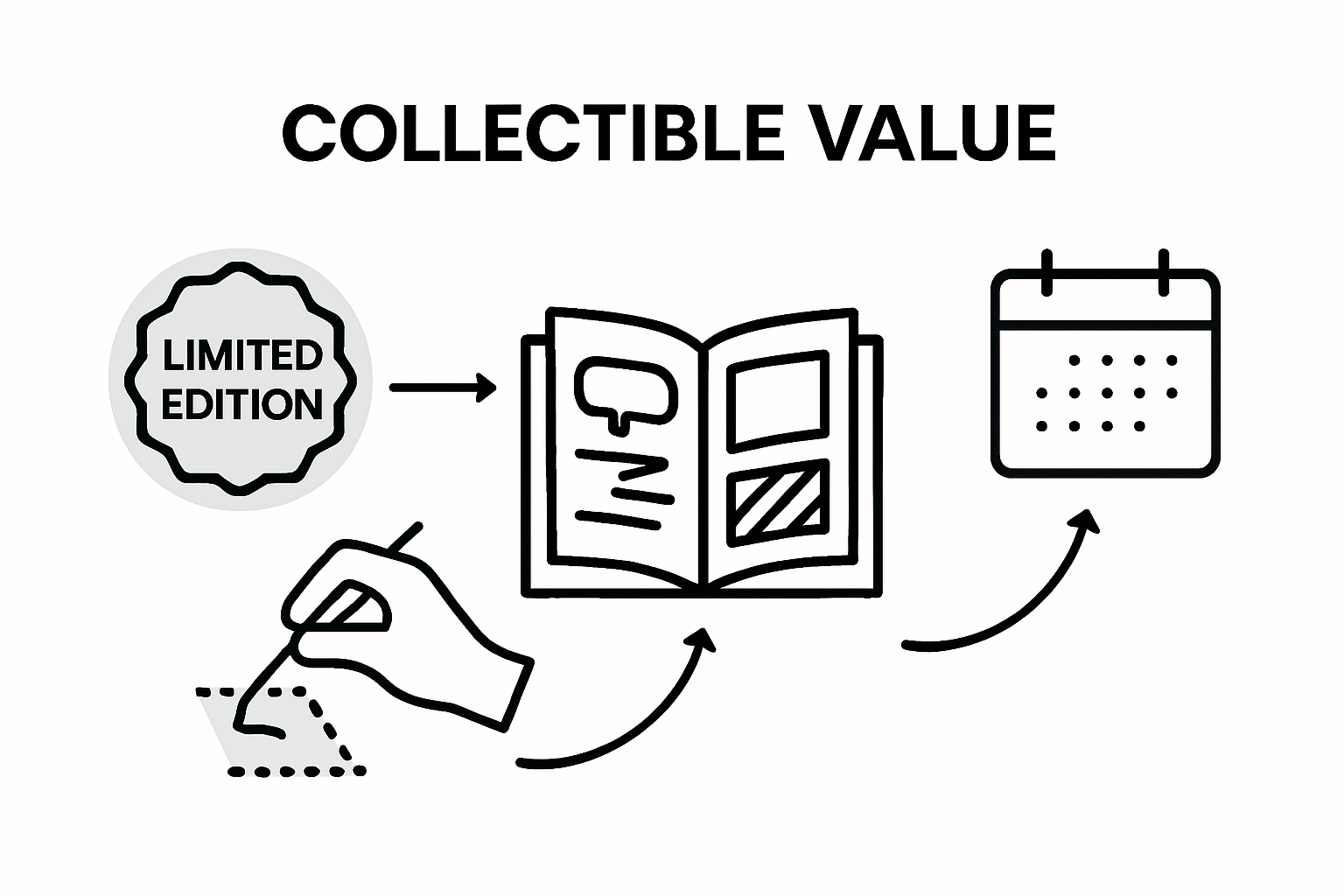
Market trends indicate growing appreciation for indie comics as legitimate artistic investments. Emerging collectors are increasingly recognizing these works not just as entertainment, but as cultural artifacts that capture specific moments in artistic expression. The market rewards originality, technical skill, and narrative complexity.
Pro Tip: Research print run sizes and track emerging indie artists to identify potential future collectibles before they become widely recognized.
Investment Potential and Collecting Strategies
Underground comix from the 1960s and 1970s represent a fascinating investment landscape within indie comic collecting, where historical significance and extreme rarity create unique value propositions for discerning collectors. These countercultural artifacts transcend traditional comic book investments by embodying critical social narratives and artistic rebellion.
The Modern Age of Comic Books introduced transformative market dynamics that fundamentally reshaped collector strategies, emphasizing unique characters and innovative storytelling. Serious collectors now approach indie comics as nuanced investment assets, analyzing factors like artist reputation, print run limitations, and cultural significance beyond mere monetary value.
Collecting strategies for indie comics demand sophisticated approaches. Successful collectors focus on multiple dimensions: tracking emerging artists, understanding print history, preserving comic condition, and recognizing potential future cultural importance. Investors interested in graphic novel investments can leverage detailed market research to make informed acquisition decisions.
Emergent collectors should develop comprehensive evaluation frameworks that consider artistic merit, historical context, creator trajectory, and potential long-term cultural significance. Indie comics represent more than financial investments - they are tangible representations of artistic movements and social dialogues.
Pro Tip: Document and photograph your collection meticulously, maintaining detailed provenance records that can substantiate the historical and artistic value of your indie comic investments.
The following table highlights key strategies for successful indie comic collecting:
| Strategy | Purpose | Long-Term Benefit |
|---|---|---|
| Track Emerging Artists | Discover future influential creators | Early access to valuable works |
| Research Print History | Authenticate and verify rarity | Informed investment decisions |
| Preserve Physical Condition | Maintain comic integrity | Higher resale and historical value |
| Document Provenance | Record ownership and history | Supports authenticity for resale |
Common Misconceptions and Pitfalls to Avoid
Minicomics often suffer from unfair misconceptions about their quality and artistic merit, with many potential collectors mistakenly assuming that self-published works lack professional standards. Contrary to this belief, numerous renowned artists have launched their careers through minicomics, demonstrating that these compact publications can be profound vehicles for artistic expression and innovation.
Underground comix represent another domain frequently misunderstood by casual collectors, who often assume these works are solely focused on provocative content. While these comics do explore mature themes, they frequently serve as critical platforms for nuanced social and political commentary, offering far more depth than superficial shock value.
Common collecting pitfalls include overemphasizing monetary value while neglecting artistic significance. Rare comic collectors must develop sophisticated evaluation frameworks that transcend simple price assessments. Successful collectors recognize that true value emerges from understanding an artwork’s cultural context, creator’s trajectory, and potential long-term historical importance.
Inexperienced collectors often make critical errors such as purchasing without proper authentication, failing to maintain appropriate preservation conditions, or chasing trending artists without understanding deeper artistic movements. These mistakes can significantly diminish both the financial and cultural value of an indie comic collection.
Pro Tip: Always research the artist’s background, verify authenticity through multiple sources, and prioritize preservation techniques that protect your comics’ physical and artistic integrity.
Discover and Collect Indie Comics That Resonate with Your Artistic Passion
If you are captivated by the unique artistry and cultural impact of indie comics highlighted in this article you understand the challenge of finding authentic and limited-edition works that truly express distinctive creative voices and narratives. Many collectors struggle with sourcing pieces that combine rarity with artistic integrity while directly supporting independent artists. Your goal is to build a meaningful collection that reflects personal expression and cultural significance without compromise.
Explore the exclusive selection at The Mansion Press where each comic and artbook is carefully curated to showcase groundbreaking creators and innovative storytelling in the indie comics world. Act now to access limited edition releases and pre-order opportunities that let you connect directly with visionary artists before these unique treasures become rare. Start building your collection with confidence by visiting The Mansion Press website and discover the perfect blend of artistic value and cultural relevance in every purchase.
Unlock the next chapter in your collection journey today at The Mansion Press and invest in stories that matter.
Frequently Asked Questions
What defines indie comics and how do they differ from mainstream comics?
Indie comics are independent publications created outside mainstream publishing, characterized by complete artistic autonomy, limited print runs, and experimental narrative styles. Unlike mainstream comics, they prioritize personal expression over commercial success.
How do rarity and print run size affect the value of indie comics?
Rarity in indie comics is often determined by print run size, artistic techniques, and cultural significance. Limited editions and unique production methods enhance a comic’s collectible status, making them more valuable among collectors.
What are some common misconceptions about indie comics?
A common misconception is that self-published works, such as minicomics, lack artistic merit. However, many renowned artists have started from indie comics, proving that they can offer profound artistic expression and cultural commentary.
What collecting strategies can enhance the investment potential of indie comics?
Successful collecting strategies include tracking emerging artists, researching print history, preserving comics’ physical condition, and documenting provenance. These practices help maintain the comic’s value and authenticity over time.
Recommended
- Why Collect Graphic Novels: Understanding Their Value and Appeal – The Mansion Press
- Understanding Underground Comic Creators: Art and Impact – The Mansion Press
- 7 Educational Insights from Cult Comic Authors Worldwide – The Mansion Press
- 7 Ways the Most Provocative Comics Inspire Collectors – The Mansion Press