

How to Curate an Artbook for Collectors and Creators
Over 60 percent of american artbook projects struggle to connect with the right audience because their creators skip the crucial first step of defining focus. Choosing a clear theme and understanding who you want to reach makes all the difference when you set out to craft a standout visual collection. Knowing how to plan your artbook from the start means your work stands out, appeals to collectors, and finds its place among cherished creative publications.
Table of Contents
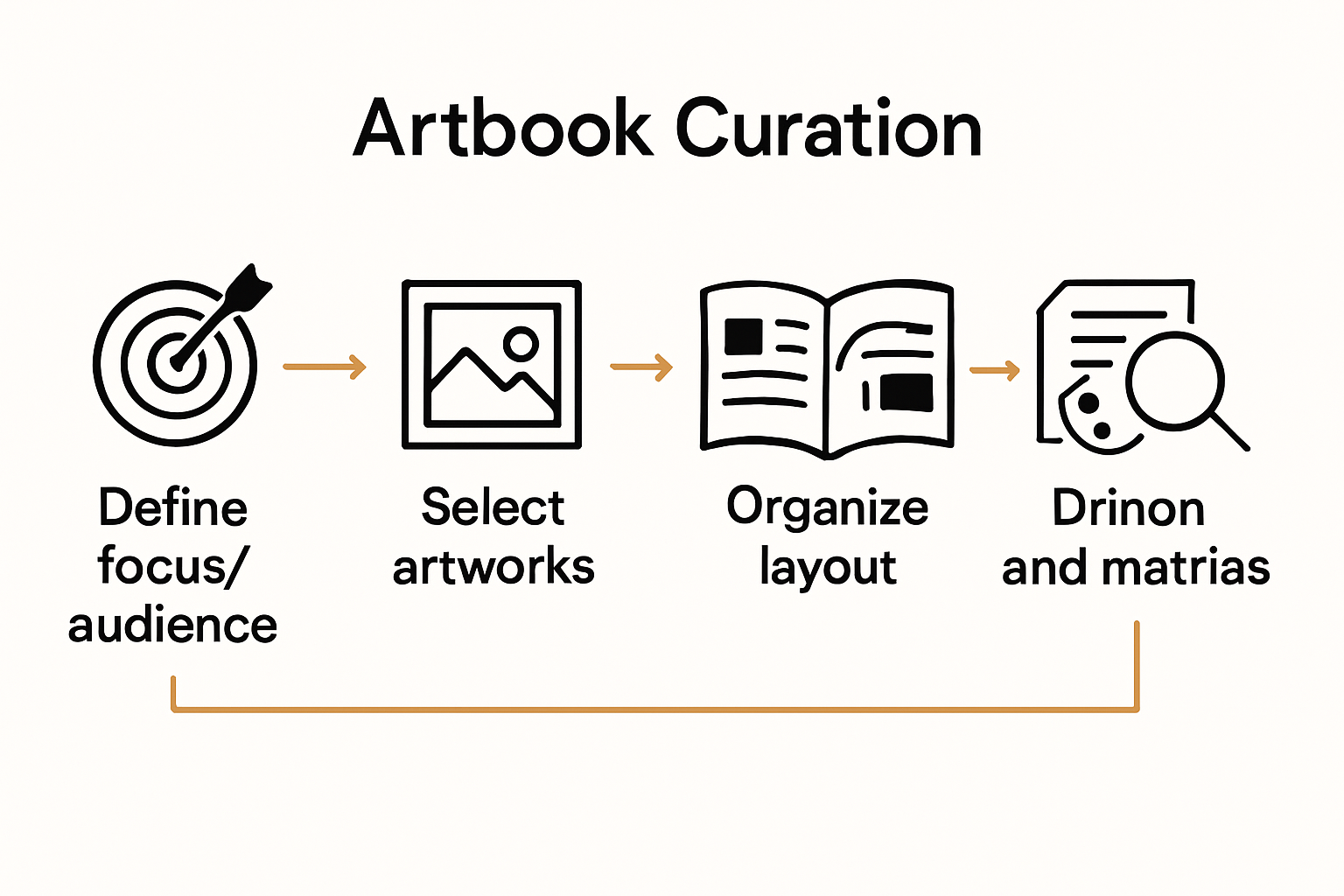
- Step 1: Define Your Artbook’s Focus And Audience
- Step 2: Gather And Select Standout Artworks
- Step 3: Organize Content For Visual Impact
- Step 4: Design Layout And Choose Materials
- Step 5: Review Proofs And Ensure Print Quality
Quick Summary
| Key Point | Explanation |
|---|---|
| 1. Define your artbook’s focus | Establish a clear theme and audience to guide content selection and design decisions. |
| 2. Select standout artworks strategically | Gather diverse pieces and evaluate them based on established aesthetic criteria to create a cohesive story. |
| 3. Organize content for visual impact | Use thematic progression and varied layouts to create a seamless flow and engaging experience for readers. |
| 4. Design thoughtfully with suitable materials | Choose paper types and layouts that enhance the visual experience and match the artistic style of the book. |
| 5. Review proofs meticulously for quality | Conduct a thorough review of printed proofs to ensure color accuracy and alignment with your original artistic vision. |
Step 1: Define your artbook’s focus and audience
Successfully curating an artbook starts with crystal clear vision and strategic targeting. Your artbook’s focus determines everything from content selection to design aesthetic and ultimately who will cherish your creation.
Begin by asking fundamental questions about your artistic narrative. Are you showcasing a specific genre like fantasy illustration, comic art, or concept design? Will your book highlight a single artist’s portfolio or represent a collective of creators? Understanding your core theme helps narrow your creative direction. Understanding Artbook Collecting Basics recommends considering market demand and collector preferences during this initial planning stage.
Next, map out your ideal audience. Comic book enthusiasts differ from fine art collectors. Professional artists seek different content compared to hobbyist admirers. Research who would most appreciate your visual storytelling approach. Create detailed audience personas considering age range, artistic interests, purchasing behaviors, and potential collecting motivations. A well defined audience ensures your artbook resonates with the right readers and commands their attention.
Pro Tip: Create a mood board representing your artbook’s aesthetic and potential audience. This visual planning tool helps crystallize your concept and serves as a strategic reference throughout the curation process.
Step 2: Gather and select standout artworks
Curating an exceptional artbook requires a strategic approach to selecting visual masterpieces that will captivate and inspire your audience. The goal is to assemble a collection that tells a compelling visual story through carefully chosen artwork.
Arxiv research highlights the importance of systematic aesthetic assessment when selecting artworks. Begin by casting a wide net and collecting potential pieces across multiple sources such as original artist portfolios, digital platforms, galleries, and personal networks. Create a preliminary selection pool that represents diverse styles, techniques, and visual narratives. Look for works that demonstrate exceptional technical skill, innovative composition, emotional depth, and unique artistic perspectives.
Evaluate each artwork critically using established aesthetic criteria. As recommended by Griffith University’s educational resource, analyze elements like color harmony, visual balance, originality, and conceptual strength. Consider how individual pieces communicate with each other and contribute to the overall narrative of your artbook. Aim for a curated selection that feels cohesive yet dynamic, showcasing both technical mastery and creative innovation.

Pro Tip: Create a scoring system to objectively rate potential artworks. Develop a rubric that includes technical merit, emotional impact, thematic relevance, and visual uniqueness to help streamline your selection process and maintain high artistic standards.
Step 3: Organize content for visual impact
Crafting an artbook that truly captivates requires strategic content organization that guides the viewer’s eye and tells a compelling visual narrative. Your goal is to transform individual artworks into an immersive experience that flows seamlessly from page to page.
According to Getty Museum’s comprehensive guide, effective content organization begins with establishing a clear thematic progression. Consider arranging your artworks in a sequence that builds visual momentum. This might involve creating intentional transitions between pieces using color palettes, stylistic similarities, or narrative themes. Think of your artbook as a visual journey where each artwork acts as a chapter in a larger story.
Approach your layout with deliberate spatial awareness. Vary the scale and placement of artworks to create visual rhythm and prevent monotony. Some pages might feature a single dramatic full page spread, while others could showcase multiple smaller pieces in carefully balanced compositions. Understanding Visual Narrative suggests using white space strategically to give each artwork breathing room and allow viewers moments of visual rest between intense imagery.
Pro Tip: Create a rough mockup or digital layout prototype before finalizing your artbook design. This allows you to experiment with artwork placement and ensure a dynamic visual flow that maintains viewer engagement throughout the entire publication.
Step 4: Design layout and choose materials
Designing an artbook involves more than simply selecting beautiful images. Your layout and material choices are critical visual storytelling tools that can elevate your publication from ordinary to extraordinary.
Keboto research emphasizes the importance of strategic image placement and color selection. Begin by choosing a paper stock that complements your artwork aesthetic. Matte papers work well for digital art and illustrations, while glossy surfaces can enhance photographic or watercolor works. Consider paper weight and texture as they directly impact how viewers experience your visual narrative. Aim for materials that provide optimal color reproduction and feel substantial enough to match the artworks quality.
Think holistically about your layout design. Typography should be clean and purposeful select fonts that are legible yet unobtrusive. Create margins that give artwork room to breathe while maintaining a sense of intentional composition. Experiment with different page configurations alternating between full page spreads, grid layouts, and asymmetrical designs to maintain visual interest. Pay attention to color palettes that create emotional resonance and ensure consistent color management across different printing processes.
Pro Tip: Request physical paper sample prints before finalizing your design. This allows you to test how colors and textures actually reproduce and helps prevent costly mistakes in the final production.
Step 5: Review proofs and ensure print quality
The final stages of artbook production demand meticulous attention to detail. Your careful review will determine whether your vision translates perfectly from digital design to physical publication.
Academic research emphasizes the critical importance of thorough proofreading. Start by requesting multiple physical proofs from your printer and examine them under different lighting conditions. Check color accuracy by comparing proofs against your original digital files. Pay close attention to color saturation, image sharpness, and how different paper stocks interact with your artwork. Look for subtle details like color bleeding, text clarity, and whether images maintain their intended emotional impact when printed.
According to PSA publishing guidelines, create a systematic review process for your proofs. Develop a detailed checklist that covers every aspect of your artbook including image placement, typography, margins, and overall visual flow. Verify that captions are correctly positioned, artist credits are accurate, and page numbers align with your intended design. Check for any unexpected color shifts or unexpected texture interactions that might compromise your original artistic vision.
Pro Tip: Request color calibration proofs from multiple print vendors. This allows you to compare print quality and select the printer that best represents your artistic vision with minimal compromise.
Bring Your Artbook Vision to Life with The Mansion Press
Curating an artbook for collectors and creators involves thoughtful selection, strategic organization, and a clear artistic vision. Whether you are finalizing layouts or seeking the perfect platform to showcase limited-edition works, The Mansion Press understands that every detail matters. From choosing standout artworks to ensuring print quality, your goal is to craft a compelling visual narrative that resonates deeply with your audience.
Unlock the full potential of your artbook project today by exploring our curated collection of exclusive artbooks, comics, and collector’s editions at The Mansion Press. Connect directly with independent artists and discover unique visual stories that inspire and engage. Don’t wait to make your artbook stand out in the collectors’ world. Visit our homepage now and start building something extraordinary. Discover more about creating and collecting artbooks with resources like Understanding Artbook Collecting Basics and enhance your journey through Understanding Visual Narrative.
Frequently Asked Questions
What steps should I take to define my artbook’s focus and audience?
Start by identifying the core theme of your artbook, such as a specific genre or a single artist’s work, to guide your creative direction. Next, create detailed audience personas considering age, artistic interests, and purchasing behaviors to ensure your artbook resonates with the right readers.
How do I select standout artworks for my artbook collection?
Begin by gathering a wide range of potential pieces from various sources to create a preliminary selection pool. Then, critically evaluate each artwork using criteria like technical skill and emotional impact to ensure a cohesive and captivating collection.
What is the best way to organize the content in my artbook?
Organize your artworks to establish a clear thematic progression that guides the viewer’s eye. Consider creating intentional transitions between pieces and varying the scale and placement of artworks to maintain visual interest throughout the book.
How can I design an effective layout for my artbook?
Choose paper and material that complement your artwork’s aesthetic and consider typography that enhances readability without being intrusive. Experiment with different page configurations and color palettes to create a dynamic and engaging visual experience.
What should I focus on when reviewing proofs for my artbook?
Pay close attention to details like color accuracy, image sharpness, and text clarity in your proofs. Implement a systematic review process that checks every aspect of your artbook, ensuring all elements align with your original design intentions.
How can I ensure high print quality for my artbook?
Request multiple color calibration proofs from different print vendors to compare quality before final production. Analyze each sample for color reproduction and texture interactions to select the printer that best captures your artistic vision.
Recommended
- Understanding Artbook Collecting Basics for Enthusiasts – The Mansion Press
- Mastering Building an Artbook Collection: A Practical Guide – The Mansion Press
- DIY Artbook Publishing: Create Stunning Visual Collections – The Mansion Press
- What Defines an Artbook? Understanding the Essentials – The Mansion Press