

Underground Comics and Music: A Creative Revolution
Most American underground comics and music scenes have changed the way we think about art and rebellion. These movements thrive outside the mainstream, giving a voice to creators who feel unseen or unheard. With over 60 percent of underground comic artists self-publishing their work, this culture redefines authenticity and challenges accepted standards. Discover how American creativity flourishes when artists push boundaries and build new spaces for self-expression.
Table of Contents
- Defining Underground Comics And Music Culture
- Major Genres And Key Artistic Styles
- Pioneering Creators And Milestone Works
- Cross-Influences Between Comics And Music
- Risks, Copyright, And Collectibility Issues
Key Takeaways
| Point | Details |
|---|---|
| Underground Art Forms | Underground comics and music serve as vital expressions of counterculture, prioritizing authenticity over commercial interests. |
| Collaborative Communities | These art movements foster interconnected communities that support artistic innovation and collaboration beyond traditional boundaries. |
| Artistic Integrity | Pioneering creators prioritize their vision and frequently challenge societal norms, transforming their work into powerful social critiques. |
| Legal and Economic Challenges | Underground artists navigate complex copyright laws and market dynamics while striving to maintain their creative freedom and integrity. |
Defining Underground Comics and Music Culture
Underground comics and music represent far more than artistic movements—they are powerful expressions of counterculture, rebellion, and radical creativity. These art forms emerge from the margins, challenging mainstream narratives and creating spaces for marginalized voices and unconventional perspectives. Underground music cultures, like goth and grime, demonstrate how subcultures develop distinct sounds and aesthetics that reject commercial norms.
At their core, underground comics and music share fundamental characteristics. Both prioritize artistic authenticity over commercial appeal, embracing experimental techniques and provocative themes that traditional platforms typically avoid. Comic artists and musicians in these scenes often operate outside established industry structures, self-publishing or producing limited runs that preserve their creative integrity. They reject standardized formats, instead celebrating raw, unfiltered expressions that capture genuine emotional landscapes.
The social dynamics of underground scenes are equally significant. These communities function as interconnected networks where artists support and inspire each other, creating collaborative ecosystems that transcend traditional boundaries. Independent comic publishers, zine makers, basement recording studios, and alternative performance spaces become crucial infrastructure for these creative revolutions. By rejecting mainstream gatekeeping, underground artists develop innovative distribution methods—from DIY print runs to independent music festivals—that directly connect creators with passionate, like-minded audiences.
Ultimately, underground comics and music represent more than artistic genres. They are living, breathing manifestations of cultural resistance, providing platforms for marginalized perspectives and challenging societal expectations. Whether through graphic narratives that deconstruct political systems or musical styles that blend unexpected influences, these art forms continuously redefine creative expression, proving that true innovation emerges from the edges of established cultural landscapes.
Major Genres and Key Artistic Styles
Underground art movements encompass diverse genres that challenge traditional artistic boundaries, blending innovative techniques with raw, unfiltered expression. Horror punk, for instance, represents a compelling fusion of punk rock’s rebellious energy with dark, provocative imagery. Pioneered by bands like the Misfits, this genre exemplifies how underground artists deliberately merge musical styles with unconventional thematic elements, creating soundscapes that deliberately provoke and disrupt mainstream sensibilities.
In the realm of musical underground genres, experimental styles emerge as critical platforms for artistic innovation. Grime music stands out as a quintessential example, representing an electronic dance genre that crystallized in early 2000s London. Characterized by rapid breakbeats and aggressive electronic sounds, grime blends UK garage, jungle, and hip-hop into a distinct urban narrative that captures contemporary street experiences. These genres demonstrate how underground artists transform musical expressions into powerful cultural statements.
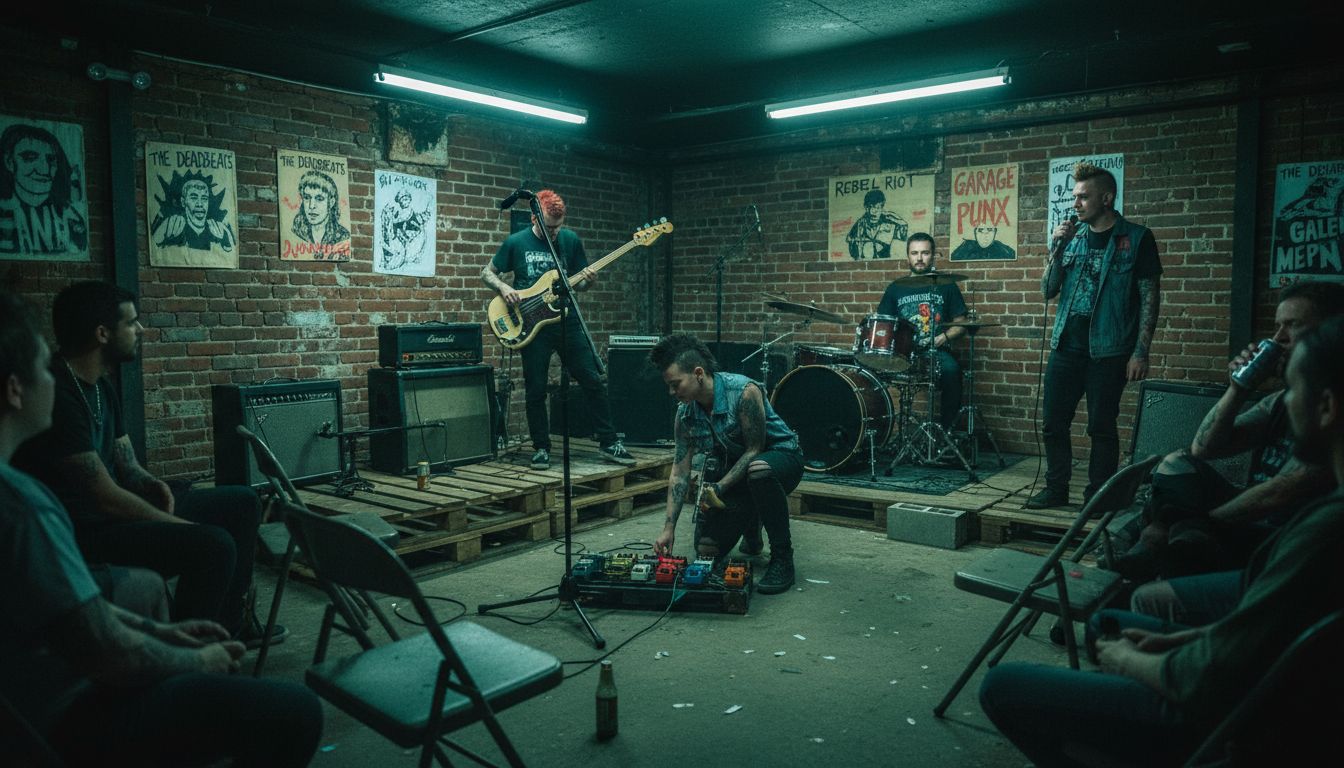
Comics and graphic narratives mirror this spirit of radical reinvention. Underground comic genres like alternative comix, autobiographical narratives, and political satire comics represent deliberate challenges to conventional storytelling. Artists in these domains reject commercial publishing models, instead creating limited-run publications that prioritize authentic voice over marketability. They often use unconventional drawing styles, non-linear narratives, and provocative visual metaphors to communicate complex social critiques.
Ultimately, underground genres across comics and music share fundamental characteristics: they prioritize artistic integrity, challenge existing aesthetic norms, and create spaces for voices traditionally marginalized by mainstream cultural industries. By rejecting standardized formats and embracing experimental techniques, these artists craft immersive experiences that invite audiences to reconsider their understanding of artistic expression, social dynamics, and cultural boundaries.
Pioneering Creators and Milestone Works
The underground arts landscape is defined by visionary creators who deliberately challenge artistic conventions and push creative boundaries. Horrorcore represents a prime example of this revolutionary spirit, with hip hop artists like the Geto Boys transforming music into a provocative medium for exploring dark, supernatural themes. These pioneers demonstrated how underground artists could use unconventional narrative approaches to critique societal norms and expose hidden cultural tensions.
Musical innovators continued to reshape artistic landscapes through radical genre experiments. Dark wave emerged as a profound musical movement, with bands like Bauhaus and Siouxsie and the Banshees creating eerie soundscapes that challenged traditional musical structures. These artists developed introspective sonic landscapes characterized by minor key tonalities, reverb-laden guitars, and deep basslines that communicated complex emotional experiences far beyond mainstream musical conventions.
In the comic art world, underground creators like Robert Crumb, Art Spiegelman, and Harvey Pekar revolutionized graphic storytelling by rejecting commercial publishing models. They developed deeply personal narrative styles that transformed comics from disposable entertainment into legitimate artistic expressions. Crumb’s raw, provocative underground comix challenged social norms, while Spiegelman’s “Maus” demonstrated comics’ potential for profound historical commentary, earning widespread critical acclaim and expanding perceptions of the medium.
These pioneering creators shared a fundamental commitment to artistic authenticity. They refused to compromise their vision for commercial success, instead creating work that challenged audiences, exposed cultural contradictions, and expanded the boundaries of artistic expression. By rejecting established norms and developing unique visual and sonic languages, these artists transformed underground comics and music from marginalized art forms into powerful vehicles for social critique and personal expression.
Cross-Influences Between Comics and Music
Underground comics and music share a profound symbiotic relationship, creating dynamic cross-pollination of artistic ideas and expressive techniques. Hypnagogic pop exemplifies this creative interchange, with musicians like Ariel Pink blurring boundaries between sonic and visual storytelling through nostalgic, lo-fi aesthetics that mirror the fragmented narrative styles of underground comic artists. These creators explore cultural memory through deliberately fractured, non-linear approaches that challenge traditional representational methods.
Visual and sonic artists frequently borrow aesthetic languages from each other, developing complex multilayered creative expressions. Deconstructed club music, with its post-modernist approach and deliberately chaotic soundscapes, shares remarkable conceptual similarities with underground comic art’s radical deconstruction of narrative conventions. Both art forms reject linear storytelling, instead embracing fragmentation, unexpected juxtapositions, and provocative disruptions of audience expectations.
Many underground musicians have deep roots in comic book culture, using graphic novel aesthetics to inform album artwork, stage designs, and conceptual frameworks. Bands like My Chemical Romance and The Misfits built entire musical personas around comic book inspired visual identities, creating immersive multimedia experiences that transcend traditional genre boundaries. Comic artists, conversely, have long drawn inspiration from musical subcultures, incorporating punk, metal, and experimental music references into their visual narratives.
Ultimately, underground comics and music represent interconnected creative ecosystems where artistic boundaries become fluid and permeable. These interdisciplinary exchanges allow artists to challenge established aesthetic norms, create radical new forms of expression, and develop innovative ways of communicating complex emotional and social experiences. By constantly borrowing, reinterpreting, and transforming each other’s languages, comics and music artists generate dynamic cultural dialogues that continuously reshape our understanding of artistic possibility.
Risks, Copyright, and Collectibility Issues
Underground artistic movements navigate complex terrain between creative expression and legal protection, with unique challenges emerging from their non-traditional production models. Underground music scenes have consistently confronted issues surrounding copyright and commercialization, where the tension between artistic integrity and potential monetization creates intricate legal and ethical landscapes. As subcultures gain visibility, artists must strategically balance maintaining their authentic voice while protecting their intellectual property.
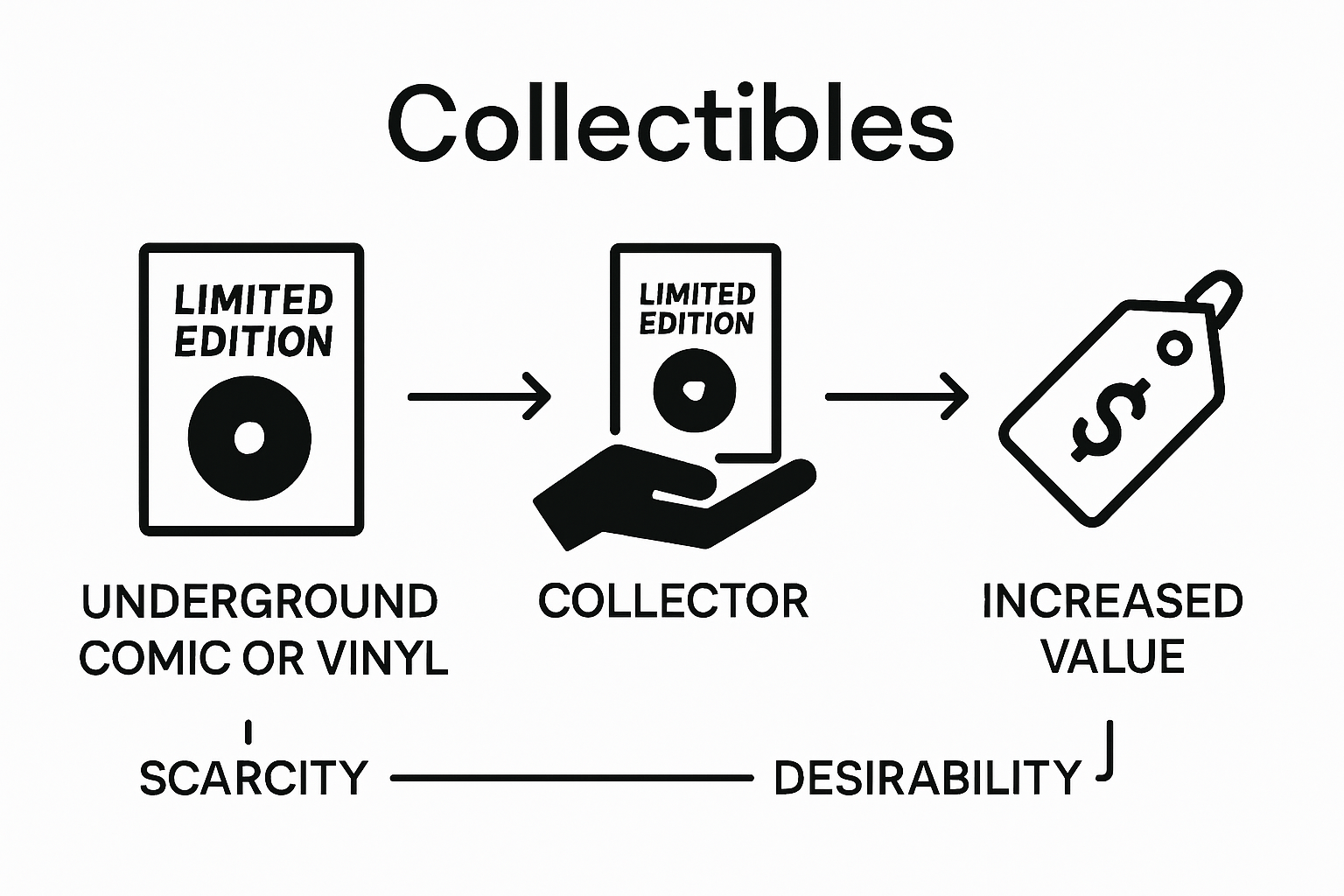
Collectibility represents another critical dimension of underground comics and music. Limited edition works become valuable not just as artistic artifacts, but as cultural documents capturing specific moments of creative rebellion. Rare comic issues and independent music pressings transform from mere objects into historical records, with collectors valuing their scarcity, contextual significance, and representation of countercultural movements. The most sought-after pieces often embody radical aesthetic choices that directly challenge mainstream artistic conventions.
Legal risks in underground arts frequently stem from the inherently transformative nature of these creative practices. Artists often incorporate sampling, appropriation, and recontextualization techniques that push copyright boundaries. Comic artists might remix cultural imagery, while musicians sample and deconstruct existing sound recordings. These practices create complex legal territories where fair use, artistic commentary, and potential infringement intersect, requiring nuanced understanding of intellectual property regulations.
Ultimately, the underground arts ecosystem thrives on a delicate balance between creative freedom and strategic protection. Artists must navigate economic vulnerabilities, legal complexities, and market dynamics while preserving the radical spirit that defines their work. Successful underground creators develop sophisticated approaches to maintaining artistic autonomy, leveraging digital platforms, independent distribution networks, and community support to sustain their innovative practices beyond traditional institutional frameworks.
Discover Authentic Underground Art at The Mansion Press
Are you passionate about the raw, unfiltered creativity that defines underground comics and music cultures? The challenges of finding authentic, limited-edition works that capture the spirit of counterculture are real. At The Mansion Press, we connect you directly with independent artists and comic creators who prioritize artistic integrity over commercial appeal. Explore collections that showcase experimental comics, collector’s editions, and original artworks that embody the cultural resistance and radical innovation described in “Underground Comics and Music: A Creative Revolution.”
Dive into a world where artistic boundaries are pushed and authentic voices come alive. Visit The Mansion Press now to browse our curated selection and support visionary creators who reject mainstream conformity. Don’t miss your chance to own exclusive pieces that capture the dynamic energy of underground art movements—start exploring fresh releases and pre-order your favorites today.
Frequently Asked Questions
What are underground comics and music?
Underground comics and music are artistic movements that emerge from the margins of mainstream culture, prioritizing creative authenticity and challenging societal norms. They often express counterculture themes and provide platforms for marginalized voices.
How do underground genres differ from mainstream genres?
Underground genres prioritize artistic integrity and unconventional themes, often using experimental techniques. In contrast, mainstream genres typically focus on commercial appeal and standardized formats, following widely accepted norms and trends.
Who are some pioneering creators in underground comics and music?
Notable creators include Robert Crumb and Art Spiegelman in comics, who transformed graphic storytelling, and musical innovators like the Geto Boys and Bauhaus, who explored dark themes and pushed genre boundaries.
What challenges do underground artists face regarding copyright and collectibility?
Underground artists often navigate complex legal issues around copyright due to their non-traditional production models. Limited edition works can become highly collectible, valued for their cultural significance and scarcity, but legal risks can arise from sampling and appropriation practices.
Recommended
- Understanding Underground Comic Creators: Art and Impact – The Mansion Press
- 7 Must-Know Iconic Underground Comic Creators for Collectors – The Mansion Press
- Complete Guide to the Underground Art Community Online – The Mansion Press
- 7 Key Insights into Alternative Comics Movements Today – The Mansion Press