

7 Steps to Mastering Guide to Provocative Graphic Novels
Over half of american graphic novels listed as ‘most challenged’ books tackle themes that push social boundaries and spark powerful debate. These works do more than entertain they provoke real thought and ignite critical conversations about culture, identity, and truth. Whether you are an avid reader or new to the medium, exploring provocative graphic novels opens the door to complex stories and diverse viewpoints that challenge and inspire.
Table of Contents
- 1. Understanding What Makes a Graphic Novel Provocative
- 2. Identifying Key Artists and Influential Works
- 3. Evaluating Artistic and Narrative Risks
- 4. Building a Collection with Intentional Themes
- 5. Safely Displaying and Storing Sensitive Editions
- 6. Connecting with the Independent Artist Community
- 7. Navigating Legal and Cultural Considerations
Quick Summary
| Takeaway | Explanation |
|---|---|
| 1. Explore diverse themes in graphic novels | Look for works addressing cultural identity and marginalization for deeper critical engagement. |
| 2. Identify influential graphic novel artists | Research award-winning creators and attend conventions to discover innovative storytellers. |
| 3. Evaluate risks in artistic expression | Consider thematic depth and narrative innovation to appreciate bold creative choices. |
| 4. Curate a significant graphic novel collection | Focus on thematic relevance and emotional resonance to build a meaningful library. |
| 5. Engage with the independent artist community | Support emerging creators through active participation and promotion of their works. |
1. Understanding What Makes a Graphic Novel Provocative
A provocative graphic novel transcends traditional storytelling by challenging societal norms and pushing intellectual boundaries. These powerful narratives explore complex themes that spark critical thinking and emotional engagement.
At its core, a provocative graphic novel disrupts expectations by addressing uncomfortable social realities through visual storytelling. According to The Guardian, these works delve into unconventional narratives that challenge readers preconceived notions about culture, identity, and human experience.
The most compelling graphic novels provoke thought by focusing on multicultural perspectives and exploring themes of marginalization. Routledge Research highlights how graphic novels can examine complex topics like ethnicity and countercultures through unique visual storytelling.
To identify a provocative graphic novel, look for these key characteristics:
- Narratives that challenge mainstream social constructs
- Artwork that communicates complex emotional landscapes
- Themes exploring identity marginalization
- Bold visual metaphors that challenge reader expectations
Engaging with provocative graphic novels requires an open mind and willingness to confront challenging perspectives. By reading works that push boundaries, you expand your understanding of diverse human experiences and develop deeper empathy for complex social realities.
2. Identifying Key Artists and Influential Works
Discovering groundbreaking graphic novelists requires more than casual reading. It demands a strategic approach to understanding artists who challenge narrative conventions and redefine visual storytelling.
Contemporary graphic novelists are pushing boundaries in unprecedented ways. Wikipedia highlights Emil Ferris as a prime example of an artist revolutionizing the medium. Her work ‘My Favorite Thing Is Monsters’ demonstrates extraordinary artistic innovation that transcends traditional comic book storytelling.
Another remarkable artist transforming the graphic novel landscape is Nick Drnaso. Wikipedia notes his graphic novel ‘Sabrina’ earned critical acclaim and a Booker Prize longlist nomination by exploring complex themes of modern disinformation and societal paranoia.
Key Strategies for Identifying Influential Graphic Novel Artists:
- Research contemporary award winners and nominees
- Follow graphic novel criticism in literary magazines
- Attend comic and graphic novel conventions
- Explore independent publishing platforms
- Track artists pushing narrative and visual boundaries
To truly understand influential graphic novel artists, you need to look beyond surface level aesthetics. Seek out works that challenge your perspective, experiment with form, and communicate profound social insights through visual storytelling. These artists are not just illustrators they are cultural commentators creating immersive narrative experiences.
Your journey into graphic novels becomes richer when you approach each work as a complex artistic statement rather than mere entertainment. Developing a discerning eye for innovative storytelling will transform how you experience this dynamic art form.
3. Evaluating Artistic and Narrative Risks
Evaluating artistic and narrative risks in graphic novels requires a nuanced understanding of creative boundaries and storytelling innovation. These risks represent the bold artistic choices that transform graphic novels from simple entertainment to profound cultural statements.
Understanding Narrative Techniques in Graphic Novels reveals that exceptional graphic novels often emerge from creators willing to challenge conventional storytelling approaches. Consider how some artists deliberately push narrative boundaries to explore complex themes.
For instance, Wikipedia highlights Antoine Revoy’s ‘ANIMUS’ as a prime example of artistic risk taking. The graphic novel uses black and white artwork to create narrative depth while simultaneously challenging readers perceptions of visual storytelling.
Similarly, Wikipedia notes how Mariko and Jillian Tamaki’s ‘This One Summer’ demonstrates narrative courage by addressing mature themes like sexuality and mental health. Such works often face potential censorship but contribute significantly to the graphic novel medium’s artistic evolution.
Key Considerations for Evaluating Artistic Risks:
- Assess thematic complexity and originality
- Examine visual storytelling techniques
- Evaluate narrative structure innovation
- Consider potential social and cultural impact
- Recognize creative courage in challenging norms
To truly appreciate graphic novels that take artistic risks, you must approach them with an open mind and willingness to engage with unconventional narratives. These works are not just stories they are provocative artistic statements that challenge our understanding of visual storytelling and human experience.
4. Building a Collection with Intentional Themes
Building a graphic novel collection requires more than random acquisition. It demands a strategic approach that focuses on curating works with purposeful thematic depth and cultural significance.
Mastering Building an Artbook Collection suggests that intentional collecting transforms a personal library from mere accumulation to a meaningful narrative archive. Each graphic novel should contribute to a larger intellectual or emotional exploration.
Wikipedia highlights graphic novels like ‘This One Summer’ as exemplary additions to collections exploring nuanced themes such as adolescence, family dynamics, and mental health. Similarly, Wikipedia notes ‘ANIMUS’ offers unique perspectives on psychological narratives set against distinctive cultural backdrops.
Strategic Collection Building Principles:
- Identify core thematic interests
- Research graphic novels with narrative depth
- Consider cultural and historical contexts
- Prioritize works challenging conventional storytelling
- Balance personal resonance with artistic merit
Your graphic novel collection should reflect intellectual curiosity and emotional intelligence. Think of each acquisition as a deliberate conversation piece that reveals something profound about human experience. Collecting is not just about ownership it is about creating a personal archive of transformative storytelling.
5. Safely Displaying and Storing Sensitive Editions
Protecting graphic novels with sensitive or potentially controversial content requires thoughtful strategy and respect for both the artwork and potential viewers. Your collection represents more than just books it represents complex narratives that demand careful consideration.
How to Care for Comics provides essential insights into preservation techniques that go beyond physical maintenance. Sensitive graphic novels require nuanced approaches to storage and display.
Wikipedia highlights how works like ‘Heartstopper’ have faced restrictions in various countries due to their LGBTQ themes. Similarly, Wikipedia notes that some graphic novels with mature content have encountered censorship challenges.
Strategic Storage and Display Recommendations:
- Use locked display cases for age restricted volumes
- Implement content warning labels when appropriate
- Store sensitive editions in private personal libraries
- Consider audience and context before public display
- Protect physical condition with archival quality materials
- Respect cultural and personal sensitivities
Your graphic novel collection is a personal archive of artistic expression. Approach sensitive editions with intellectual curiosity balanced by cultural awareness. Preservation is not just about maintaining physical condition but also about respecting the complex narratives these works represent.
6. Connecting with the Independent Artist Community
Engaging with independent graphic novel artists requires genuine passion and active participation beyond passive appreciation. Your connection can become a powerful catalyst for artistic innovation and creative exchange.
7 Essential Tips for Emerging Artists in Alternative Comics provides critical insights into understanding the independent artist landscape. Independent artists represent the lifeblood of graphic novel creativity pushing narrative and artistic boundaries.
Wikipedia highlights Emil Ferris as a prime example of an independent artist whose debut graphic novel received critical acclaim. Similarly, Wikipedia demonstrates how artists like Antoine Revoy contribute unique perspectives to the graphic novel ecosystem.
Strategies for Meaningful Community Engagement:
- Attend independent comic conventions
- Support crowdfunding artist projects
- Participate in online artist forums
- Purchase directly from independent creators
- Engage thoughtfully on social media platforms
- Share and promote emerging artist work
Your role in the independent artist community goes beyond consumption. By actively supporting and amplifying emerging voices you become an essential part of the creative ecosystem that drives graphic novel innovation forward.
7. Navigating Legal and Cultural Considerations
Understanding the complex legal and cultural landscape surrounding graphic novels requires nuanced awareness and proactive research. Provocative graphic novels often challenge societal norms and encounter significant cultural resistance.
Understanding Underground Comic Creators provides critical insights into the intricate world of artistic expression and potential legal challenges. Creators and collectors must navigate delicate boundaries of artistic freedom and cultural sensitivity.
Wikipedia demonstrates how graphic novels like ‘Heartstopper’ have faced international bans and restrictions due to LGBTQ content. Similarly, Wikipedia notes how some graphic novels have been listed on the American Library Association’s ‘Top Ten Most Challenged Books’ list for addressing mature themes.
Key Legal and Cultural Navigation Strategies:
- Research local censorship laws and cultural norms
- Understand intellectual property rights
- Respect cultural sensitivities
- Document and preserve artistic intent
- Develop strategies for potential legal challenges
- Support artistic freedom through informed advocacy
Your approach to collecting and appreciating provocative graphic novels should blend respect for artistic expression with an understanding of complex legal and cultural contexts. True appreciation requires intellectual curiosity and cultural empathy.
Below is a comprehensive table summarizing key concepts and strategies from the article on understanding and engaging with provocative graphic novels.
| Topic | Description | Key Considerations |
|---|---|---|
| Provocative Narratives | Disrupts norms, explores multicultural themes, uses bold visuals. | Open-minded reading, critical engagement. |
| Identifying Artists | Seek groundbreaking, boundary-pushing creators like Emil Ferris, Nick Drnaso. | Research awards, follow criticism, attend conventions. |
| Artistic Risks | Bold storytelling choices transform novels into cultural statements. | Evaluate thematic complexity, visual techniques, social impact. |
| Collection Building | Strategic acquisition with thematic and cultural significance. | Focus on narrative depth, balance personal and artistic merit. |
| Sensitive Editions | Protect controversial works carefully. | Use locked cases, apply content warnings, consider audience context. |
| Independent Artists | Engage actively for community and creative exchange. | Support crowdfunding, participate in forums, promote work. |
| Legal Considerations | Navigate censorship, intellectual rights, cultural norms. | Research laws, support artistic freedom, respect sensitivities. |
Discover and Own Provocative Graphic Novels That Challenge and Inspire
Navigating the complex world of provocative graphic novels means engaging with bold narratives that push boundaries and explore deep social themes like identity and marginalization. If you are looking to build a purposeful collection filled with artistic risks and powerful storytelling you need access to exclusive editions and works from independent creators who dare to redefine the medium.
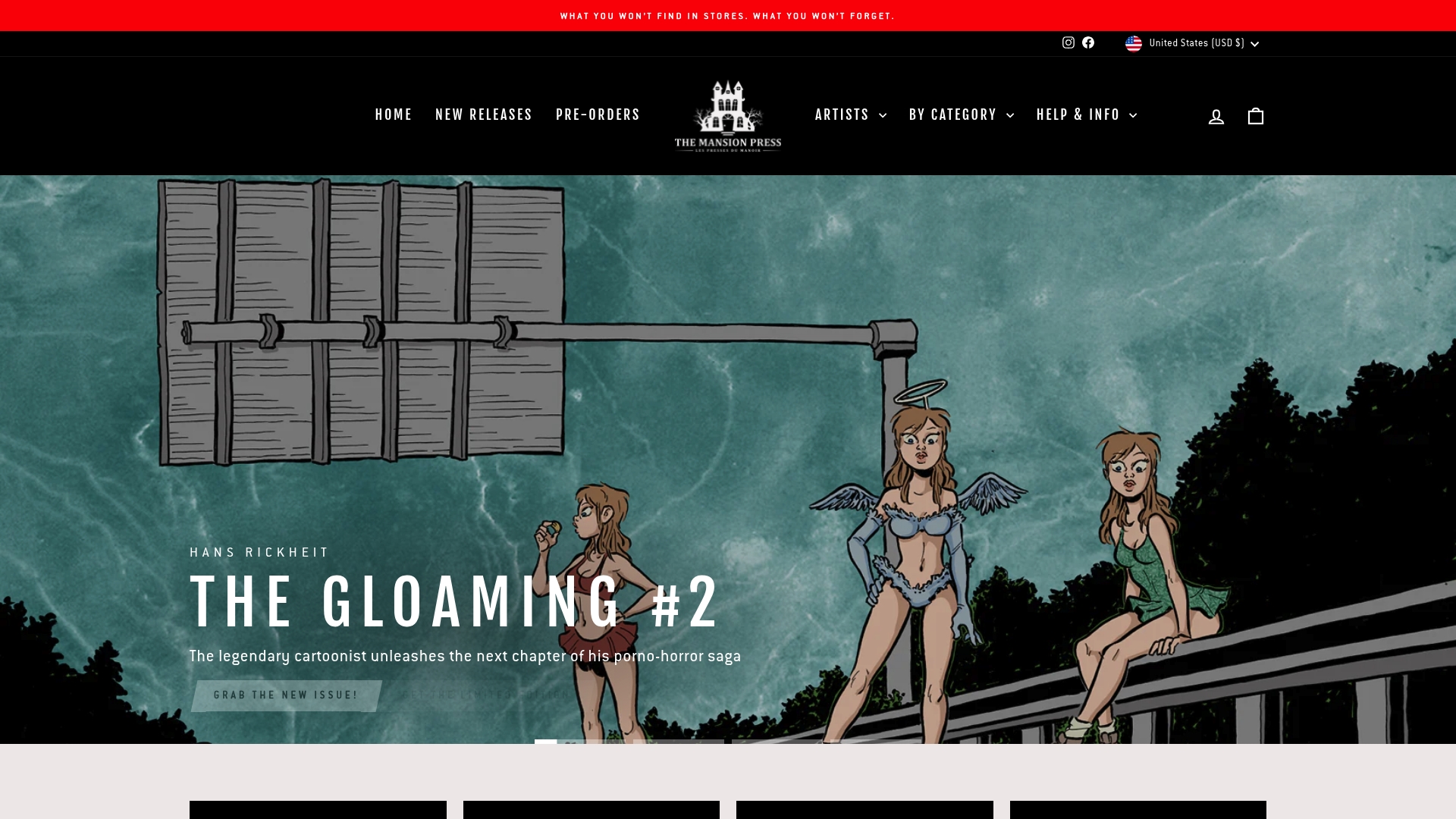
Explore our curated selection at The Mansion Press, where you can find limited edition artbooks and provocative graphic novels that mirror the intellectual depth and emotional impact discussed in the “7 Steps to Mastering Guide to Provocative Graphic Novels.” Take advantage of our pre-order options and directly support independent artists shaping the future of graphic storytelling. Start your collection today and experience graphic novels that go beyond entertainment to become meaningful cultural statements.
Frequently Asked Questions
What are the defining characteristics of a provocative graphic novel?
A provocative graphic novel typically challenges societal norms and explores complex themes, such as marginalization and identity. To identify one, look for narratives that disrupt expectations, artwork with emotional depth, and bold visual metaphors.
How can I evaluate the artistic and narrative risks in a graphic novel?
To evaluate artistic and narrative risks, consider the thematic complexity and originality, as well as the innovation in visual storytelling techniques. Assess works by looking for how creatively they approach challenging subjects and push conventional boundaries.
What strategies can I use to build a meaningful graphic novel collection?
Building a meaningful graphic novel collection involves identifying core thematic interests and researching works with narrative depth. Aim to acquire graphic novels that reflect cultural significance and offer new perspectives on storytelling within 30–60 days.
How can I connect with the independent graphic novel artist community?
Engaging with the independent artist community requires active participation, such as attending conventions and supporting artist crowdfunding projects. Connect online by joining forums and promoting emerging artists’ work on social media to foster collaboration and creative dialogue.
What precautions should I take when displaying sensitive graphic novels?
When displaying sensitive graphic novels, consider using locked display cases and content warning labels as needed. Ensure that you assess the audience and context to protect both the physical condition of the editions and the sensitivities of potential viewers.
Recommended
- Creating Avant Garde Comics: A Complete Step-by-Step Guide – The Mansion Press
- How Graphic Novels Influence Culture: Complete Guide – The Mansion Press
- Understanding Graphic Novel Formats: A Comprehensive Guide – The Mansion Press
- 7 Ways the Most Provocative Comics Inspire Collectors – The Mansion Press