

Master Collecting Limited Edition Prints Like a Pro
Over 60 percent of american art buyers admit feeling uncertain when distinguishing valuable limited edition prints from common reproductions. In a market flooded with options, knowing how to identify authentic, investment-worthy pieces becomes crucial for anyone hoping to build a meaningful collection. This guide breaks down trusted methods that seasoned collectors use to separate genuine treasures from imitations, helping you approach the world of limited edition prints with confidence and clarity.
Table of Contents
- Step 1: Identify Valuable Limited Edition Prints
- Step 2: Research Artists and Print Authenticity
- Step 3: Evaluate Editions, Signatures, and Certificates
- Step 4: Securely Purchase and Track Your Prints
- Step 5: Protect and Display Your Limited Edition Collection
Quick Summary
| Key Point | Explanation |
|---|---|
| 1. Identify authentic prints carefully | Examine artist signatures, edition numbers, and provide certificates to distinguish collectible prints from reproductions. |
| 2. Research artist provenance thoroughly | Gather detailed documentation on past ownership and exhibition history to verify authenticity and potential value. |
| 3. Maintain comprehensive collection records | Create a tracking system for purchase receipts, certificates, and photographs to safeguard your prints’ legitimacy and history. |
| 4. Protect artworks with proper storage | Use archival materials and climate controls to prevent environmental damage, ensuring the longevity of your collection. |
| 5. Display prints strategically to avoid damage | Frame prints with UV protection and avoid direct sunlight to preserve their condition and aesthetic value over time. |
Step 1: Identify Valuable Limited Edition Prints
Mastering the art of identifying valuable limited edition prints requires a combination of research, expertise, and keen observation. In this crucial first step, you will learn how to distinguish between ordinary reproductions and truly collectible artworks that hold significant investment potential.
Start by examining several key indicators of a print’s value. Authentication markers are critical first considerations. Look for artist signatures, numbered editions (preferably lower numbers like 1/100), and official studio stamps or certificates of authenticity. Professional collectors know these details dramatically impact potential market value.
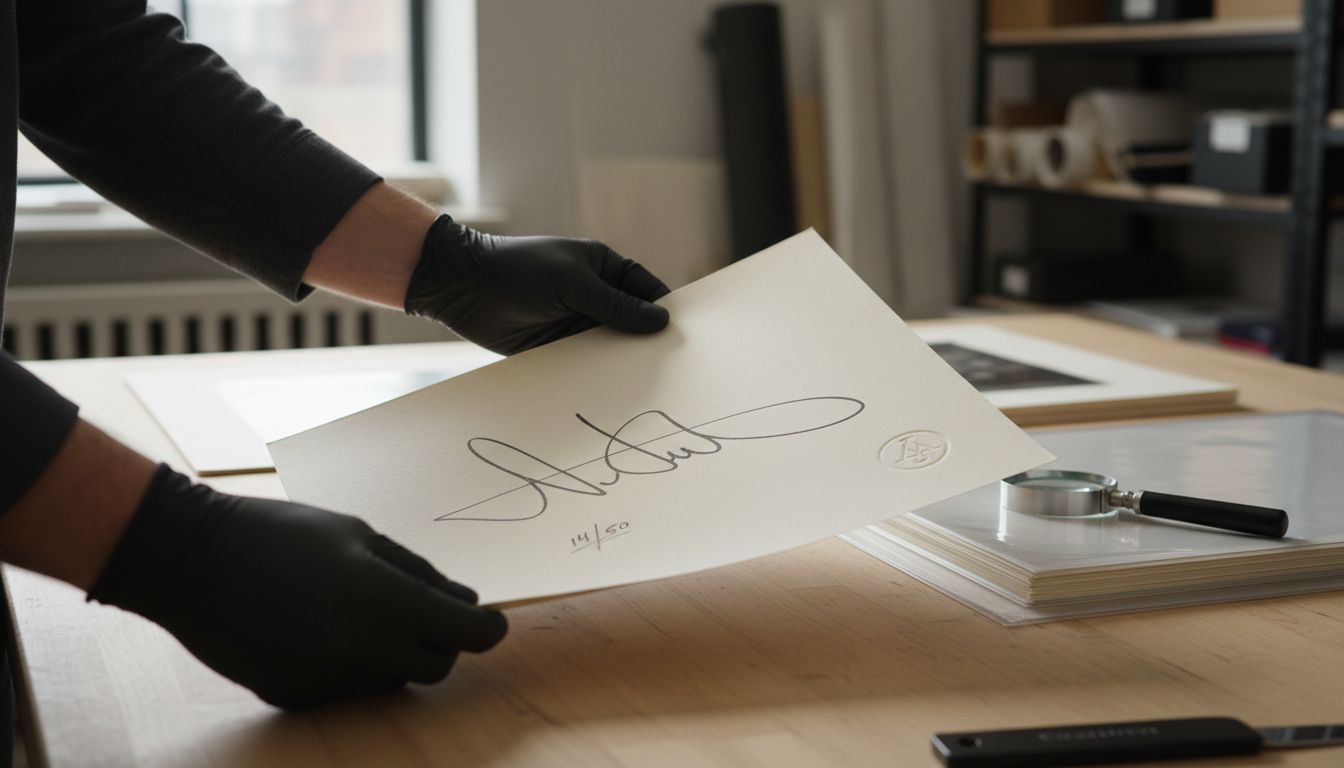 Researching the artist’s reputation and historical sales records through reputable auction houses can provide critical insights into potential appreciation.
As you evaluate potential limited edition prints, consider their condition carefully. Pristine prints without damage preserving their original color and texture will command higher prices. Factors like paper quality, printing technique, and preservation method can significantly influence collector interest. Learn more about collectible print characteristics in our guide on why collect limited editions.
Warning: Not all limited edition prints appreciate in value. Some editions flood the market, reducing potential investment returns. Always research thoroughly and consult expert appraisers when making significant purchases.
Step 2: Research Artists and Print Authenticity
Researching artists and verifying print authenticity is a crucial skill for serious collectors seeking valuable limited edition artwork. This step will equip you with strategic techniques to confirm an artwork’s legitimacy and understand its true historical and monetary value.
According to the Art Collectors Program, provenance plays a critical role in establishing an artwork’s authenticity. Professional collectors meticulously track an artwork’s ownership history, exhibition records, and documented origins. Start by gathering comprehensive documentation including certificates of authenticity, artist signatures, and detailed records of previous ownership. Recognizing original comic art techniques can also provide additional verification strategies.
The investigative process requires careful research beyond surface level examination. Scholarly art journals suggest consulting comprehensive catalogues raisonnés comprehensive listings of an artist’s known works which can help identify potential forgeries or misattributed prints. Expert collectors recommend cross referencing multiple sources verifying an artwork’s background including gallery records, auction house archives, and professional appraisal networks.
Warning: Some forgers are sophisticated in mimicking documentation. Always consult multiple expert sources and remain skeptical of prints without clear provenance documentation. Your diligence protects your investment and ensures the integrity of your collection.
Step 3: Evaluate Editions, Signatures, and Certificates
Evaluating limited edition prints requires a keen eye for detail and understanding of critical authenticity markers. This step will teach you how to systematically assess the unique identifiers that distinguish genuine collector pieces from ordinary reproductions.
According to the National Association for the Visual Arts, proper labeling is fundamental to establishing a print’s legitimacy. Professional collectors pay close attention to edition numbering a unique identifier that indicates the print’s place within a limited series. Look for clear markings such as 12/250 which signifies this is the 12th print out of a total edition of 250. Artist proofs carry special significance these are typically numbered separately and often represent a smaller subset of the total edition.
Certificates of authenticity serve as critical documentation verifying an artwork’s legitimacy. These documents typically include essential details like the artwork’s name, creation date, serial number, and the artist’s signature.
Experienced collectors understand that a comprehensive certificate provides provenance documentation that can significantly impact the print’s future value.
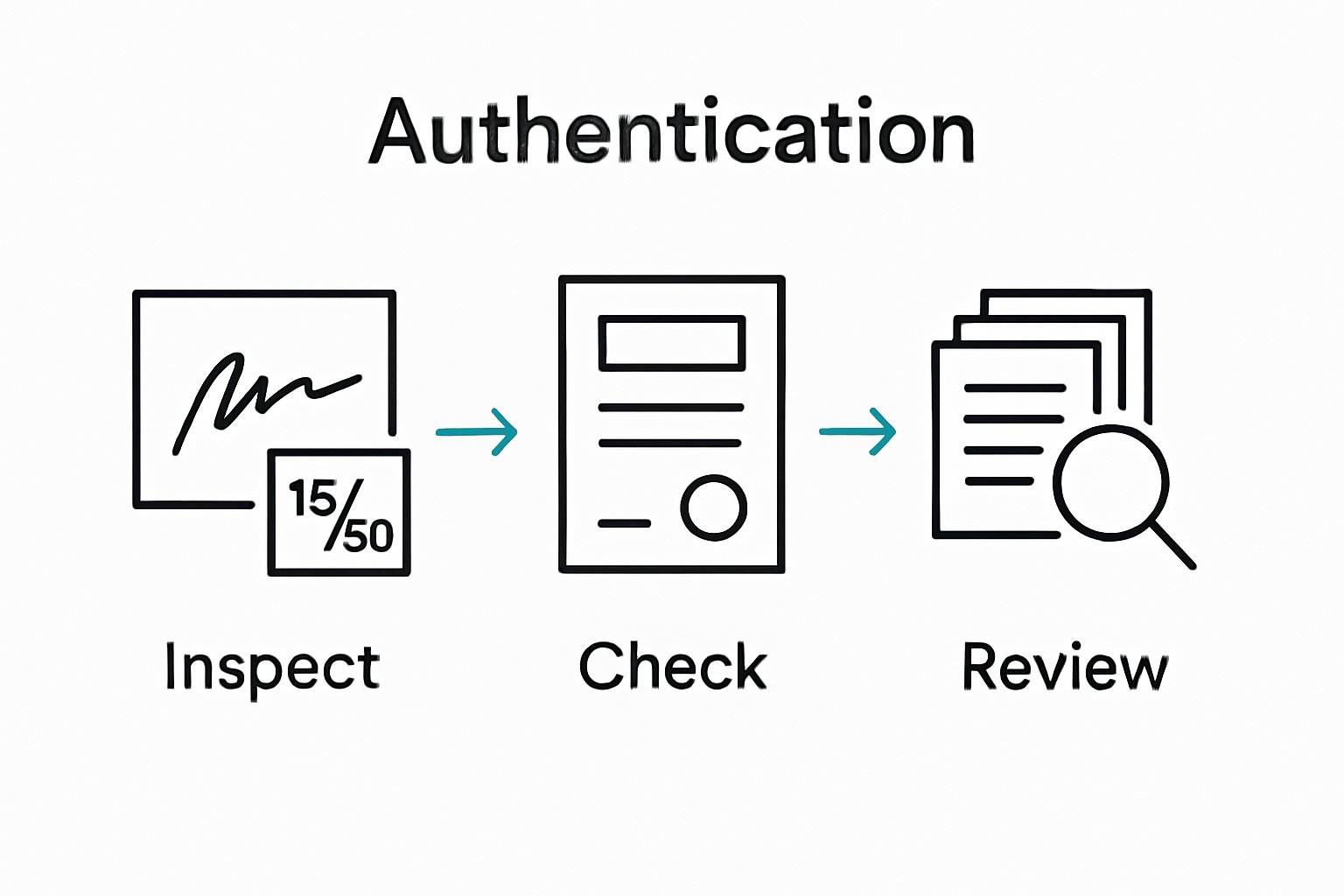 Learn more about buying original art with confidence in our detailed guide.
Warning: Not all signatures and certificates guarantee authenticity. Sophisticated forgeries can mimic official documentation. Always cross reference multiple sources and consider consulting professional art authentication experts when making significant investments.
Step 4: Securely Purchase and Track Your Prints
Securing and tracking your limited edition prints requires strategic planning and meticulous documentation. This step will guide you through creating a robust system for protecting your investment and maintaining a comprehensive collection record.
According to the Smithsonian Associates Art Collectors Program, thorough research is fundamental before making any purchase. Professional collectors recommend establishing a detailed tracking system that includes digital and physical documentation of each print. Create a dedicated collection portfolio with high resolution photographs, original purchase receipts, certificates of authenticity, and comprehensive provenance records. Learn strategies for finding unique collectibles in our guide on out of print artbooks.
Expert collectors suggest implementing multiple layers of protection for your prints. Store valuable pieces in archival quality sleeves or frames with UV protective glass to prevent degradation. Consider professional art insurance that covers potential damage or loss. Digital backup of all documentation ensures you have redundant records even if physical copies are compromised.
Warning: Never store valuable prints in direct sunlight or humid environments. Environmental conditions can quickly damage delicate artwork and dramatically reduce its collector value. Invest in proper storage solutions to preserve your collection’s integrity and long term investment potential.
Step 5: Protect and Display Your Limited Edition Collection
Protecting and displaying your limited edition prints requires strategic planning and specialized knowledge. This step will guide you through creating an optimal environment that preserves your artwork’s condition while showcasing its aesthetic value.
According to the National Association for the Visual Arts, professional art preservation involves multiple critical considerations. Select archival quality framing materials that provide UV protection and acid free mounting to prevent long term deterioration. Professional collectors recommend using museum grade glass or acrylic that filters harmful light wavelengths while allowing optimal visual clarity. Check out our comprehensive guide on building an artbook collection for additional preservation insights.
Expert collectors emphasize the importance of environmental controls when displaying valuable prints. Maintain consistent temperature and humidity levels ideally between 65 70 degrees Fahrenheit with 40 50% relative humidity. Rotate displayed prints periodically to minimize prolonged light exposure and consider using specialized art hanging systems that allow easy rotation without compromising the artwork’s integrity.
Warning: Improper display can permanently damage limited edition prints. Avoid hanging prints in direct sunlight, near heating vents, or in areas with significant temperature fluctuations. Your collection represents a valuable investment protect it with professional grade conservation techniques.
Elevate Your Limited Edition Print Collection with Confidence
Collecting valuable limited edition prints involves navigating challenges like verifying authenticity, understanding editions and certificates, and protecting your investment from damage. This article highlights key pain points such as identifying artist signatures, researching provenance, and securing proper documentation. If you want to avoid costly mistakes and build a collection that truly appreciates in value you need trusted sources and exclusive offerings tailored to serious collectors like you.
Discover a curated selection of limited edition prints and original artworks at The Mansion Press. Our platform connects you directly with independent artists and comic creators offering authentic, collectible pieces you will not find in mainstream stores. Start mastering your art collection journey today with expert-backed products and exclusive pre-orders. Visit The Mansion Press now and gain access to reliable collectibles with verified provenance and artist signatures. Don’t wait to secure your next prized artwork that matches everything you learned about authenticity and preservation.
Frequently Asked Questions
How can I identify a valuable limited edition print?
Identifying a valuable limited edition print involves examining authentication markers such as artist signatures, edition numbers, and official documentation. Start by researching the artist’s reputation and checking historical sales records to gauge potential appreciation.
What should I look for to verify the authenticity of limited edition prints?
To verify authenticity, examine provenance, including ownership history and the presence of certificates of authenticity. Gather comprehensive documentation and cross-reference multiple sources to confirm the artwork’s legitimacy.
How do I evaluate the condition of a limited edition print?
Evaluating a print’s condition requires checking for damage, color preservation, and paper quality. Inspect for any signs of wear and maintain notes on the print’s condition to ensure you understand its value over time.
What documentation is essential for securing my limited edition prints?
Essential documentation includes purchase receipts, certificates of authenticity, and records of previous ownership. Create a tracking system with high-resolution photographs and detailed records to safeguard your investment.
What steps can I take to protect my limited edition prints from damage?
To protect your prints, use archival quality materials for framing and display them in controlled environments with stable temperature and humidity. Regularly rotate displayed prints to avoid prolonged light exposure, preserving their condition for years to come.