

Wings of Fire Book vs Graphic Novel: Artistic Impact
Every collector knows that choosing between a deeply immersive novel and a visually striking graphic adaptation is no small feat, especially with a series as rich as Wings of Fire. For those fascinated by narrative depth and bold comic artistry, comparing these formats uncovers how vibrant artwork, rapid pacing, and complex world-building can shape the reading adventure. Discover exclusive insights into the unique storytelling strengths and artistic visions that set each Wings of Fire format apart for collectors and enthusiasts alike.
Table of Contents
- Defining Wings of Fire Book and Graphic Novel
- Artistic Style Differences and Visual Storytelling
- Adaptation Effects on Narrative and Pacing
- Collector Appeal and Rarity Compared
- Reader Experience: Engagement and Accessibility
Key Takeaways
| Point | Details |
|---|---|
| Narrative Formats | The Wings of Fire universe offers both a rich prose book and a visually engaging graphic novel, each appealing to different reader preferences. |
| Emotional Engagement | The graphic novel adapts storytelling through visual elements that prioritize immediate emotional responses, while the book allows for deeper character exploration. |
| Collector Dynamics | Different audiences value graphic novels for their art and limited editions, while literary enthusiasts tend to prefer original prose for its depth and author signatures. |
| Reader Accessibility | Multiple formats enhance reader engagement by accommodating diverse learning styles, making the narrative more inclusive and accessible. |
Defining Wings of Fire Book and Graphic Novel
The Wings of Fire universe represents a fascinating narrative that spans multiple storytelling formats, each offering unique artistic perspectives and engagement strategies. Original narrative approaches showcase how storytelling can transcend traditional literary boundaries through strategic adaptation.
In the original book format, Wings of Fire emerges as a rich prose narrative characterized by deep character exploration and intricate world-building. The text-based medium allows for:
- Complex internal character monologues
- Extensive descriptive passages about dragon societies
- Nuanced exploration of motivational psychology
- Detailed environmental and cultural context
Conversely, the graphic novel adaptation transforms this narrative into a visually dynamic experience. This format prioritizes:
- Immediate emotional representation through artwork
- Streamlined storytelling focused on key plot moments
- Visual character design that brings dragons to life
- Accessible narrative structure for younger readers
The translation from prose to graphic novel requires careful artistic interpretation, ensuring that the core narrative essence remains intact while leveraging the unique strengths of visual storytelling. Graphic novels compress complex narratives into vibrant, condensed visual experiences that capture the spirit of the original work.
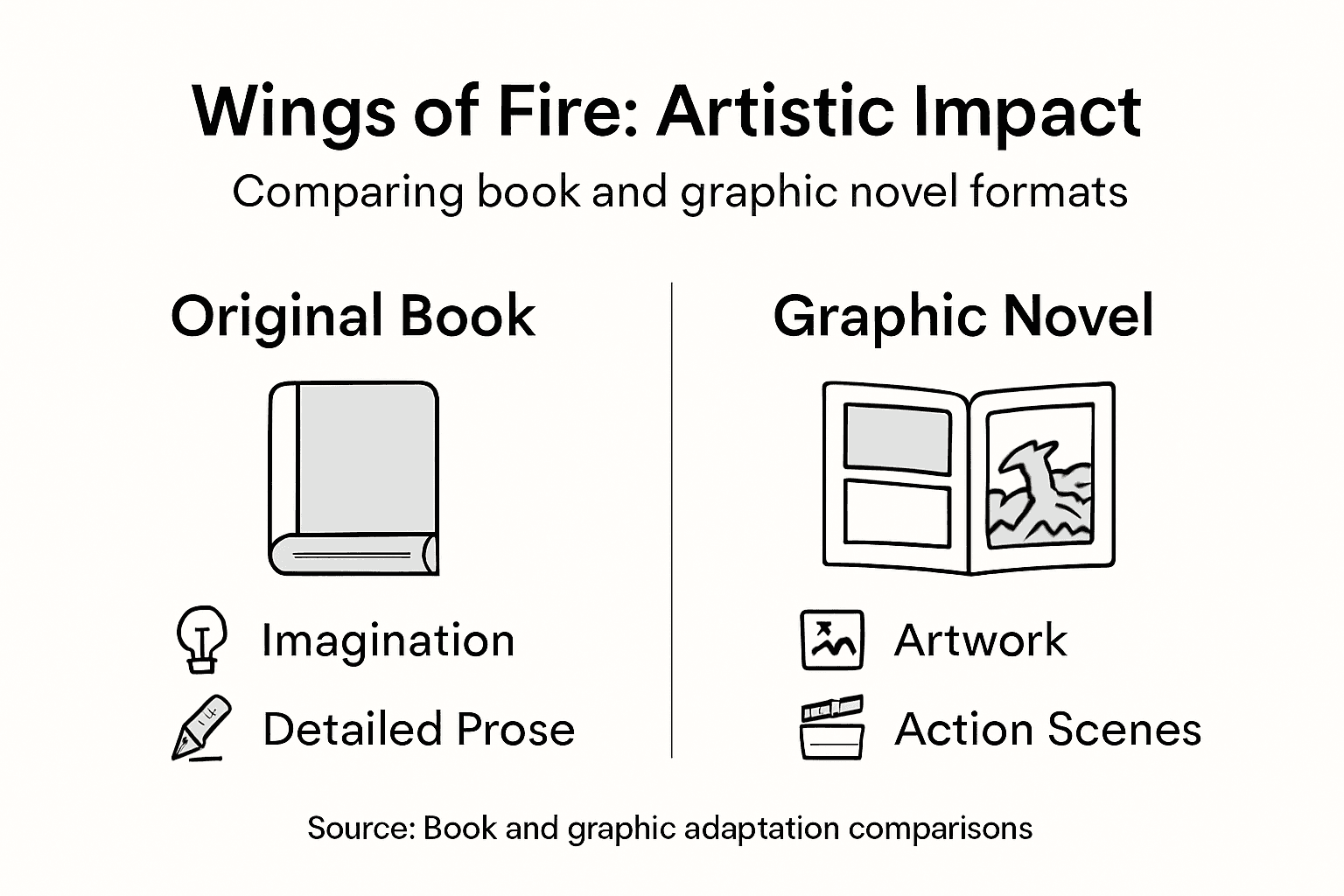
Here’s a concise comparison of the narrative strengths in Wings of Fire’s book and graphic novel formats:
| Aspect | Original Book | Graphic Novel |
|---|---|---|
| Emotional Depth | Extensive internal analysis | Direct visual emotions |
| World-Building | Detailed descriptions | Artistic visual landscapes |
| Reader Age Range | Older children, teens, adults | Younger readers, preteens |
| Storytelling Pace | Slow, deliberate development | Fast, action-driven |
Pro tip: When exploring different narrative formats, pay attention to how the core story’s emotional landscape is preserved across mediums.
Artistic Style Differences and Visual Storytelling
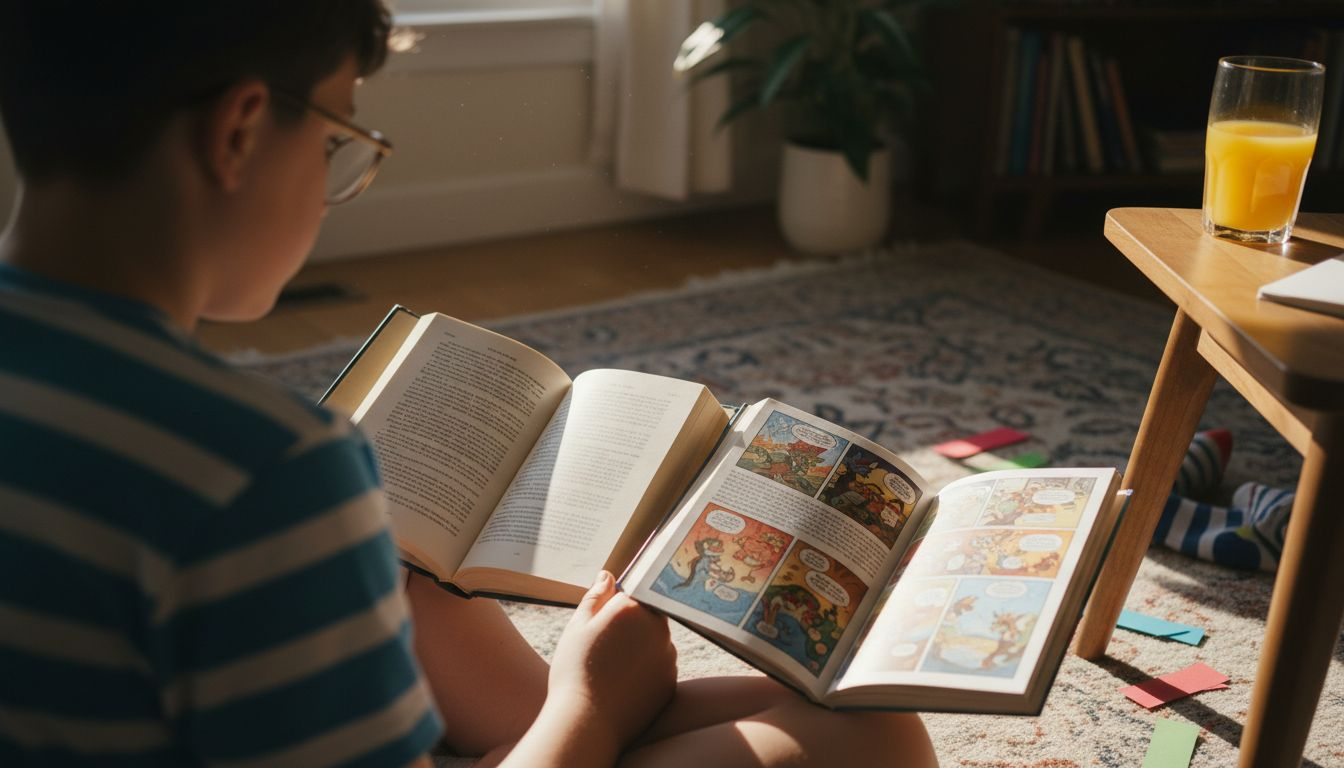
The Wings of Fire graphic novels represent a transformative approach to visual storytelling, dramatically reimagining artistic representation through dynamic comic aesthetics. These adaptations fundamentally reshape narrative engagement by translating textual descriptions into vibrant visual experiences.
The graphic novel’s artistic style distinguishes itself through several key characteristics:
- Bold, exaggerated character expressions
- Dynamic line work capturing intense emotional moments
- Action-oriented panel designs
- Streamlined narrative focusing on visual impact
Traditional book illustrations typically present more atmospheric and subtle representations, whereas graphic novels leverage visual storytelling techniques that prioritize immediate emotional communication. Narrative techniques in graphic novels emphasize:
- Speed lines indicating movement and energy
- Dramatic perspective shifts
- Compressed storytelling through visual sequences
- Heightened emotional representation
The transformation from prose to graphic novel requires intricate artistic interpretation. Illustrators must carefully distill complex narrative moments into compelling visual sequences that maintain the original story’s essence while introducing a new layer of artistic expression.
Visual storytelling transcends traditional narrative boundaries, creating immersive experiences that speak directly to readers’ imaginations.
These artistic adaptations demonstrate how storytelling can evolve across different mediums, offering audiences multiple entry points into the Wings of Fire universe.
Pro tip: Explore how visual storytelling techniques can transform narrative experiences by comparing different artistic interpretations of the same story.
Adaptation Effects on Narrative and Pacing
The transition from traditional book to graphic novel fundamentally transforms storytelling dynamics, significantly altering narrative structure through visual compression and strategic content selection. This adaptation process requires careful artistic and narrative negotiation to maintain the story’s core essence while appealing to different reader preferences.
Key narrative transformations in the graphic novel adaptation include:
- Condensed character backstories
- Prioritized action sequences
- Streamlined dialogue
- Visual emphasis over detailed exposition
- Faster narrative momentum
Graphic novel storytelling techniques dramatically reshape the reading experience through several critical mechanisms:
- Compressed narrative arcs
- Visual storytelling prioritizing emotional impact
- Reduction of internal monologues
- Enhanced action-driven sequences
- More direct emotional communication
The adaptation process involves strategic decision-making about which narrative elements to preserve, modify, or eliminate. Illustrators and writers must carefully balance visual representation with storytelling integrity, ensuring that the graphic novel captures the original work’s spirit while creating a uniquely engaging medium.
Narrative adaptation is an art of translation, transforming written worlds into visual landscapes that speak their own compelling language.
These transformative approaches demonstrate how storytelling can evolve across different mediums, offering audiences multiple perspectives on the same narrative universe.
Pro tip: Compare multiple adaptation formats to appreciate the nuanced art of translating stories across different storytelling mediums.
Collector Appeal and Rarity Compared
The Wings of Fire collector’s landscape reveals fascinating nuances in collector market dynamics, presenting distinct appeal across different publication formats. Graphic novels and traditional books attract unique collector demographics, each valuing different aspects of the storytelling experience.
Collector preferences diverge along several key dimensions:
- Visual art collectors prefer graphic novel editions
- Literary purists gravitate toward original book series
- Limited print runs increase potential value
- Signed first editions command premium prices
- Artwork complexity influences collectible status
Comic series collector trends demonstrate fascinating market segmentation, highlighting the unique characteristics that drive collector interest:
- Original book series maintaining consistent collector base
- Graphic novels attracting younger, art-focused collectors
- Expanding franchise creating multiple collection opportunities
- Regional market variations in collector preferences
- Increasing value of rare or limited edition volumes
The collector’s market for Wings of Fire represents a complex ecosystem where artistic representation, narrative depth, and publication scarcity intersect to create unique value propositions for different types of enthusiasts.
Collecting is not just about ownership, but about preserving cultural narratives across different artistic mediums.
These diverse collection strategies demonstrate the rich interpretative landscape surrounding the Wings of Fire universe.
Below is a summary of collector appeal and value factors across Wings of Fire formats:
| Format | Collector Attraction | Value Factors |
|---|---|---|
| Original Book | Literary enthusiasts | First editions, author signatures |
| Graphic Novel | Art collectors, youth | Unique artwork, limited runs |
| Both | Franchise completionists | Rarity, series continuity |
Pro tip: Research print run numbers and first edition details to identify potentially valuable collector’s items.
Reader Experience: Engagement and Accessibility
The Wings of Fire storytelling universe offers remarkable reader engagement strategies that cater to diverse audience preferences and learning styles. By presenting multiple narrative formats, the franchise creates an inclusive reading experience that transcends traditional storytelling boundaries.
Reader accessibility varies across different narrative formats:
- Graphic novels provide visual learning opportunities
- Traditional books offer comprehensive narrative depth
- Illustrations help younger readers connect emotionally
- Prose supports complex character development
- Visual storytelling reduces reading comprehension barriers
Reading experience variations highlight the nuanced approaches to storytelling:
- Text-based formats emphasize detailed world-building
- Graphic novels prioritize immediate emotional impact
- Visual media attract readers with shorter attention spans
- Prose enables deeper psychological exploration
- Illustrations create immediate narrative connection
The dual narrative approach demonstrates a sophisticated understanding of reader diversity, recognizing that engagement is not one-dimensional but a complex interaction between storytelling methods and individual preferences.
Accessibility in storytelling means creating multiple entry points for readers with different cognitive and aesthetic preferences.
These complementary formats ensure that the Wings of Fire universe remains dynamic and inclusive, welcoming readers through multiple artistic expressions.
Pro tip: Explore both graphic novel and traditional book formats to appreciate the full narrative complexity of the Wings of Fire universe.
Discover the Artistic Impact of Wings of Fire Like Never Before
The Wings of Fire series challenges readers with unique storytelling formats that blend deep narrative with striking visuals. Whether you are drawn to the intricate world-building of the original books or the fast-paced emotional punch of the graphic novels the transition between text and art can feel overwhelming. If you want to fully experience this artistic evolution or are searching for exclusive collector’s editions that capture this dynamic balance you have come to the right place
Explore our curated collection of artbooks graphic novels and limited-edition comics at The Mansion Press where independent artists and creators bring these transformative stories to life. Don’t wait to deepen your connection to the Wings of Fire universe or enhance your collection with rare finds designed to preserve the essence of both prose and visual storytelling. Visit The Mansion Press today and unlock the power of narrative through extraordinary art that celebrates every facet of this beloved series.
Frequently Asked Questions
What are the main differences between the Wings of Fire book and graphic novel?
The main differences include narrative depth, pacing, and emotional representation. The book offers extensive character exploration and detailed world-building, while the graphic novel emphasizes immediate visual emotional impacts and streamlined storytelling.
How does the artistic style in the Wings of Fire graphic novel differ from the original book?
The graphic novel features bold, exaggerated character expressions, dynamic line work, and action-oriented panel designs, contrasting with the subtle, atmospheric illustrations typically found in the original book.
What impact does the transition to a graphic novel have on the pacing of the story?
The transition to a graphic novel condenses character backstories and prioritizes action sequences, leading to faster narrative momentum and reduced internal monologues compared to the slower, more complex pacing of the original book.
Who might prefer the graphic novel version of Wings of Fire over the original book?
Younger readers, visual learners, and those looking for a more accessible storytelling format may prefer the graphic novel for its vibrant illustrations and faster-paced narrative, while literary enthusiasts might favor the original book for its detailed exploration of characters and themes.