

Why Collectors Love Banned Comics: Complete Guide
Most people are surprised to learn that even an American comic can be banned for challenging cultural norms. These bold works are often pulled from shelves when graphic imagery or social commentary sparks controversy. The unique combination of art and storytelling in comics means a single panel can ignite public debate. Understanding why certain comics face censorship helps reveal the deeper connections between freedom of expression and American cultural anxieties.
Table of Contents
- What Makes A Comic ‘Banned’
- Types Of Banned Comics And Key Examples
- The Appeal: Rarity, History, And Exclusivity
- Legal And Ethical Issues For Collectors
- Market Value, Investment, And Buyer Risks
Key Takeaways
| Point | Details |
|---|---|
| Censorship Triggers | Comics often face bans due to explicit sexual content, graphic violence, and controversial themes that challenge societal norms. |
| Types of Banned Comics | Banned comics include historical narratives, alternative press publications, and politically charged content, each provoking societal reflection. |
| Collector Appeal | Banned comics attract collectors for their rarity and cultural significance, often increasing in value due to strict censorship and historical context. |
| Legal and Ethical Considerations | Collectors must navigate complex legal landscapes and ethical concerns when acquiring banned works, emphasizing the need for thorough research. |
What Makes a Comic ‘Banned’
Banned comics represent a fascinating intersection of artistic expression and societal boundaries, where visual storytelling confronts cultural taboos and censorship pressures. The process of banning a comic involves complex judgment calls about content that challenges established norms, often targeting works with provocative imagery or themes that push against mainstream sensibilities.
Comics face unique scrutiny due to their powerful visual medium. Comics often get challenged for content deemed inappropriate, including graphic depictions of violence, nudity, adult themes, and offensive language. Their visual nature makes individual panels particularly vulnerable to misinterpretation, as single images can be extracted and perceived more dramatically than written text.
Censorship Triggers in comics frequently emerge from several key areas:
- Explicit sexual content
- Graphic violent imagery
- Controversial political statements
- Challenging social narratives
- Provocative artistic representations
The visual format of comics creates unique challenges for creators and readers alike. Unlike traditional literature, comics present ideas through immediate, visceral imagery that can shock or challenge viewers more directly. This characteristic makes them particularly susceptible to censorship, as regulatory bodies and community standards often struggle with the medium’s ability to communicate complex ideas through graphic representation.
Types of Banned Comics and Key Examples
Banned comics span a wide spectrum of genres and styles, each challenging societal norms in unique and provocative ways. Some works face censorship due to their raw artistic expression, while others confront uncomfortable historical or social narratives that make audiences deeply uneasy.
Graphic novels and comic series have encountered significant censorship challenges across different contexts. Notable examples include Art Spiegelman’s Maus, which was removed from some educational curricula due to its intense Holocaust depiction, and the critically acclaimed Saga series, which faced bans for its explicit visual content. Even seemingly innocent works like the Captain Underpants series have been challenged for allegedly encouraging disruptive behavior among younger readers.
Key Categories of Banned Comics include:
- Historical narrative comics challenging established perspectives
- Underground and alternative press publications
- Sexually explicit graphic novels
- Political commentary comics
- Experimental artistic works
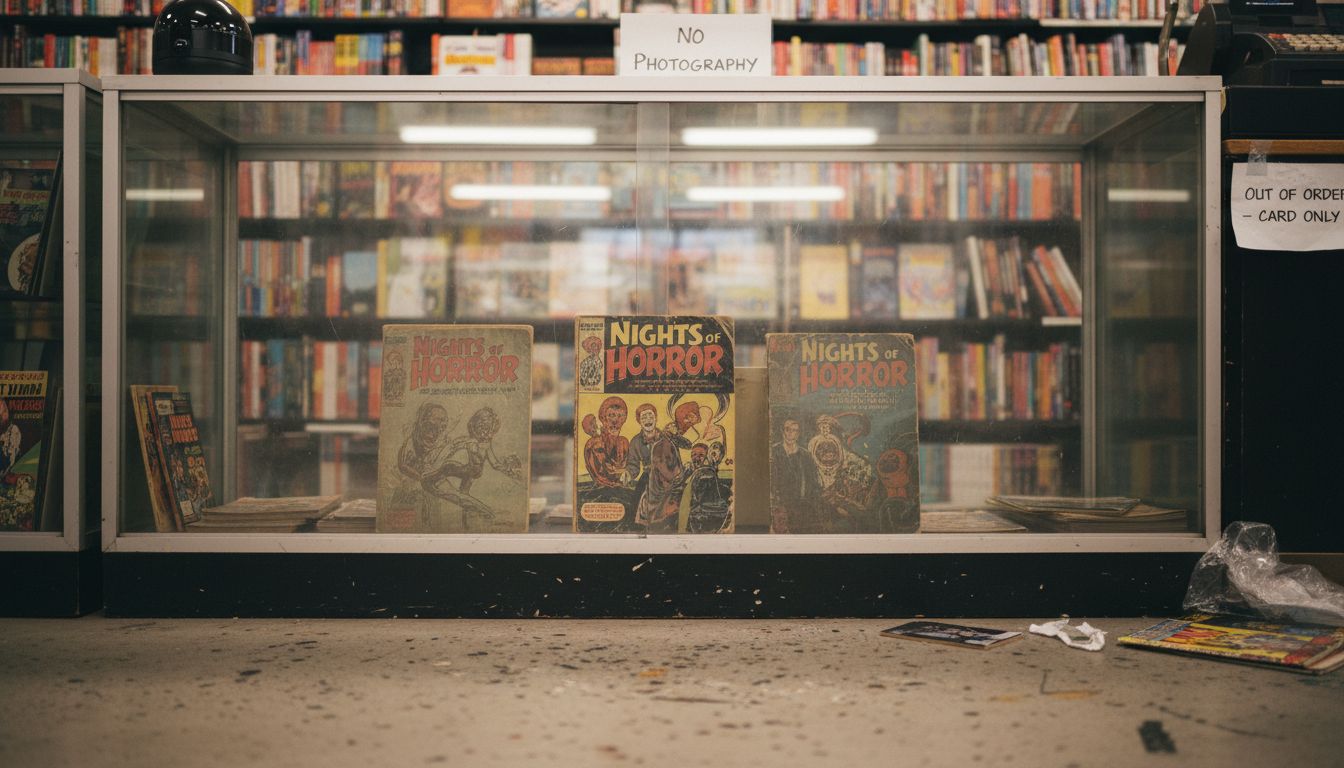
Some banned comics have particularly notorious histories. The ‘Nights of Horror’ comic series from 1954 represents an extreme example, where an American fetish comic was legally suppressed and its copies destroyed due to its explicit content and alleged potential to influence criminal behavior. This demonstrates how comics can become focal points for broader societal debates about artistic expression, censorship, and moral boundaries.
The Appeal: Rarity, History, and Exclusivity
Comic book collectors are drawn to banned works not just as items of artistic merit, but as profound cultural artifacts that capture moments of societal tension and artistic rebellion. The allure of these forbidden publications goes far beyond simple curiosity, representing complex intersections of creativity, censorship, and historical documentation.
Rare banned comics have developed a unique mystique in the collecting world, with their suppressed status dramatically increasing their intrinsic and monetary value. Works like Meng and Ecker demonstrate how censorship can transform a comic from a mere publication into a coveted historical document, sought after by serious collectors who appreciate the deeper narrative behind the artwork.
Factors Driving Collector Interest:
- Limited surviving copies
- Historical significance
- Artistic vulnerability
- Cultural rebellion
- Intellectual provocation
Prohibition of controversial comics has paradoxically elevated their status, creating a collector’s market where scarcity and historical context dramatically enhance a work’s desirability. The Nights of Horror series exemplifies this phenomenon, where legal suppression transformed an underground publication into a prized collectors’ item. This dynamic reveals how censorship can inadvertently create value, turning once-marginalized artistic expressions into highly sought-after cultural relics that tell complex stories about artistic freedom and societal boundaries.
Legal and Ethical Issues for Collectors
Collecting banned comics is a nuanced pursuit that requires careful navigation of complex legal and ethical landscapes. Collectors must balance their passion for artistic preservation with a deep understanding of potential legal risks and moral considerations surrounding controversial publications.
Legal challenges surrounding banned comics can vary dramatically depending on jurisdiction, creating a minefield of potential risks for collectors. Possessing or distributing certain censored materials might expose collectors to potential legal repercussions, making thorough research and understanding of local regulations absolutely critical before acquiring rare or controversial works.
Key Legal and Ethical Considerations:
- Jurisdictional restrictions
- Potential criminal liability
- Intellectual property rights
- Ethical implications of collecting
- Preservation versus distribution
The visual nature of comics heightens scrutiny, with regulatory bodies often applying stricter standards to graphical representations than written text. Ethical collecting demands more than mere legal compliance it requires a thoughtful approach that respects artistic intent, historical context, and the broader cultural conversations surrounding censorship and creative expression.
Market Value, Investment, and Buyer Risks
Banned comics represent a unique investment landscape where artistic merit, historical significance, and scarcity converge to create extraordinary market dynamics. Collectors must approach these acquisitions with a sophisticated understanding of both financial potential and inherent risks.
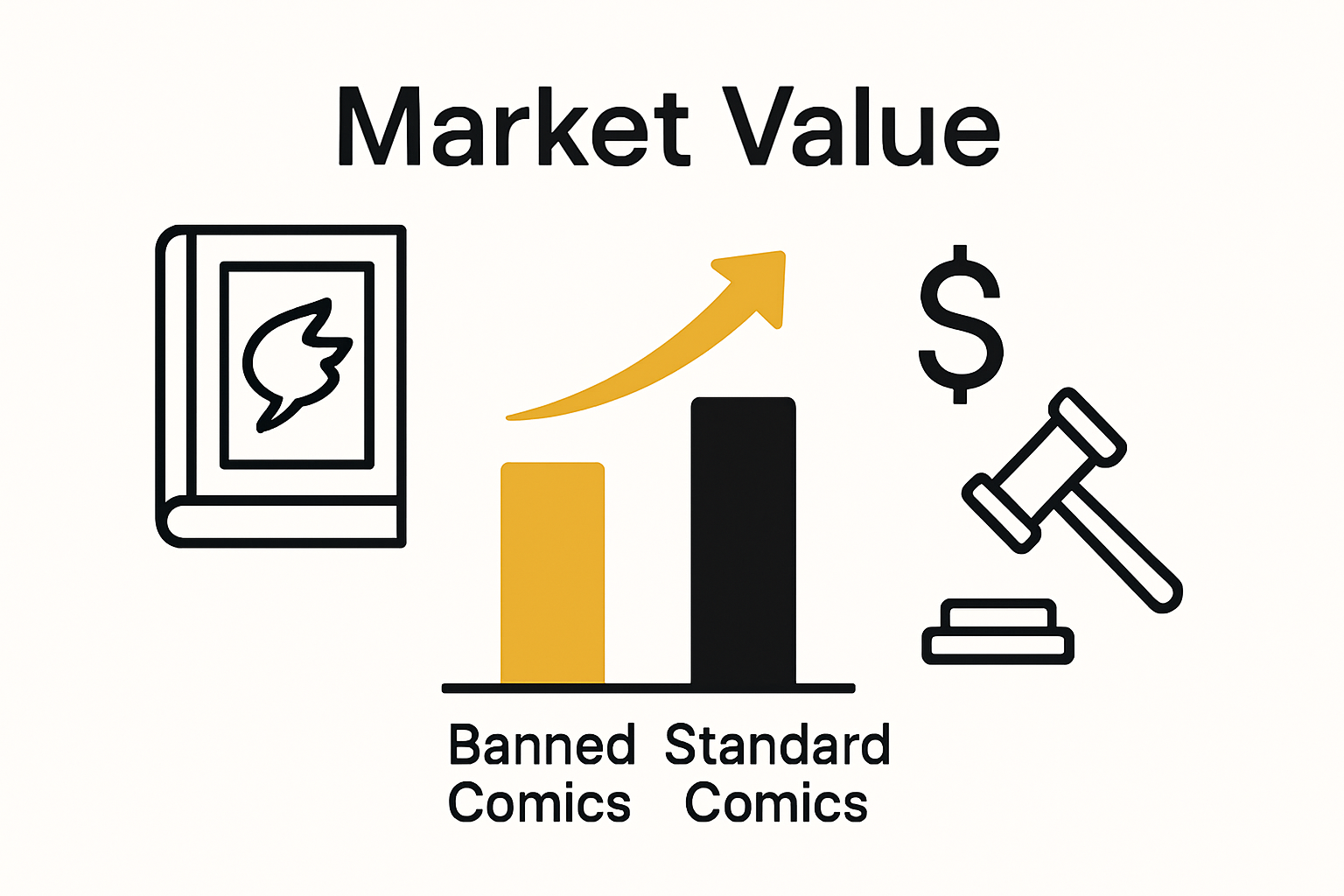
The banning of controversial works can dramatically impact their market value, creating unexpected investment opportunities. Maus, for instance, experienced a significant surge in demand following censorship attempts, demonstrating how suppression can paradoxically increase a comic’s cultural and financial worth. This phenomenon illustrates the complex relationship between censorship and market desirability.
Critical Investment Considerations:
- Potential rapid value appreciation
- Authenticity verification challenges
- Legal ownership complexities
- Market volatility
- Condition preservation requirements
Rare banned publications like Nights of Horror highlight the delicate balance between collector enthusiasm and potential legal risks. Investors must carefully assess not just the financial potential, but also the legal implications of acquiring such controversial materials. Thorough research, professional authentication, and understanding of local regulations become essential strategies for mitigating potential risks while pursuing these unique cultural artifacts.
Discover Rare and Banned Comics at The Mansion Press
Collectors of banned comics face the challenge of finding authentic, limited-edition works that capture the spirit of artistic rebellion and cultural history. These comics often carry unique stories of censorship, scarcity, and visual impact, making them highly sought after yet difficult to acquire legally and ethically. Whether you are drawn by the historical significance or the allure of rarity, having a trusted source is critical to building a meaningful collection.
Explore exclusive collections and new releases that reflect the same bold creativity discussed in this article at The Mansion Press. Our platform connects you directly with independent artists and comic creators offering curated banned, underground, and limited-edition comics. Start your journey today to secure prized pieces that embody cultural provocation and artistic freedom. Don’t miss your chance to own a piece of comic history by visiting The Mansion Press now and uncover rare treasures that resonate with your passion.
Frequently Asked Questions
What are some common reasons why comics get banned?
Comics often face bans due to explicit sexual content, graphic violence, controversial political statements, and challenging social narratives. Censorship triggers typically stem from the visual medium’s ability to communicate provocative ideas more immediately than text alone.
How do banned comics influence collector interest?
Banned comics are often seen as cultural artifacts that capture societal tensions and artistic rebellion. Their rarity, historical significance, and the story behind the censorship can dramatically increase their desirability and market value among collectors.
What legal considerations should collectors keep in mind when acquiring banned comics?
Collectors must navigate various legal challenges, including jurisdictional restrictions and potential liability for possessing censored materials. Understanding local laws and ethical considerations is critical for preserving artistic intent and cultural context while avoiding legal issues.
How does the market value of banned comics fluctuate due to their censorship?
The market value of banned comics can increase significantly after attempts at censorship. For instance, works like Maus saw a surge in demand following bans, highlighting how suppression can paradoxically enhance both cultural and financial worth, creating unique investment opportunities.