

What Is a Fanzine and Why Artists Collect Them
Bold movements in independent art began with American fanzines, sparking a global revolution in self-publishing. More than 80 percent of early comic creators cited fanzines as their creative starting point. These handmade magazines capture the spirit of artistic freedom and challenge mainstream standards, connecting passionate collectors with rare voices and raw stories. Discover how fanzines shape independent art culture, unlock collecting strategies, and reveal why these unique artifacts hold exceptional value for art and comic enthusiasts.
## Table of Contents
- Fanzines Defined: Origins And Central Concepts
- Main Types Of Fanzines And Their Differences
- How Fanzines Are Created And Distributed
- Fanzines In Independent Art And Comic Culture
- Collecting Fanzines: Value, Risks, And Tips
Key Takeaways
| Point | Details |
|---|---|
| Fanzines as Creative Platforms | Fanzines serve as grassroots publishing tools that enable independent expression and challenge mainstream media narratives. |
| Diverse Types of Fanzines | Major fanzine categories include personal zines, music zines, political zines, and art zines, each focusing on different subcultural interests. |
| Unique Creation and Distribution | Fanzine creation emphasizes DIY techniques, and they are distributed through community networks, fostering cultural connections. |
| Cultural and Archival Significance | Fanzines capture underground movements, document personal narratives, and support artistic rebellion, preserving marginalized voices in the process. |
Fanzines Defined: Origins and Central Concepts
Fanzines represent grassroots publishing platforms where passionate individuals create self-produced magazines that challenge mainstream media narratives. These underground publications emerged from subcultures seeking authentic communication beyond traditional publishing channels. Underground music and science fiction communities pioneered the fanzine movement in the 1930s, establishing a revolutionary method of independent expression.
The core characteristics of fanzines include their do-it-yourself aesthetic, limited distribution, and intensely personal content. Artists and fans typically produce these publications using basic printing techniques like photocopying, risograph printing, or hand-assembly. Their handmade quality distinguishes them from commercial magazines, emphasizing individual creativity and community connection. Cultural transfer between alternative communities became a hallmark of fanzine production, allowing marginalized voices to share perspectives outside mainstream media frameworks.
Historically, fanzines have played critical roles in various cultural movements. The punk scene of the 1970s and the Riot Grrrl movement of the 1990s used fanzines as powerful tools for social commentary and grassroots organizing. These publications became platforms for discussing political ideas, sharing underground music reviews, and creating solidarity among subculture participants. Each fanzine represents a unique artifact of creative resistance, capturing moments of cultural transformation through personal storytelling and visual design.
Pro tip: Start your own fanzine collection by attending independent art fairs, comic conventions, and underground music events where creators frequently trade and sell their handmade publications.
Main Types of Fanzines and Their Differences
Fanzines encompass a rich and diverse landscape of creative expression, with multiple specialized categories reflecting different subcultural interests and communication goals. Distinctive publication types emerge from various fan communities, each serving unique communicative purposes beyond traditional publishing models. The primary categories include personal zines (perzines), music zines, political zines, science fiction zines, and art zines, each representing a distinct mode of underground communication.
Personal zines, or perzines, represent the most intimate form of fanzine production. These highly autobiographical publications feature personal essays, artwork, photography, and deeply introspective content that explores individual experiences. Music zines, by contrast, focus on specific genres like punk, indie, or underground music scenes, often including album reviews, concert photography, interviews with musicians, and cultural commentary. Political zines serve as platforms for radical expression, addressing social justice issues, activism, feminist movements, and alternative political narratives that challenge mainstream discourse.
The technical distinctions between fanzine types extend beyond content to include production methods and distribution strategies. Science fiction zines, historically significant in the fanzine movement, typically feature speculative fiction, fan theories, and community discussions about genre literature. Art zines blur boundaries between publication and visual artwork, incorporating experimental design, mixed media, and unconventional printing techniques. Some publications even occupy hybrid spaces, like semiprozines, which straddle the line between amateur and professional production, offering more polished design while maintaining independent spirit.
Pro tip: Start building your fanzine collection by exploring independent bookstores, attending zine festivals, and connecting with local artist communities to discover unique and rare publications.
Here’s a summary comparing major types of fanzines by focus and notable features:
| Type of Fanzine | Primary Focus | Notable Features | Target Audience |
|---|---|---|---|
| Perzine | Personal stories | Highly autobiographical, introspective | Individual creators, close communities |
| Music Zine | Music scenes | Album reviews, band interviews | Fans of specific genres |
| Political Zine | Social/political issues | Activism, alternative perspectives | Activists, socially minded readers |
| Science Fiction Zine | Speculative fiction | Fan theories, genre discussions | Sci-fi fans, writers |
| Art Zine | Visual art | Experimental design, mixed media | Artists, art enthusiasts |
| Semiprozine | Hybrid content | Polished layout, independent spirit | Broader subculture audiences |
How Fanzines Are Created and Distributed
Fanzine creation represents a deeply personal and intentional process of artistic self-expression, rooted in the do-it-yourself ethos of independent publishing. Grassroots communication practices define fanzine production, emphasizing accessibility and creative freedom over commercial constraints. Modern creators utilize an array of tools ranging from vintage typewriters and photocopiers to sophisticated desktop publishing software, ensuring that the production process remains flexible and artist-driven.
The technical aspects of fanzine creation involve multiple hands-on steps. Creators typically begin by generating original content through writing, illustration, photography, or mixed media artwork. Layout becomes a critical artistic decision, with creators choosing between hand-collaged designs or digital composition techniques. Printing methods vary widely, from basic black-and-white photocopying to risograph printing, screen printing, and limited-edition offset printing. Each method carries its own aesthetic and cost considerations, allowing creators to match their production technique to their artistic vision and budget.
Distribution of fanzines operates through unique, community-driven networks that challenge traditional publishing models. Creators often exchange publications through mail networks, independent bookstores, art book fairs, music venues, and specialized conventions. Some fanzines are shared freely among community members, while others are sold at minimal prices designed to cover production costs. The non-commercial nature of these exchanges emphasizes community connection over financial gain, with many creators viewing distribution as an extension of their artistic and cultural communication.
Pro tip: Network with local independent bookstores and zine libraries to discover distribution channels and connect with other fanzine creators in your area.
For easy reference, here are common fanzine production and distribution methods and their impact:
| Method | Description | Typical Use | Community Impact |
|---|---|---|---|
| Photocopying | Manual copying at print shops | Small runs, DIY | Encourages accessibility, low cost |
| Risograph printing | Digital stencil printing | Art zines, vivid visuals | Unique color effects, artistic flair |
| Hand-assembly | Manual collation & binding | Personalized editions | Promotes creator connection |
| Mail exchange | Mailing between collectors | Limited circulation | Builds niche networks |
| Bookstore sales | Sold at indie stores | Geographic reach | Connects local scenes |
| Event trading | Swaps at fairs/conventions | Direct creator contact | Fosters community spirit |
Fanzines in Independent Art and Comic Culture
Fanzines have emerged as critical platforms for artistic rebellion and creative freedom within independent art and comic cultures. Comic book fanzines became pivotal spaces for underground artistic expression, providing creators with unfiltered opportunities to challenge mainstream narratives and explore experimental artistic forms. These publications represent more than simple magazines; they are vibrant cultural artifacts that document subversive artistic movements and individual creative voices.
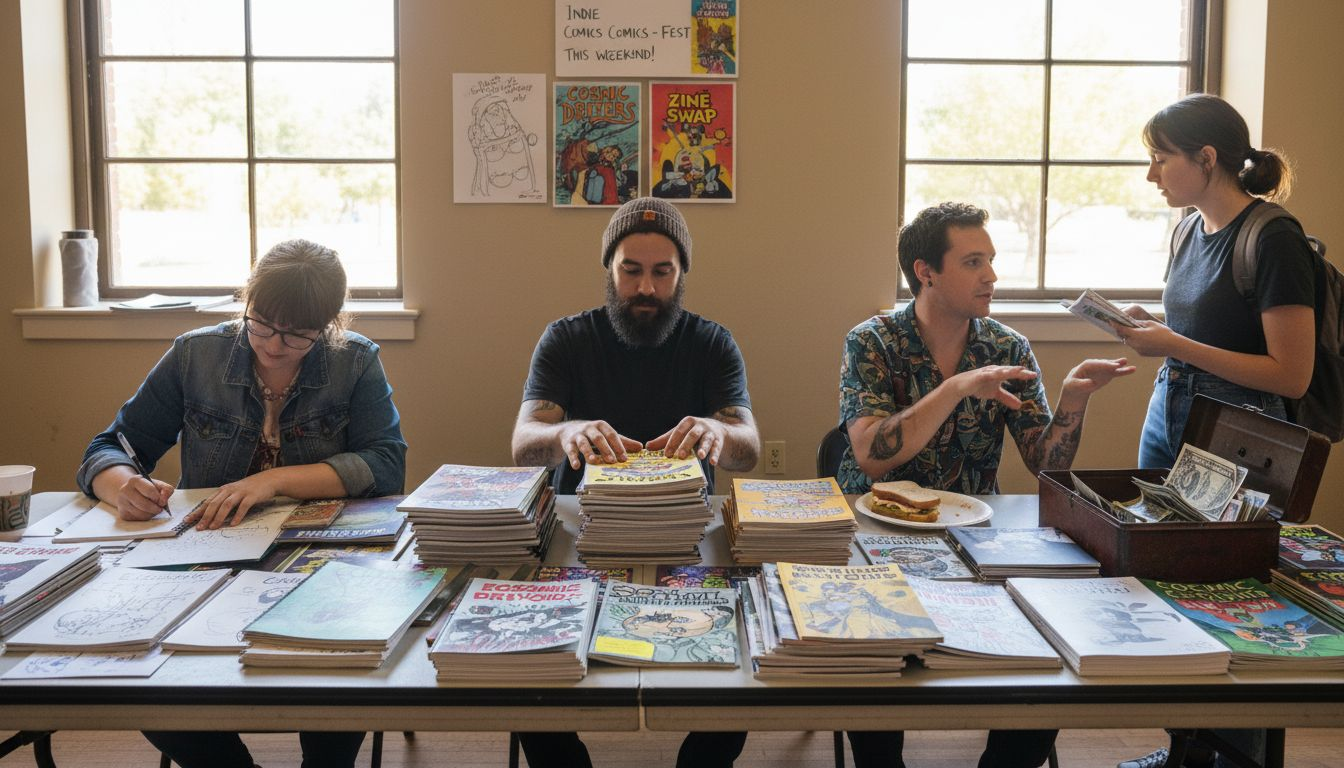
The underground comic scene particularly benefited from fanzine culture, with artists using these publications to circumvent traditional publishing gatekeepers. Creators like Robert Crumb and Art Spiegelman first gained recognition through these independent channels, using fanzines to showcase provocative artwork that commercial publishers would typically reject. Punk, science fiction, and alternative comic communities embraced fanzines as essential tools for cultural critique, personal storytelling, and collective identity formation, transforming them into powerful mediums of artistic and social communication.
Beyond pure artistic expression, fanzines serve critical archival and community-building functions. They document emerging artistic movements, preserve marginalized narratives, and create networks of like-minded creators and enthusiasts. The DIY aesthetic of fanzines challenges traditional art world hierarchies, democratizing creative expression by removing financial and institutional barriers. Whether featuring hand-drawn illustrations, experimental typography, or unconventional narrative structures, these publications represent a pure, unmediated form of artistic communication that celebrates individual creativity over commercial considerations.
Pro tip: Attend local zine festivals and independent comic conventions to connect directly with fanzine creators and immerse yourself in the vibrant independent art community.
Collecting Fanzines: Value, Risks, and Tips
Fanzine collecting represents a nuanced pursuit that transcends traditional monetary valuation, focusing instead on cultural significance and historical preservation. Music fanzine collecting explores complex motivations beyond financial gain, emphasizing the nostalgic and subcultural importance of these unique publications. Collectors view fanzines as artifacts that capture underground movements, representing far more than simple paper documents.
The primary risks in fanzine collecting involve preservation, authentication, and understanding market dynamics. Original fanzines are often fragile, produced using ephemeral materials like photocopied paper, newsprint, and hand-assembled techniques. Collectors must invest in archival storage methods, including acid-free protective sleeves, controlled temperature environments, and careful handling techniques. Some rare fanzines from specific music scenes or limited print runs can command significant prices, particularly those documenting important cultural moments or featuring work by now-famous artists.
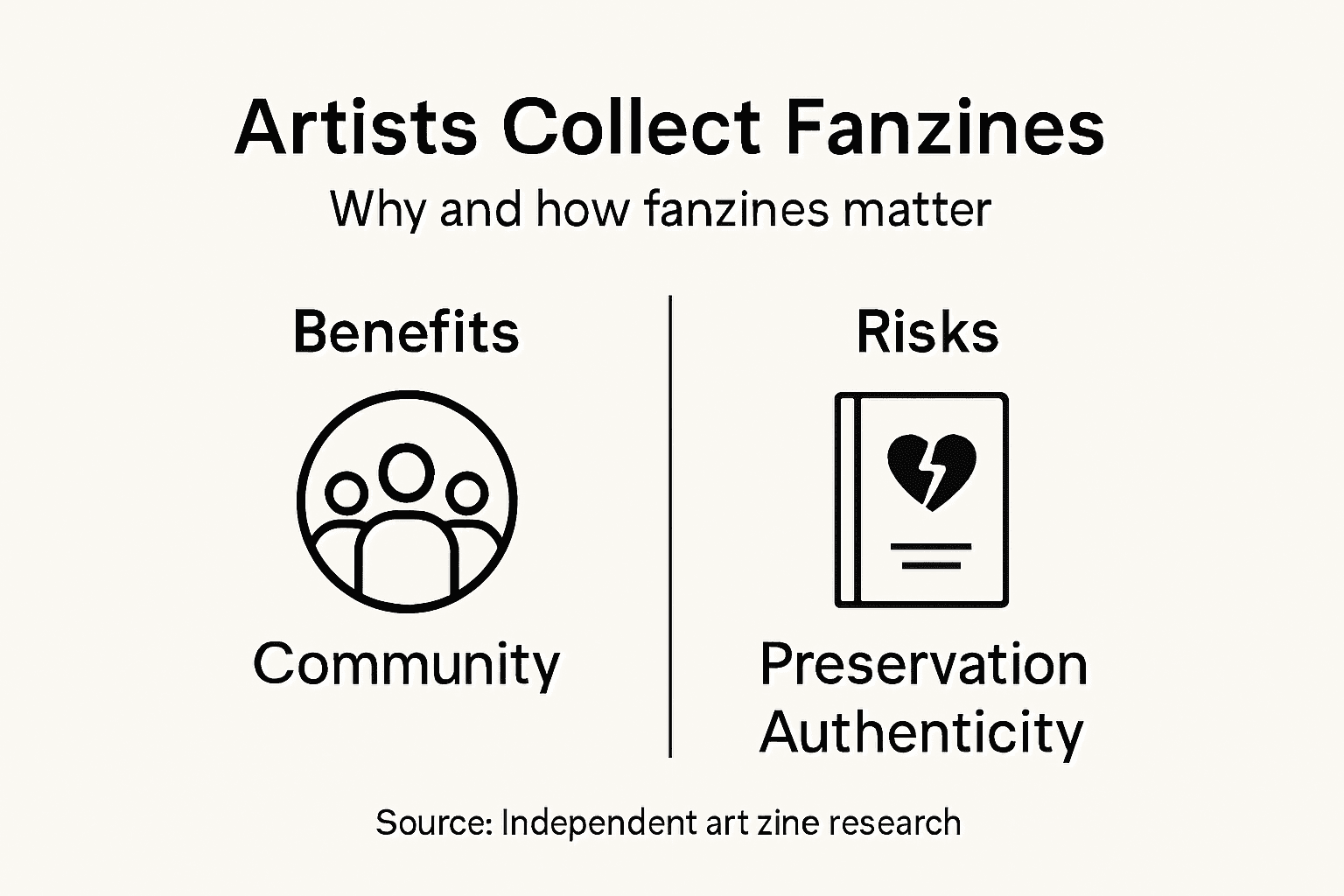
Successful fanzine collecting requires developing a comprehensive approach that balances passion with strategic acquisition. Serious collectors recommend specializing in specific genres, time periods, or subcultures to build meaningful collections. Networking with other collectors, attending independent art fairs, and exploring specialized archives can uncover unique specimens. Digital archives and online marketplaces have expanded collecting opportunities, but seasoned collectors emphasize the importance of examining physical artifacts to assess condition and authenticity.
Pro tip: Build relationships with independent bookstore owners and archivists who can provide insider information about rare fanzine finds and upcoming collections.
Discover Unique Fanzines and Art Collectibles at The Mansion Press
Fanzines capture the spirit of independent creativity and authentic storytelling that mainstream media often misses. If you are fascinated by the personal, political, or artistic expression found in fanzines, you understand the challenge of finding rare and meaningful pieces. Collecting these handcrafted publications can feel overwhelming due to their limited availability and fragile nature. The Mansion Press bridges this gap by offering an exclusive selection of limited-edition artbooks, comics, and collector’s items that echo the vibrant energy of fanzine culture.
Explore a curated collection that celebrates independent artists and comic creators from around the world. Whether you want to expand your fanzine collection or discover new artists who embody the DIY ethos, The Mansion Press is your gateway to original works and collectible editions. Visit The Mansion Press now to connect directly with creators and secure unique art pieces that embody the rebellious and personal spirit of fanzines. Start building your collection today and experience the power of independent art like never before.
Frequently Asked Questions
What is a fanzine?
Fanzines are self-produced magazines that emerged from subcultures, allowing passionate individuals to share personal expressions and challenge mainstream media narratives.
How do artists create fanzines?
Artists create fanzines using various DIY methods such as writing, illustration, and mixed media. They often use printing techniques like photocopying or risograph printing to produce their publications.
What are the main types of fanzines?
The main types of fanzines include personal zines (perzines), music zines, political zines, science fiction zines, and art zines, each serving unique communication purposes within subcultures.
Why do artists collect fanzines?
Artists collect fanzines as cultural artifacts that capture underground movements, preserving marginalized narratives and providing insights into creative expression and community-building within independent art and comic cultures.
Recommended
- Understanding Comics Zines Culture: The Art of Self-Publishing – The Mansion Press
- 7 Essential Favorite Cult Comic Anthologies for Collectors – The Mansion Press
- Top Comics for Art Collectors – Expert Comparison 2025 – The Mansion Press
- Understanding Why Collect Underground Comics Matters – The Mansion Press