Complete Guide to Multimedia Techniques in Comics
Over 80 percent of american comic fans say new storytelling techniques have changed how they experience graphic novels. Comics are no longer limited to simple images and text—today’s artists blend visuals, sound, photography, and even interactive elements to create stories that feel alive. Whether you are an artist or an avid reader, understanding these multimedia methods opens up a new dimension of creativity and appreciation for the ever-evolving world of comics.
Table of Contents
- Defining Multimedia Techniques In Comics
- Traditional Versus Digital Comic Methods
- Incorporating Photography And Collage
- Mixed Media: Paint, Textures, And Sound
- Best Practices For Collectors And Creators
Key Takeaways
| Point | Details |
|---|---|
| Multimedia Techniques Enhance Storytelling | Integration of visual, textual, and spatial elements transforms comics into immersive narratives that engage multiple senses. |
| Traditional vs Digital Methods | Both traditional and digital comic creation methods each offer unique advantages, with many artists blending both to enhance their storytelling. |
| Photography and Collage Expand Possibilities | The use of photography and collage enriches comics, allowing for complex visual narratives and innovative aesthetics. |
| Collaboration and Accessibility in Comic Creation | Digital platforms enable creators to connect directly with audiences, fostering community engagement and democratizing the creative process. |
Defining Multimedia Techniques in Comics
Multimedia techniques in comics represent a dynamic approach to storytelling that transcends traditional narrative boundaries. Sequential art, as defined by comics artist Will Eisner, involves deploying images in a specific order to convey complex visual narratives. These techniques blend visual, textual, and spatial elements to create immersive storytelling experiences that engage readers through multiple sensory channels.
At the core of multimedia comic techniques is the strategic integration of diverse artistic elements. Artists utilize innovative methods like layered imagery, nonlinear storytelling, and cross-modal representations to break conventional narrative structures. The hierarchical knowledge graph framework reveals how comics can decompose narrative content across macro and micro levels, capturing semantic, spatial, and temporal relationships within a single visual medium.
These advanced techniques transform comics from simple sequential illustrations into complex communication systems. Modern multimedia approaches might incorporate:
- Digital animation overlays
- Interactive panel transitions
- Augmented reality elements
- Sound-synchronized visual narratives
- Dynamically responsive page layouts
By embracing these innovative strategies, comic artists push the boundaries of traditional graphic storytelling, creating immersive experiences that challenge readers’ perceptions and expand the potential of visual narrative art.
Traditional versus Digital Comic Methods
The evolution of comic creation has sparked an ongoing dialogue between traditional and digital artistic methods. Cartooning tools reveal a fascinating spectrum of creative possibilities, ranging from classic analog techniques to cutting-edge digital platforms. Traditional methods rely on physical tools like sketchbooks, graphite pencils, inking pens, and various coloring media, each offering a tactile and intimate creative experience.
Digital platforms have revolutionized comic creation, providing artists with unprecedented flexibility and technological capabilities. Advanced drawing tablets, sophisticated digital art software, and interactive design tools enable creators to manipulate images with precision and experiment with complex visual narratives. Reader preferences demonstrate a fascinating balance, with digital and traditional formats scoring nearly identically in terms of audience engagement and satisfaction.
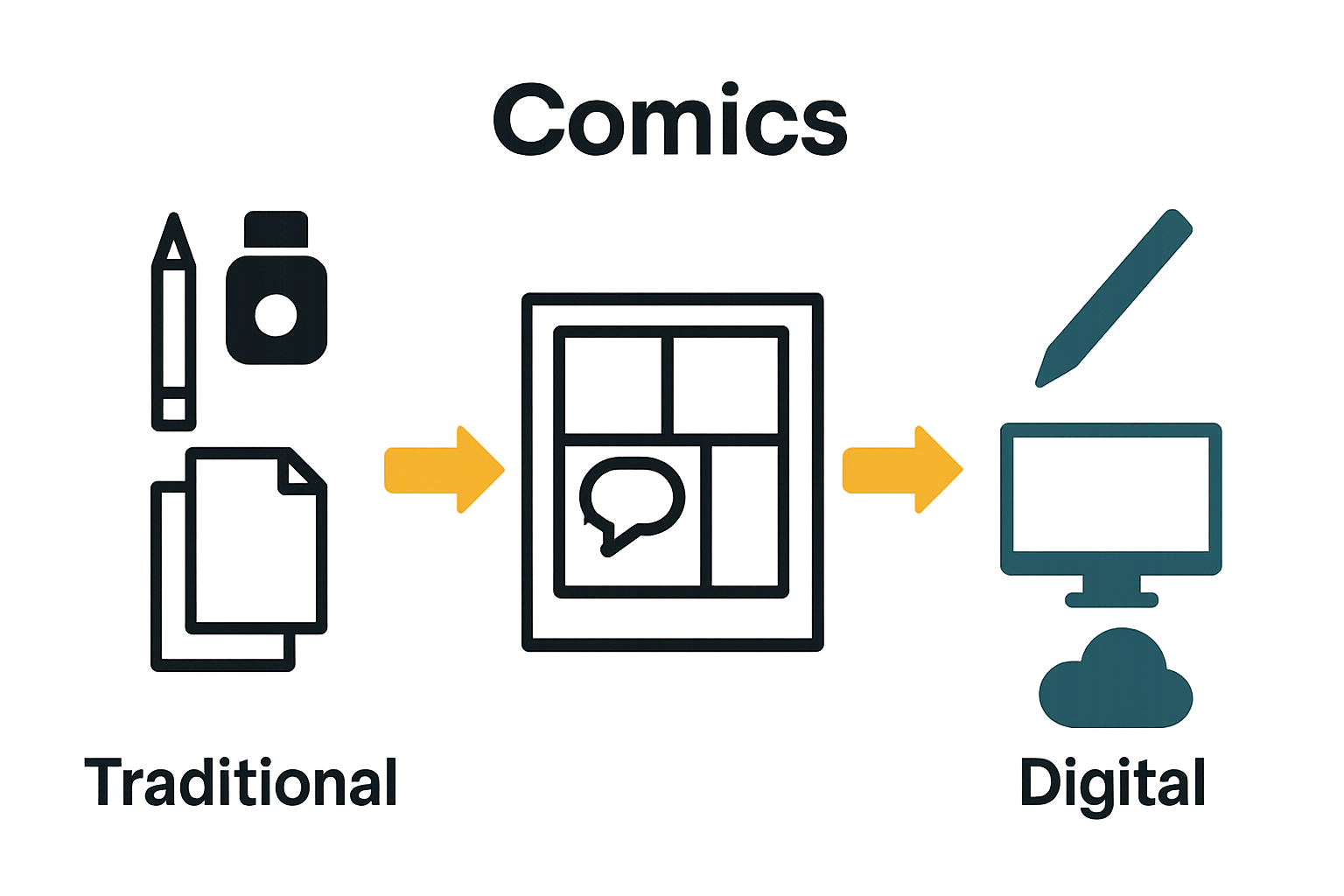
Each approach offers unique advantages for comic artists:
Traditional Methods:
- Tangible creative process
- Direct hand-to-paper interaction
- Authentic textural qualities
- Lower initial technology investment
- Physical archival preservation
Digital Methods:
- Unlimited editing capabilities
- Easy layer management
- Complex effect integration
- Instant color manipulation
- Global collaboration potential
Ultimately, the choice between traditional and digital comic methods depends on an artist’s personal style, technological comfort, and creative vision. Many contemporary artists seamlessly blend both approaches, creating hybrid techniques that leverage the strengths of analog and digital tools.
Incorporating Photography and Collage
Multimedia comic techniques have dramatically expanded with the integration of photography and collage, creating rich narrative landscapes that transcend traditional graphic storytelling. Hybrid novel approaches demonstrate how artists can seamlessly merge multiple artistic mediums, combining drawing, photo-montage, painting, and computer-generated imagery into compelling visual narratives.
Photography and collage offer comic artists unprecedented opportunities for visual experimentation. By incorporating real-world photographic elements, creators can introduce layers of authenticity and complexity to their storytelling. Some innovative techniques include photo-realistic backgrounds, photographic character composites, and mixed-media panels that blend hand-drawn illustrations with photographic fragments. These methods allow artists to challenge traditional comic book aesthetics and create more immersive narrative experiences.
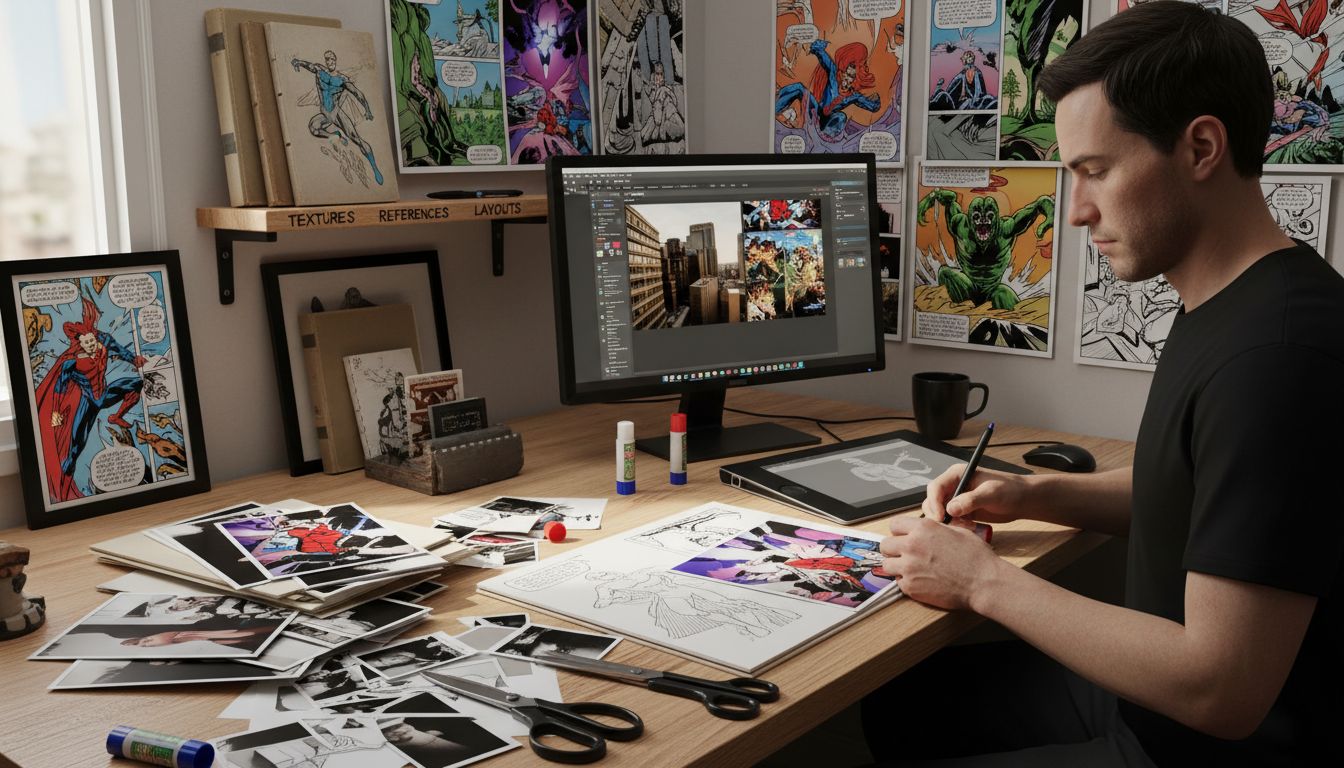
Key strategies for integrating photography and collage in comics include:
Photographic Techniques:
- Digital photo manipulation
- Texture overlay methods
- Surreal image compositing
- Layered photographic narratives
- Mixed perspective integration
Collage Approaches:
- Mixed media panel construction
- Textural element incorporation
- Narrative fragmentation
- Emotional depth through juxtaposition
- Symbolic visual metaphors
The metacomic tradition further demonstrates how artists can push boundaries, using innovative techniques that challenge readers’ perceptions of storytelling and visual representation. By breaking traditional narrative structures, photographers and comic artists continue to redefine the potential of graphic storytelling.
Mixed Media: Paint, Textures, and Sound
Multimedia comic creation transcends traditional visual storytelling by integrating diverse artistic elements that engage multiple sensory experiences. Multimodal communication approaches demonstrate how artists can combine text, images, audio, and visual techniques to create rich, immersive narrative experiences that challenge conventional comic book formats.
Paint, textures, and sound represent powerful tools for expanding comic storytelling beyond static visual representations. Artists can leverage watercolor washes, acrylic techniques, and mixed media overlays to create depth and emotional resonance within their panels. Textural elements like fabric impressions, paper collage, and dimensional brushwork introduce tactile qualities that invite readers to experience the narrative through multiple perceptual channels.
Key mixed media techniques for comic artists include:
Painting Approaches:
- Watercolor background layers
- Acrylic texture integration
- Expressive brushstroke narratives
- Color mood manipulation
- Atmospheric perspective techniques
Textural and Sound Techniques:
- Dimensional paper layering
- Tactile surface treatments
- Sonic visualization methods
- Textural emotional mapping
- Multisensory panel design
By embracing these innovative multimedia strategies, comic artists transform traditional storytelling into dynamic, immersive experiences that engage readers through complex sensory interactions. The boundaries between visual art, narrative, and sensory perception continue to dissolve, creating exciting new possibilities for graphic storytelling.
Best Practices for Collectors and Creators
Digital comics represent a dynamic cultural landscape where creators and collectors collaborate to preserve and evolve artistic expression. These multimedia narratives go beyond traditional publishing models, enabling direct interaction between artists and audiences through innovative platforms that democratize creative production.
Webcomic distribution channels have revolutionized how artists share their work, eliminating traditional publishing barriers and creating global connectivity. Creators now have unprecedented opportunities to reach audiences directly, while collectors can access diverse artistic expressions that were previously difficult to discover.
Key best practices for collectors and creators include:
For Comic Creators:
- Develop unique storytelling voice
- Experiment with multimedia techniques
- Build engaged online community
- Protect intellectual property
- Diversify distribution platforms
For Comic Collectors:
- Research artist backgrounds
- Verify artwork authenticity
- Understand preservation techniques
- Network with collector communities
- Document collection provenance
Successful comic creators and collectors understand that the medium is a living, evolving art form. By embracing technological innovations, respecting artistic integrity, and maintaining open communication, they contribute to a vibrant, dynamic creative ecosystem that continually pushes artistic boundaries.
Elevate Your Comic Creations with Exclusive Multimedia Art Products
The challenge of mastering multimedia techniques in comics requires access to unique resources and inspiration. Whether you are blending traditional and digital methods or incorporating photography and mixed media, finding exclusive artbooks, collector’s editions, and original artworks can fuel your creative vision. These curated materials provide deeper insights into storytelling innovations and help you push the boundaries of your craft.
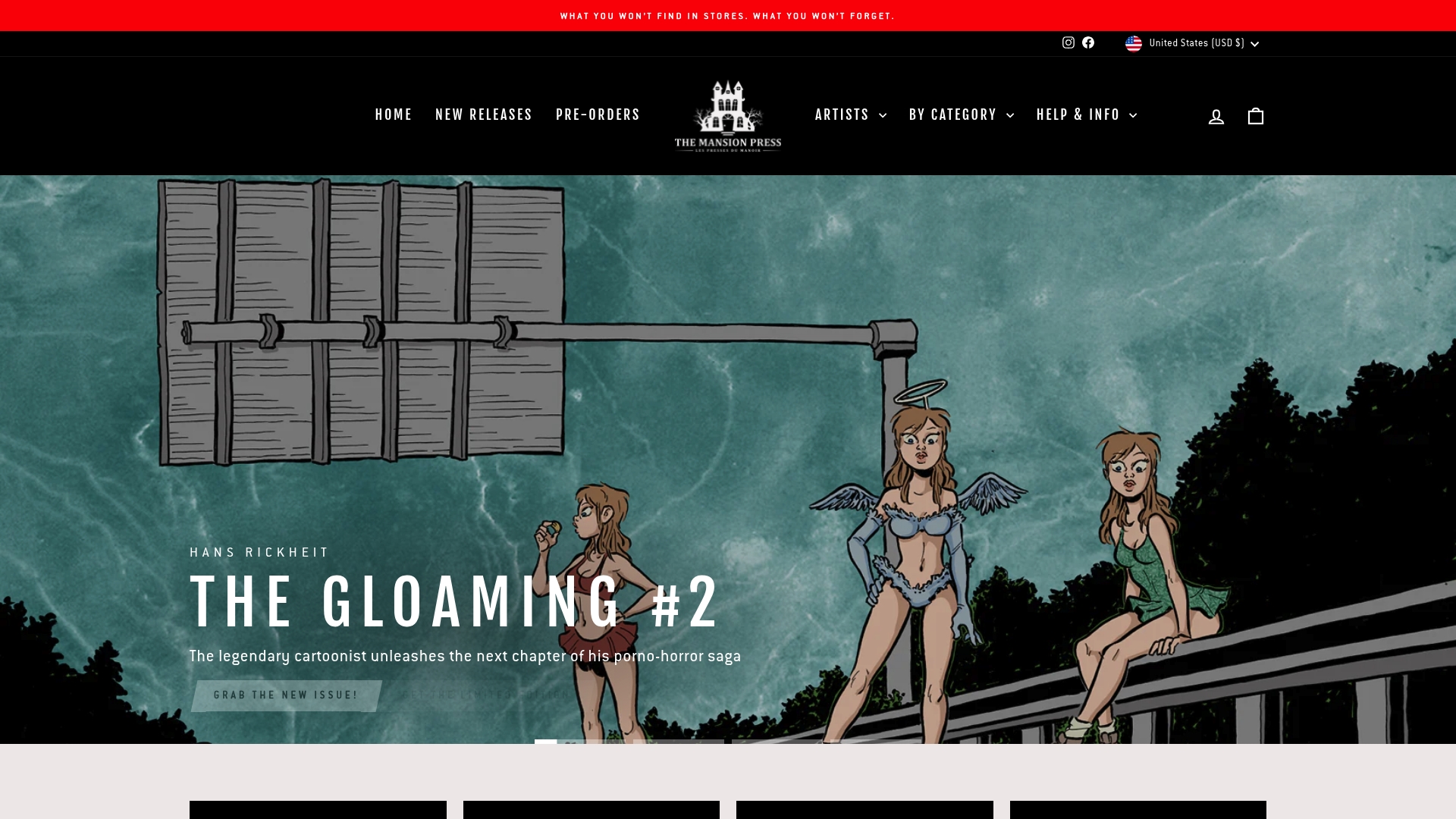
Explore an exclusive selection of art-centered products at The Mansion Press designed to ignite your creativity with multimedia comics. Discover rare collectibles and limited-edition comics that showcase the integration of painting, sound, and digital effects. Act now to pre-order upcoming releases and join a passionate community of artists and collectors. Start expanding your multimedia storytelling tools today by visiting The Mansion Press.
Frequently Asked Questions
What are multimedia techniques in comics?
Multimedia techniques in comics refer to the integration of various artistic elements, such as images, text, and sound, to enhance storytelling and create immersive experiences for readers.
How do traditional and digital comic methods differ?
Traditional comic methods involve physical tools like pencils and inks, providing a tactile experience, while digital methods utilize technology, offering flexibility for editing and complex visual narratives.
What role do photography and collage play in modern comics?
Photography and collage allow comic artists to blend real-world images with illustrations, enriching narratives and creating layers of authenticity and complexity in visual storytelling.
How can creators benefit from mixed media techniques in comics?
Mixed media techniques enable artists to incorporate elements like paint, textures, and sound, enhancing emotional depth and engaging readers through multiple sensory channels.