

Modern Surreal Comics: Complete Guide for Collectors
Most american comic fans are surprised to learn that over 60 percent of new releases in the surreal comics genre refuse to follow standard storytelling rules. This surprising trend matters because it challenges both readers and collectors to rethink what comics can achieve in terms of art and narrative. If you are curious about the evolution of modern surreal comics, you will discover how experimental styles, bold artists, and technological advances are reshaping this genre in unexpected ways.
Table of Contents
- Defining Modern Surreal Comics Today
- Major Styles And Influences In Surreal Comics
- Notable Artists And Pioneering Works
- Collecting Modern Surreal Comics Effectively
- Where To Discover Rare And Limited Editions
Key Takeaways
| Point | Details |
|---|---|
| Modern Surreal Comics Redefine Storytelling | These comics utilize non-linear narratives and psychological symbolism, transforming traditional storytelling into immersive artistic experiences. |
| Influences and Styles | Surreal comics draw from various movements and artistic techniques, emphasizing psychological themes and dream logic in their narratives. |
| Strategic Collecting | Effective collection strategies involve understanding rarity, condition, and artist provenance to build a cohesive and meaningful collection. |
| Discovering Rare Editions | Collectors should utilize specialized conventions, online platforms, and independent bookstores to find unique and limited edition surreal comics. |
Defining Modern Surreal Comics Today
Modern surreal comics represent a dynamic artistic movement that transcends traditional narrative boundaries, challenging readers to experience visual storytelling through unconventional perspectives and dreamlike imagery. Unlike traditional comics, these works deliberately disrupt linear storytelling, creating immersive experiences that blur the lines between reality and imagination.
According to research from arxiv.org, contemporary surreal comics are distinguished by complex multi-modal narrative techniques that explore innovative visual presentations. Researchers highlight how these comics manipulate panel layouts, sizes, shapes, and color schemes to create unique visual experiences that challenge traditional comic storytelling conventions. The visual language of modern surreal comics becomes a playground for artistic experimentation, where each panel can represent multiple psychological or emotional states simultaneously.
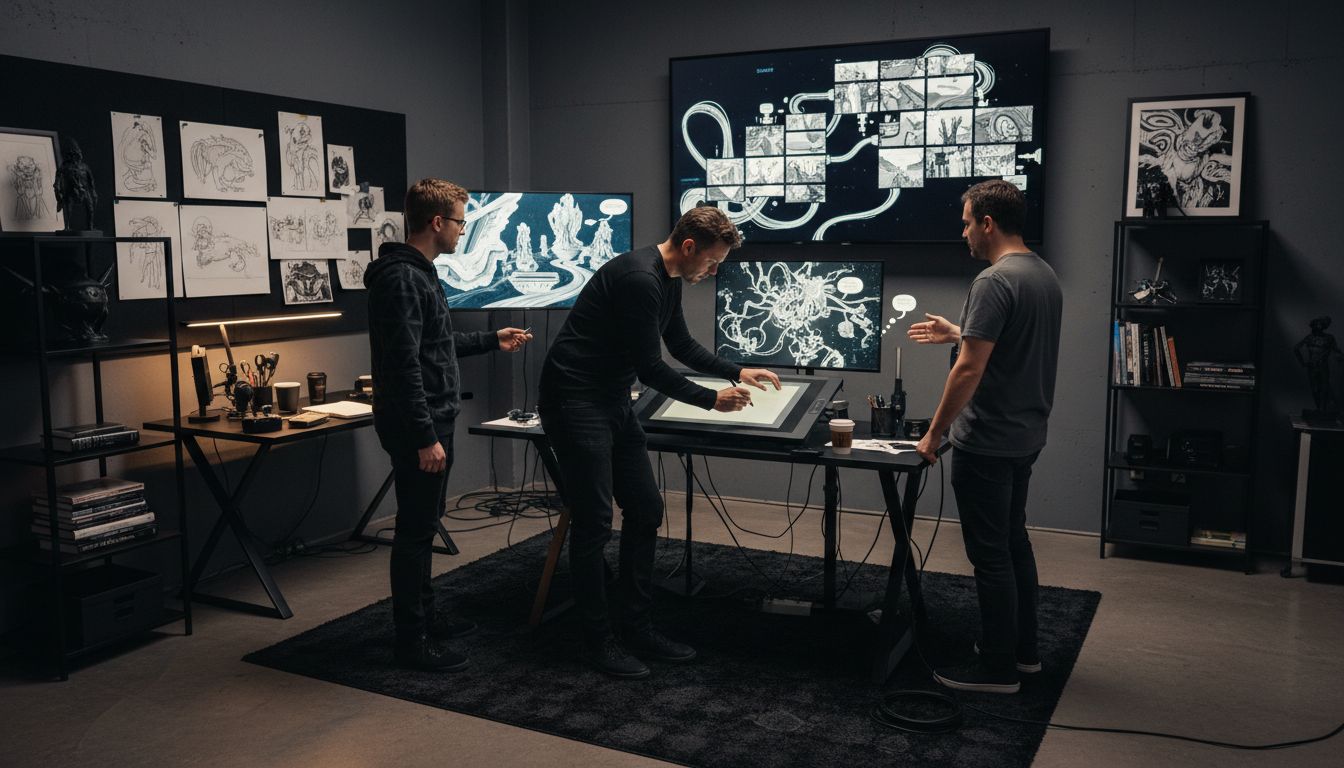
The artistic approach in modern surreal comics often incorporates several distinctive characteristics:
- Non-Linear Narrative Structures: Rejecting chronological storytelling in favor of fragmented, dream-like sequences
- Psychological Symbolism: Using visual metaphors to represent complex emotional landscapes
- Experimental Panel Design: Creating unconventional panel arrangements that challenge reader expectations
Research from arxiv.org further illuminates this artistic approach, describing surreal comics as a form of sequential visual storytelling that emerges through deliberate, layered decision-making processes. Artists strategically construct narrative elements that invite multiple interpretations, transforming comics from mere sequential art into complex psychological explorations.
By embracing uncertainty and challenging visual storytelling norms, modern surreal comics invite collectors and enthusiasts to engage with art that exists beyond traditional representational boundaries. Understanding Surrealism in Graphic Novels: A Deep Dive provides additional insights into this fascinating artistic movement for those eager to explore deeper.
Major Styles and Influences in Surreal Comics
Surreal comics emerged as a radical artistic movement, drawing inspiration from multiple avant-garde traditions that challenge conventional narrative and visual representation. These comics represent a complex intersection of artistic movements, psychological exploration, and visual innovation that transcends traditional storytelling boundaries.
According to research from thedali.org, the influence of Salvador Dalí profoundly shaped modern comic art, particularly through artists like Jim Steranko who incorporated surreal, psychedelic overtones and Dalínian symbolism into their comic designs. This integration transformed comics from mere sequential storytelling into complex psychological landscapes where visual metaphors and dreamlike imagery could convey intricate emotional states.
The major styles in surreal comics can be categorized into several distinctive approaches:
- Psychological Surrealism: Emphasizing inner mental landscapes and subconscious imagery
- Symbolic Deconstruction: Breaking down traditional narrative structures
- Dream Logic Narratives: Creating storylines that follow the non-linear logic of dreams
- Meta-Textual Exploration: Challenging the boundaries between reality and fiction
Contemporary surreal comic artists draw from diverse influences, including:
- Dadaist and Surrealist art movements
- Jungian psychological theories
- Experimental cinema and avant-garde film techniques
- Postmodern literary deconstruction
For collectors and enthusiasts seeking deeper insights, Surreal Comics Explained: Techniques, Themes, Impact offers a comprehensive exploration of these intricate artistic strategies. The genre continues to evolve, pushing the boundaries of visual storytelling and challenging readers to engage with comics as complex, multilayered artistic expressions.
Notable Artists and Pioneering Works
Surreal comics represent a unique artistic terrain where creators push the boundaries of visual storytelling, transforming traditional narrative structures into complex, multilayered experiences that challenge reader perceptions and expectations.
According to research from en.wikipedia.org, artists like Tsukumizu have emerged as pivotal figures in the surreal comic landscape. Their work, including titles like ‘Girls’ Last Tour’ and ‘Shimeji Simulation’, demonstrates a profound artistic approach influenced by masters such as Tsutomu Nihei and Paul Klee, creating heartwarming yet deeply surreal visual narratives that blur the lines between reality and imagination.
Several groundbreaking artists have defined the surreal comics genre:
- Yoshiharu Tsuge: A seminal figure whose work challenges conventional narrative structures
- Jim Steranko: Known for psychedelic and surrealist comic design techniques
- David Mack: Blending abstract painting with comic storytelling
- Dave McKean: Creating visually complex, dreamlike comic narratives
Research from en.wikipedia.org highlights another significant work, ‘Nejishiki’, a manga by Yoshiharu Tsuge that epitomizes surreal comic artistry. This work represents an existential exploration that deliberately eschews linear narrative, instead presenting a cosmic horror experience through dream-like imagery and unconventional storytelling techniques.
Collectors interested in diving deeper into underground comic creators will find 7 Must-Know Iconic Underground Comic Creators for Collectors an invaluable resource for understanding the rich tapestry of surreal comic art. These pioneering artists continue to challenge our understanding of visual storytelling, transforming comics from simple sequential art into profound psychological and philosophical experiences.
Collecting Modern Surreal Comics Effectively
Building a meaningful collection of modern surreal comics requires more than casual purchasing strategies. Serious collectors must develop a nuanced approach that combines artistic appreciation, market understanding, and deep contextual knowledge of the genre’s unique characteristics.
Research from arxiv.org highlights emerging technological approaches to comics collection, demonstrating how advanced multitask learning models are transforming our understanding of comic publication and narrative structures. This technological insight suggests that modern collectors should not just acquire comics, but understand their complex narrative and artistic configurations.
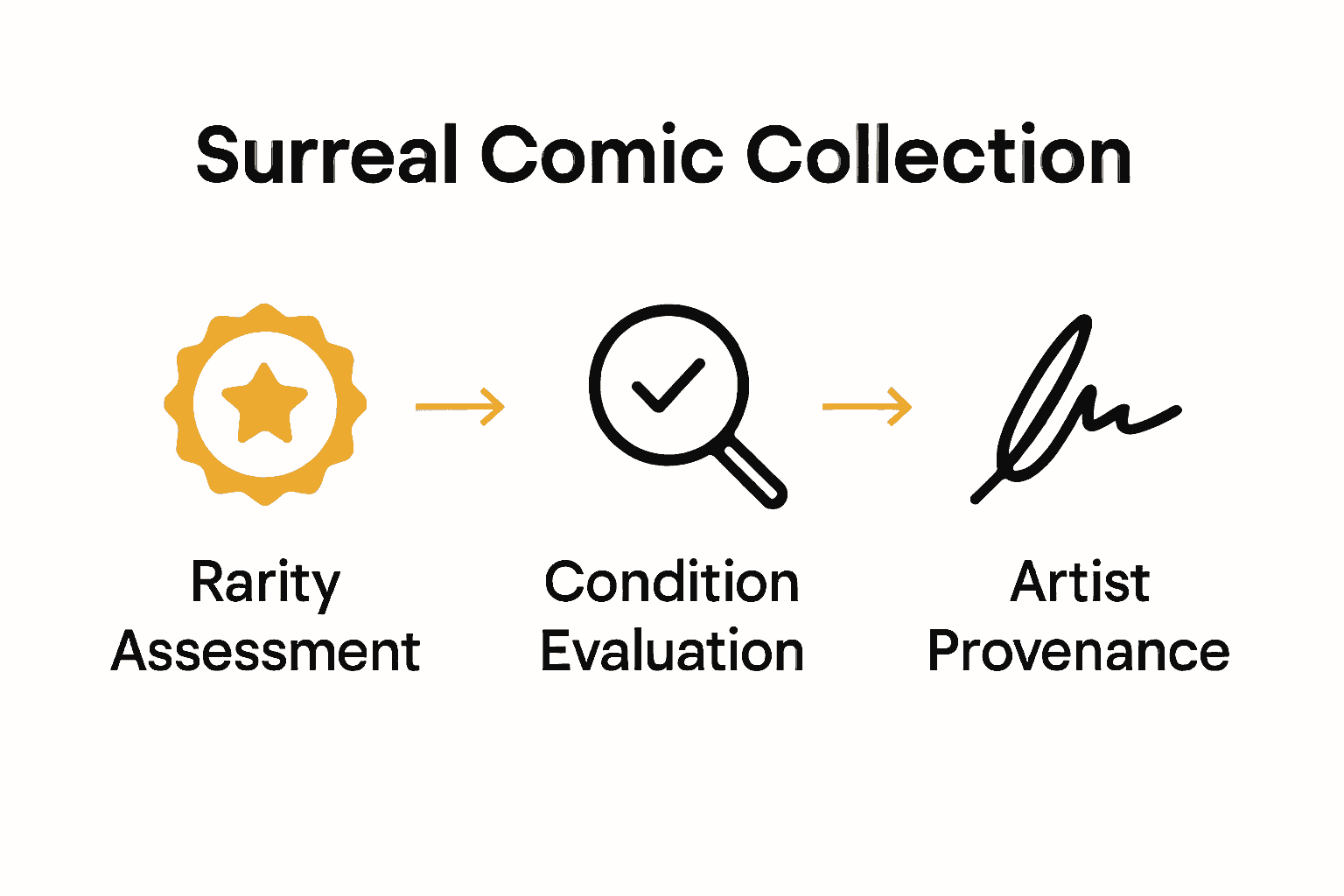
Key strategies for effective surreal comic collection include:
- Rarity Assessment: Identifying limited edition and first print runs
- Condition Evaluation: Understanding preservation techniques
- Artist Provenance: Tracking works by significant surrealist comic creators
- Thematic Coherence: Building collections with specific narrative or artistic themes
According to research from arxiv.org, technological advancements are also expanding comic accessibility, which indirectly benefits collectors by creating more comprehensive documentation and archival resources. Collectors can leverage these emerging technologies to better understand and authenticate their acquisitions.
For collectors looking to expand their knowledge and discover unique additions to their collections, How to Find Obscure Comics: A Complete Step-by-Step Guide provides invaluable insights into discovering rare and extraordinary surreal comic works. Successful collecting is an art form that combines passionate research, keen aesthetic judgment, and a deep appreciation for the genre’s innovative storytelling potential.
Where to Discover Rare and Limited Editions
Discovering rare and limited edition surreal comics requires a strategic approach that combines passionate research, network building, and understanding the unique ecosystem of comic collecting. Serious collectors must go beyond traditional retail channels to uncover truly exceptional works that represent the genre’s most innovative expressions.
Research from en.wikipedia.org provides insight into the significance of unique comic works, such as Art Spiegelman’s Maus, which demonstrates how groundbreaking graphic novels can transcend traditional distribution channels and become widely available through diverse platforms like bookstores and libraries. This example illustrates the potential for exceptional works to gain recognition across multiple acquisition channels.
Key strategies for discovering rare surreal comics include:
- Specialized Comic Conventions: Attend events focused on independent and avant-garde comics
- Online Marketplaces: Explore platforms dedicated to rare comic transactions
- Independent Bookstores: Cultivate relationships with niche comic retailers
- Artist Direct Channels: Follow creators’ personal websites and social media
- International Comic Festivals: Explore global events showcasing experimental comic art
According to research from en.wikipedia.org, digital platforms like webcomics demonstrate the evolving landscape of comic distribution. For instance, ‘Questionable Content’ has been published online since 2003, highlighting how digital platforms can provide alternative routes for discovering unique comic works.
Collectors seeking deeper insights into the world of limited edition comics will find Exploring the Best Places for Rare Comics Explained an invaluable resource. Successful comic collecting is an art form that demands curiosity, patience, and a willingness to explore unconventional paths in pursuit of extraordinary artistic expressions.
Elevate Your Surreal Comics Collection with Exclusive Finds
Navigating the rich and complex world of modern surreal comics is exciting yet challenging. Collectors often struggle with locating rare editions, understanding artistic influences, and building a collection that reflects deep thematic coherence and innovative storytelling. This guide highlights key concepts like non-linear narratives, psychological symbolism, and experimental panel designs — all crucial for appreciating and collecting surreal comics as profound visual experiences.
Unlock your potential as a discerning collector by exploring a curated selection of limited-edition surreal comics, original artworks, and artbooks only at The Mansion Press. Act now to access exclusive pre-orders and unique pieces that are unavailable through traditional retail channels. Immerse yourself in a world where independent artists connect directly with passionate collectors. Start your journey today and transform your collection into a captivating exploration of modern surreal comic art by visiting The Mansion Press Store. Discover more about the artistic movements that shape these works in our detailed guides such as Understanding Surrealism in Graphic Novels: A Deep Dive and expand your knowledge before making your next exceptional acquisition.
Frequently Asked Questions
What are the main characteristics of modern surreal comics?
Modern surreal comics are defined by non-linear narrative structures, psychological symbolism, and experimental panel designs that challenge conventional storytelling.
How do modern surreal comics differ from traditional comics?
Unlike traditional comics that often follow linear narratives, modern surreal comics utilize fragmented storytelling and dreamlike imagery to create immersive and complex visual experiences.
Who are some notable artists in the modern surreal comic genre?
Notable artists include Yoshiharu Tsuge, Jim Steranko, David Mack, and Dave McKean, each contributing unique artistic visions that push the boundaries of comic storytelling.
What strategies can collectors use to effectively build a collection of surreal comics?
Collectors should assess the rarity of pieces, evaluate their condition, track artist provenance, and aim for thematic coherence in their collections to enhance their overall value and significance.